


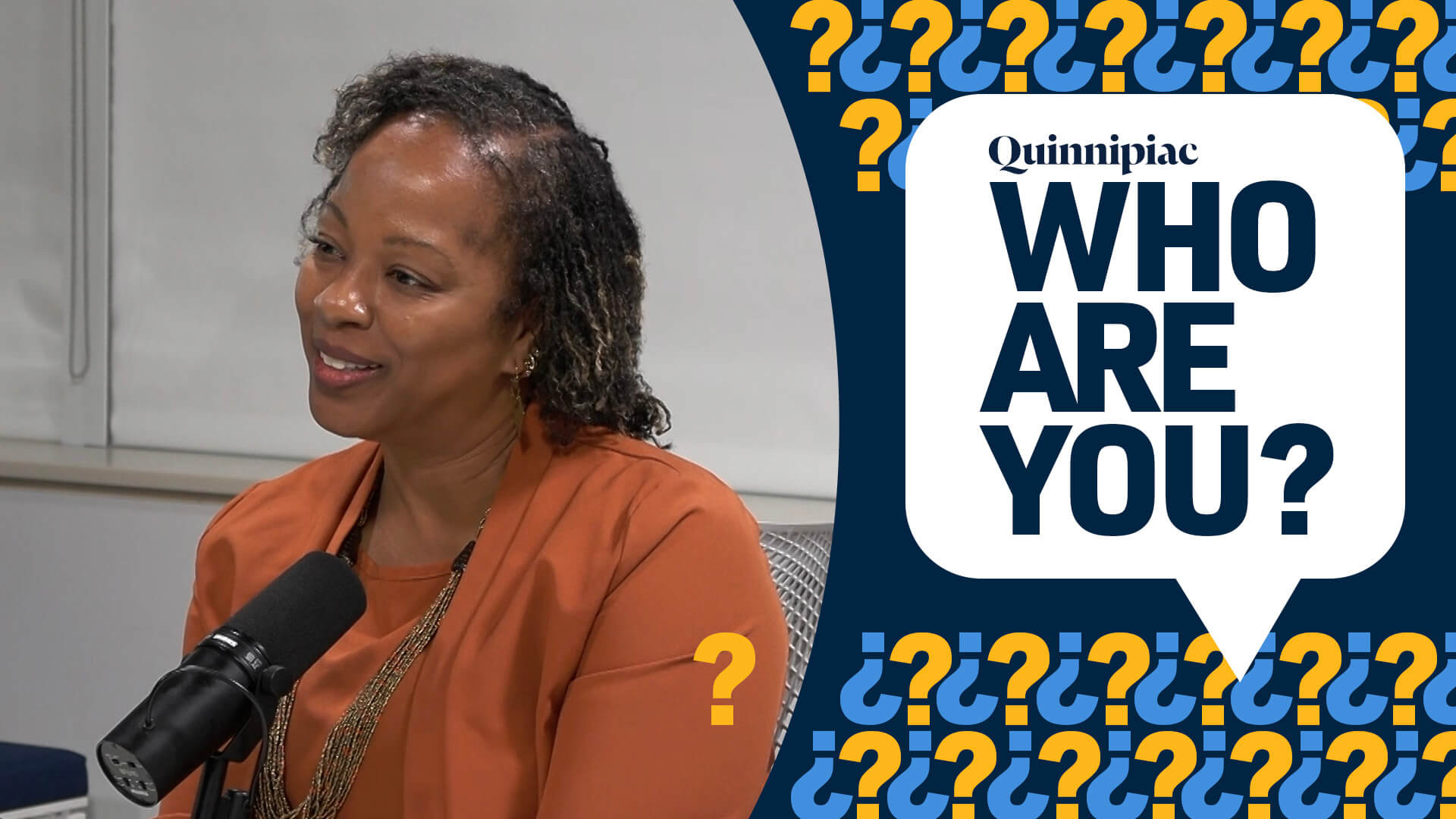
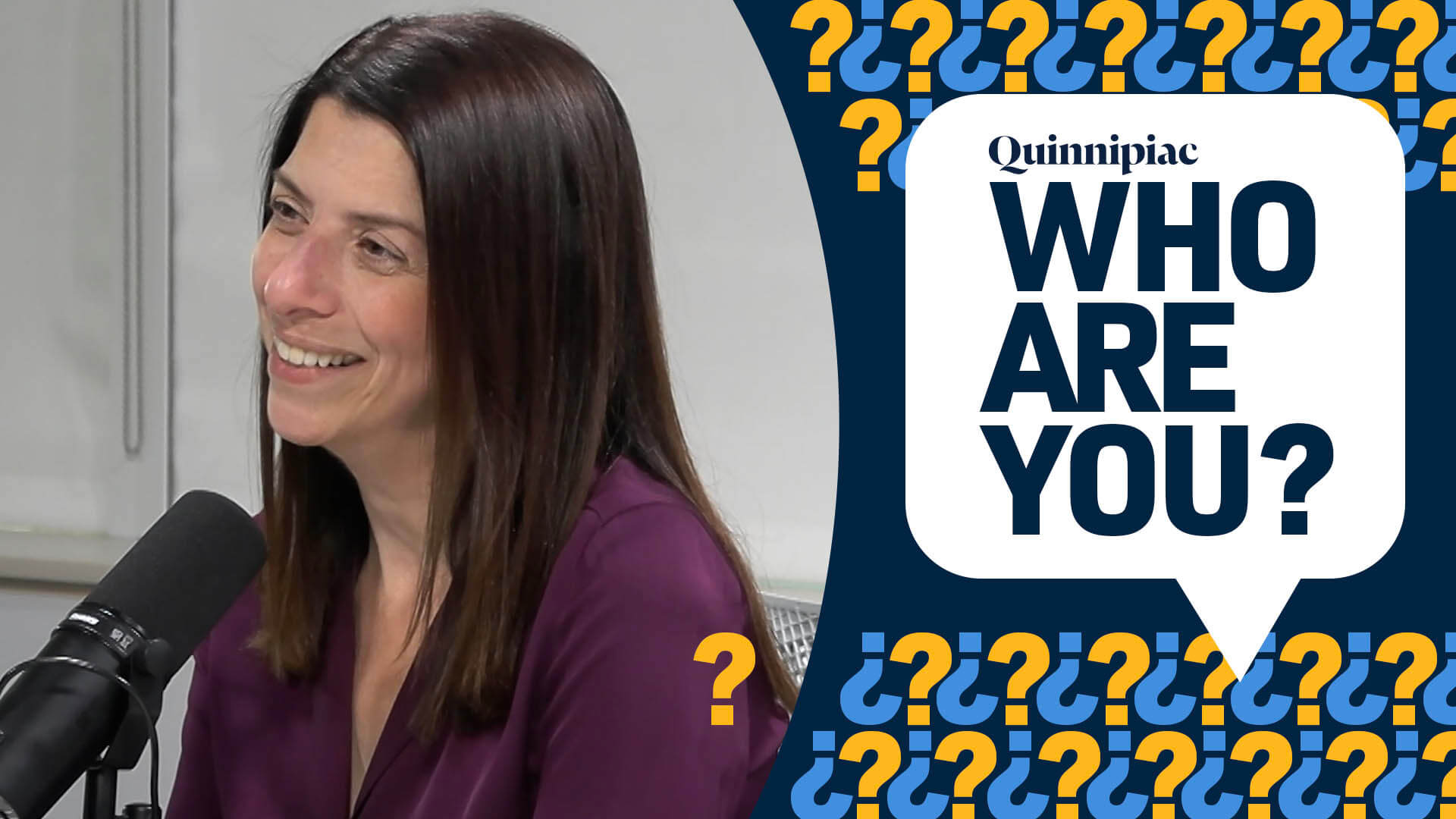
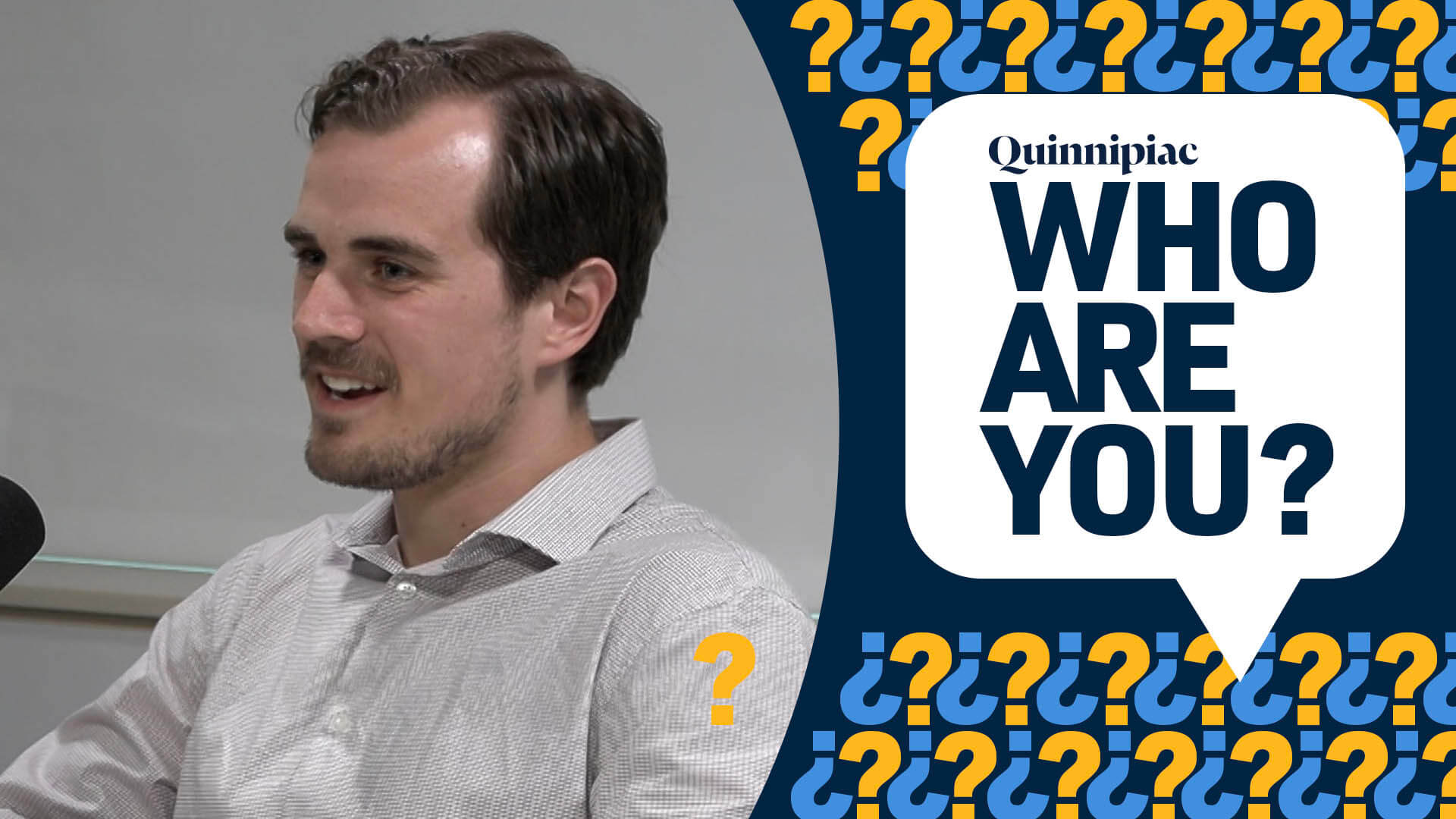
‘Who Are You?’ podcast with guest Rochelle Adjekum ’27
From Ghana to Quinnipiac: Finding Her Path in Biology
From Ghana to Quinnipiac: Finding Her Path in Biology
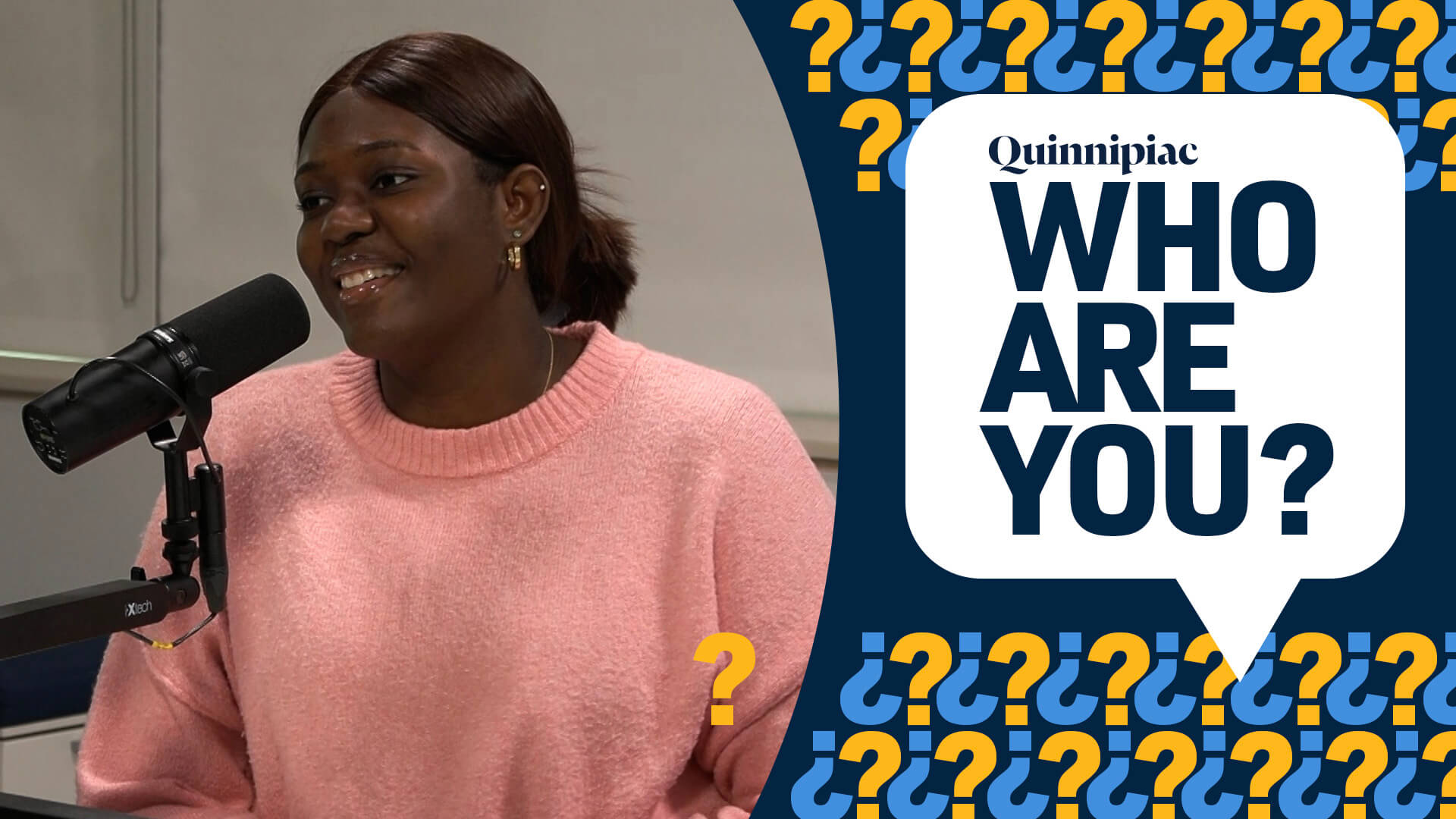
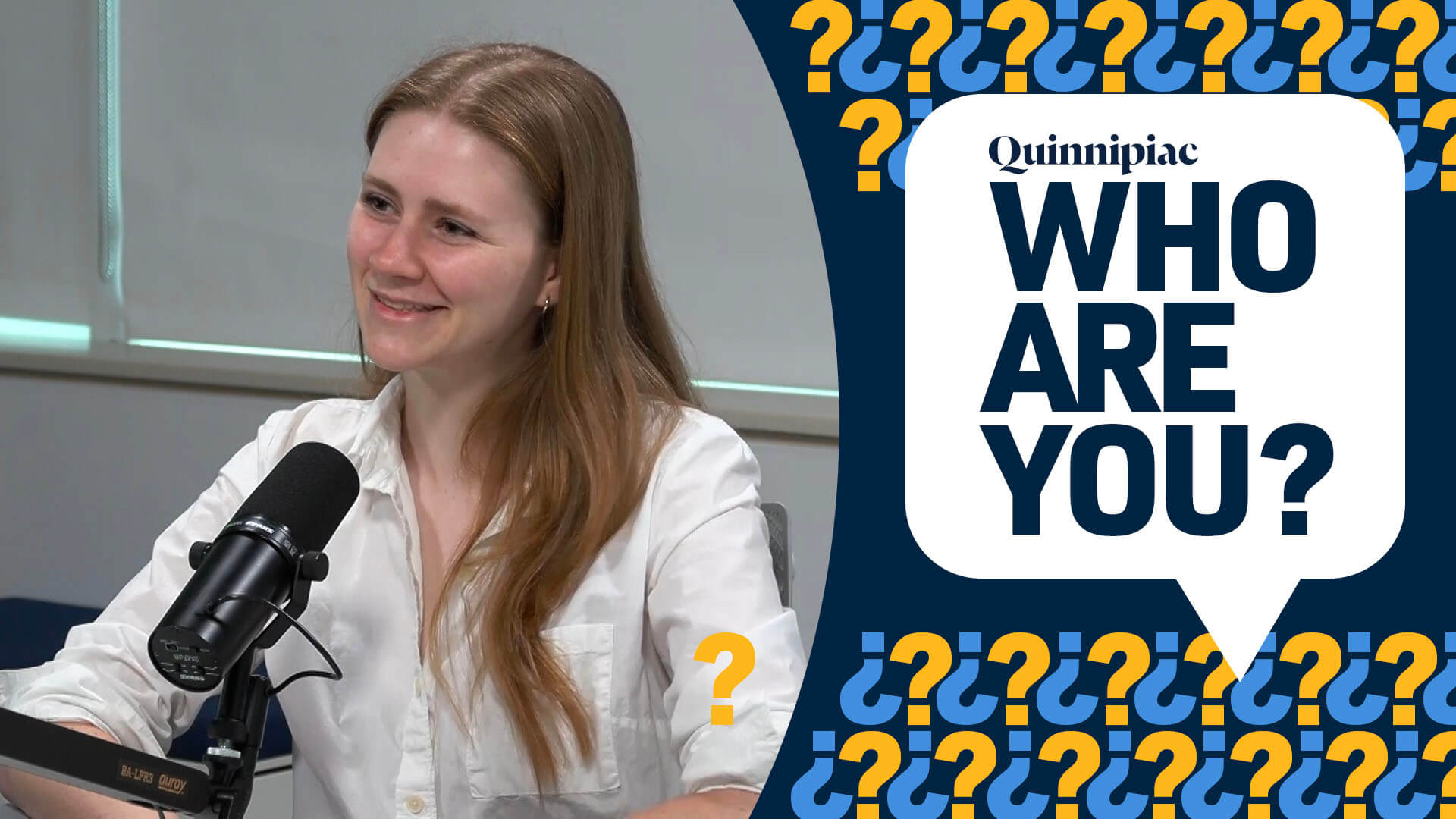
Joel Vanner: Hello, and welcome to ”Who Are You?,” the bobcats you know, the stories you don't. I'm your host, Joel Vanner, inside the Podcast Studio at Quinnipiac University School of Communications, and I'm here today with my guest, Rochelle Adjekum. Rochelle, welcome to the show.
Rochelle Adjekum: Thank you for having me.
Joel Vanner: It's great to have you on the show. Rochelle, I asked my guests the same first question, and it's the name of our show. To get started, tell us, who are you?
Rochelle Adjekum: So I'm Rochelle. I'm 21-years-old. I'm a Biology major and a Psychology and Global Public Health minor.
Joel Vanner: You have a lot going on. A biology major. We talked a little bit about that before the show, and we'll actually get into what you hope to do with a biology major and your minors for a career after you graduate. But, Rochelle, let's go back in time. Let's talk about Rochelle growing up. I heard you were a dancer. An okay one! But you were interested in dancing and maybe being a doctor, but tell us how those two interests came about for you.
Rochelle Adjekum: So I just, like, love dancing. It's fun. You know, it's just, like, a fun way for you to move your body. And I love music as well. So like, to combine those two, I was like, adamant on being a dancer. Like, I thought I could be a dancer and a doctor, like, I had a lot of sick family members growing up, and I loved seeing how, like, happy they'd be after a doctor would help them get through, like, a certain period of their sickness and stuff. So that's what inspired me to be a doctor, and I love dancing. So I just wanted to be both.
Joel Vanner: And there's something about the healing power of music sometimes in the community, right?
Rochelle Adjekum: Yeah.
Joel Vanner: Rochelle, you grew up in Ghana, right? That's where you went to high school, which is a bit different than high school here in the United States. What was your experience like in high school? And how did you kind of focus on your areas of interest at that time?
Rochelle Adjekum: So in high school, I just did a more science-focused program. So more biology classes, more chemistry classes, and a bit of physics, which I did not like, but I had to.
Joel Vanner: That's a hard subject.
Rochelle Adjekum: It is a hard subject. So I did a lot of that, a lot of volunteering, as well, just like going to hospitals and, like, working there over the summers and stuff. So that's mostly what I did to kind of guide me and lead me until coming here and focusing on being a doctor.
Joel Vanner: So let's talk about that transition. How did you learn about Quinnipiac?
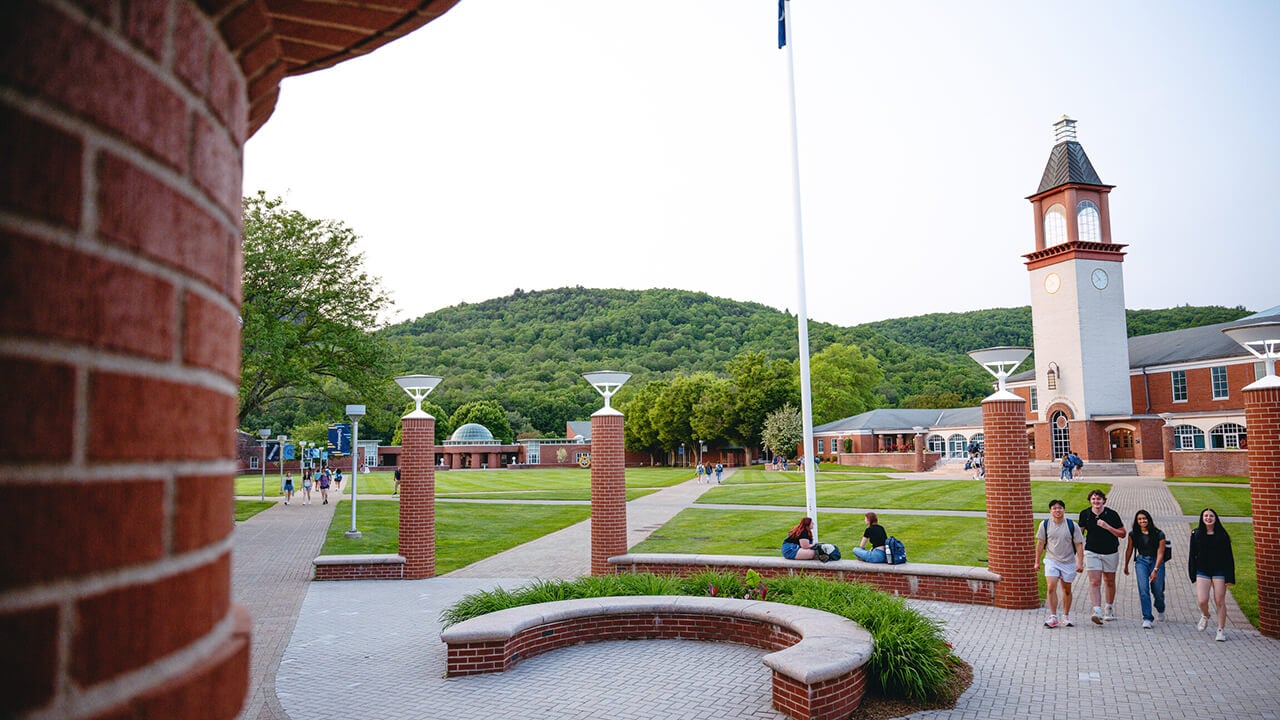
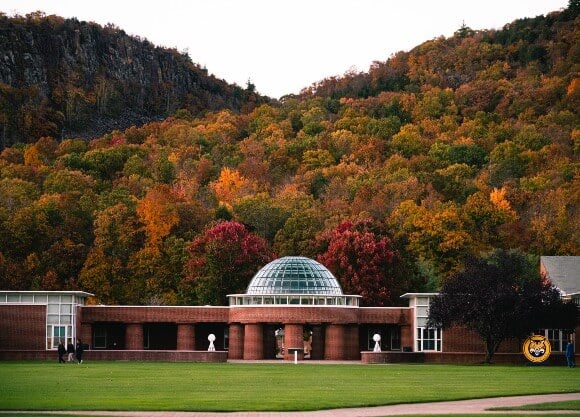
Rochelle Adjekum: I actually heard about it from a counselor, and I did my research. I looked at videos and stuff, and it looks so pretty in the fall. So that was, like, my main point of attraction.
Joel Vanner: We are rated. I don't know the exact award, but we are rated as one of the prettiest outdoorsy campuses with Sleeping Giant State Park right across the way.
Rochelle Adjekum: Yeah.
Joel Vanner: That is definitely definitely true.
Rochelle Adjekum: Mm hmm. Really pretty. So that was one of the main things that, like, brought me here. And also, it wasn't, too far or too close to my family. So I just thought it was a perfect place to kind of, like, start over, but also continue my journey.
Joel Vanner: So you have family in the South, right, in Maryland and Georgia. So it wasn't too far away from them, a new place, new experiences, getting acclimated. You know, we have small class sizes here at Quinnipiac, but just getting involved in the community when you came, what was that transition like for you before we even get to the classes that you've taken?
Rochelle Adjekum: So I got, like, fortunate enough to be put in Dana with a really amazing roommate. Like, I loved my roommate. She's, we're still friends to this day, like, she's so amazing. And there was, like, another girl across the hall from us, and she was South African. And she was also in the International Student Association on the E-Board. And she kind of convinced me to, like, go to the events with her. And it was nice to kind of build a community of students that were, like, also kind of foreign. So it was nice to bond and, like, talk about some stuff that were similar for us, like, all coming to America at the same time and stuff. So I'd say that's how I built my community. It was nice to have people to relate to.
Joel Vanner: And, the E-Board would be the executive board, so she was on the leadership team for the International Students Association.
Rochelle Adjekum: Yeah.
Joel Vanner: When you came to Quinnipiac, you weren't an international student, but you still participated in those events because they are open to the community, right? What are some of the events that the International Student Association holds for the community?
Rochelle Adjekum: So they have, like, international movie nights where it's just, like, a regular movie night, but they choose movies from different countries. And then they also have paint nights where you can, like, paint stuff from your culture or from your country. They also have, like, in the fall, they have pumpkin painting and, like, pumpkin carving, because we don't really do that anywhere else. So it's like a fun new experience and stuff here. So they just try to kind of combine foreign stuff with things here to make it, like, a good thing for everyone in the community. Like, not only international students. And yeah, so I was in the International Student Association, but I also met students that were already from America.
Joel Vanner: So finding your community through the International Student Association, which you're still actively involved in to this day, transitioning now to your courses, you mentioned that you really liked how small the class sizes were and how accessible your professors are.
Rochelle Adjekum: Yeah.
Joel Vanner: In the biology program, there are a lot of tough courses, right? We talked about that before the show. What has been your experience so far in getting through those tough times? Is there a specific course or faculty member that really helps you out to, you know, learn what needs to be learned?
Rochelle Adjekum: Yeah, I'd say, Professor Takizawa from the biology department. She was really helpful throughout my first, like, two courses here. Like, I really loved her. I enjoyed her classes. She was also really accessible and easy to talk to. So she kind of, like, helped me through everything. But one of my hardest courses here was definitely Anatomy and Physiology.
Joel Vanner: What was so difficult? I'm sure there are many difficult things about it, but what was the top difficulty in that course?
Rochelle Adjekum: I'd definitely say, like, trying to remember all, like, everything. So, like, the body parts, like, the bones, labling hearts and eyes. It was a lot.
Joel Vanner: So if I gave you a blank sheet right now, would you be able to do it, or? Hopefully!
Rochelle Adjekum: Maybe.
Joel Vanner: You did it once. But also, you have your advisor, Dr. Don Column-Lippa, right? Who kind of helped map out your plan for your program, as well. What was the relationship with your advisor? How did that kind of help you structure your major courses, and then also your double minor courses, right? You said psychology and global public health, right?
Rochelle Adjekum: So she was very helpful in helping me choose those minors as well, because I only had a major for about my first two years here, and I realized I was really interested in psychology, and she kind of helped me choose classes that I was interested in that could help me get the minor. And same thing with global public health because there were a little like, there were a lot of overlaps between global public health and biology and psychology. So it kind of, like, all worked out. But initially, I did not like asking for help when I needed it. Like, I was really reserved. And I just used to go to her office a lot, and she kind of helped me out of that, which definitely helped my grades a lot, as well. So I'm really grateful to her. And I can also go to her for anything, even though she's just my advisor. But yeah, and she was also really helpful during my sophomore year here.
Joel Vanner: One of the things you've been able to do during your time at Quinnipiac is take part in various Experiential Learning Opportunities, internships and shadows, right? What internships and shadows have you been able to do? And how have they kind of helped you narrow in on courses you might want to take or where you might want to go after graduating from Quinnipiac?
Rochelle Adjekum: Alright, so I think it was the summer of my sophomore year. I worked at a hospital, and I was shadowing, like, different doctors. So I'd say it was about every two or three weeks. I shadowed a different kind of doctor. And the summer of my junior year, I worked specifically and, like, only focused on psychiatry. So I worked at a psychiatrist's office, and it was something I was really interested in also because I am a psych minor, so I knew a lot of the stuff that they were talking about. And it was kind of intimate another reason why I want to be a doctor is I like talking to people. I like having that connection and helping people, as well. So that internship really gave me the opportunity to talk to people and connect with people and help people. And it was something I really enjoyed. So it definitely narrowed down my choices because I'm not sure what kind of doctor I want to be yet, but, like, now, at least I have options that, like, I'm sure of.
Joel Vanner: You don't want to narrow down yourself too early.
Rochelle Adjekum: I still have time.
Joel Vanner: Experience. Yeah, still have time.
Rochelle Adjekum: Yeah.
Joel Vanner: But that's interesting you say that because one of the things your advisor helped out with was encouraging you to ask more questions, reach out and ask for help, right? And through these experiential learning opportunities, the shadowing in the hospital and in the psychiatrist's office, you're getting that real world practice while you're still learning in your courses, right? So you'll be well prepared when you graduate and begin your career. Taking your academics involvement in the International Student Association and your shadowing experiences together. What's the biggest takeaway you've had so far from your college experience?
Rochelle Adjekum: It gets easier.
Joel Vanner: It gets easier.
Rochelle Adjekum: Yeah, it gets easier. Like, I feel like if you can organize your time and, like, put your energy into the right things, it gets easier. I mean, you still need to put in that work, though. It's not going to get easier if you do not put in the work. That's something I learned the hard way.
Joel Vanner: I think along the way, you discover yourself, too, and maybe things. Maybe, you know, you won't be a dancer, maybe dance will be a passion area, same with music. But you discover things about yourself that maybe you didn't know at the outset.
Rochelle Adjekum: Yeah.
Joel Vanner: And I would also say, you know, it sounds like a story of sticking with it, too, right? Not giving up when it gets hard or when things may seem challenging, like, you know, your acclamation to Quinnipiac was a bit you weren't quite sure, you know, where you would find that community.
Rochelle Adjekum: Yeah, that as well. I feel like that all feeds into me saying it does get easier because it was hard at first. You know, like, you don't have a community. You come here. You don't know anybody, and you're just by yourself. But then you put in the effort, you actually meet people, you, like, talk to people. Also, people in your major. You guys can, like, tackle stuff together and then put in all the work together, 'cause I pulled a lot of all-nighters at the RecWell.
Joel Vanner: Have those study groups, right?
Rochelle Adjekum: Yeah.
Joel Vanner: Because it's a it can be a shared struggle, right, with the content together, but peer to peer learning is important and what helps you get through it, too.
Rochelle Adjekum: Yeah.
Joel Vanner: So now with, you know, your biggest takeaway and thing you've learned, what would be what advice would you give either a student looking to study biology here, at Quinnipiac and maybe even a student who's looking who may be an international student who's looking to come to Quinnipiac. What advice would you give both of those students?
Rochelle Adjekum: I would say, take it easy. Don't put too much pressure on yourself. You'll, like, get to the finish line at some point. Like, just keep calm and you'll get there, 'cause panicking is not gonna help you.
Joel Vanner: I agree.
Rochelle Adjekum: Yeah.
Joel Vanner: Rochelle, thank you so much for joining me on the show today. It was great having you on and hearing your story.
Rochelle Adjekum: Oh, thanks for having me.
Rochelle Adjekum: If you enjoyed today's episode, be sure to subscribe and share and find other episodes on Apple, Spotify, and YouTube. Until next time when I ask my next guest, who are you? I'm Joel Vanner. Bye for now.

Quinnipiac Today is your source for what's happening throughout #BobcatNation. Sign up for our weekly email newsletter to be among the first to know about news, events and members of our Bobcat family who are making a positive difference in our world.
Sign Up Now