


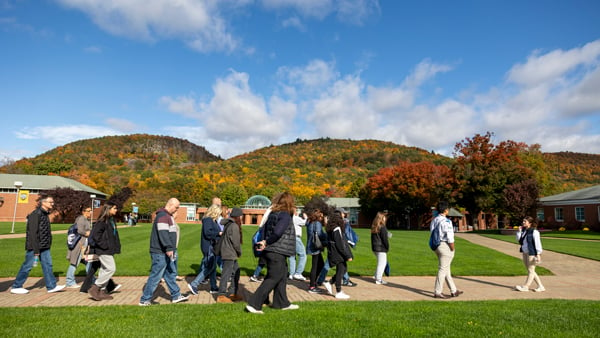
Attend an Open House
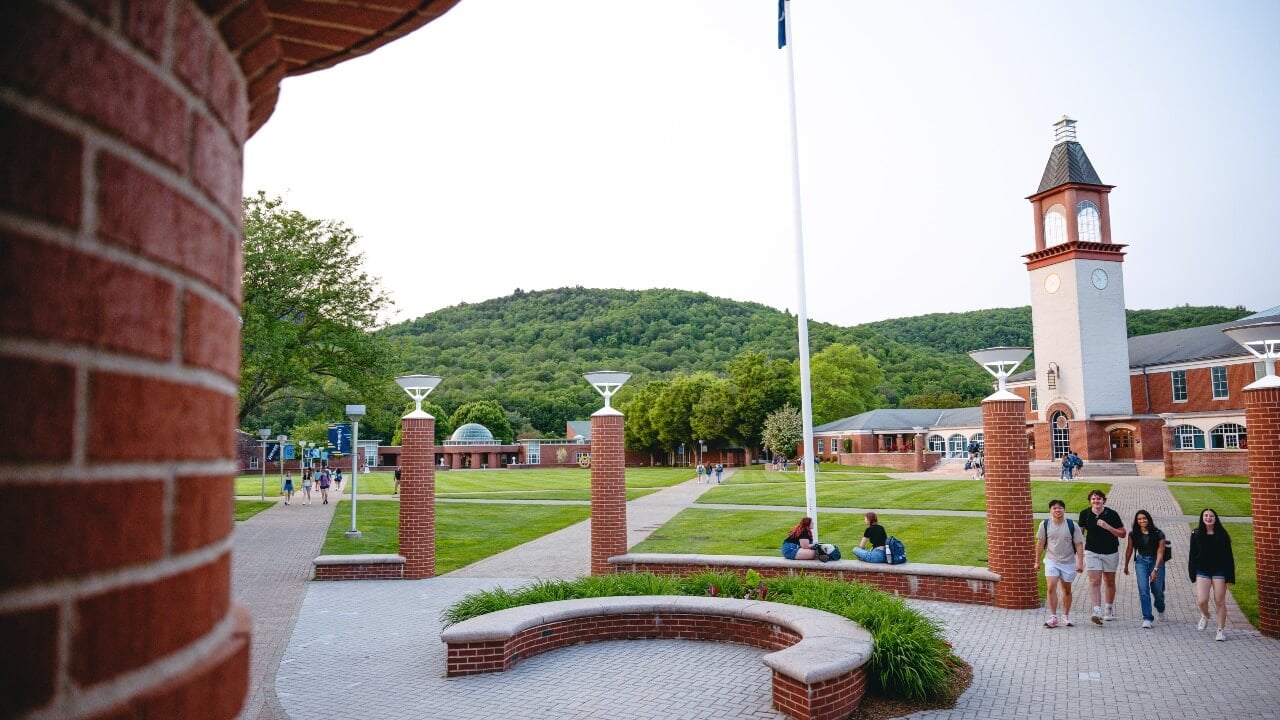
Want to learn what Quinnipiac is all about? We invite you to join us at an Open House, where our students, faculty and staff will introduce you to life as a Bobcat through a variety of sessions and tours.
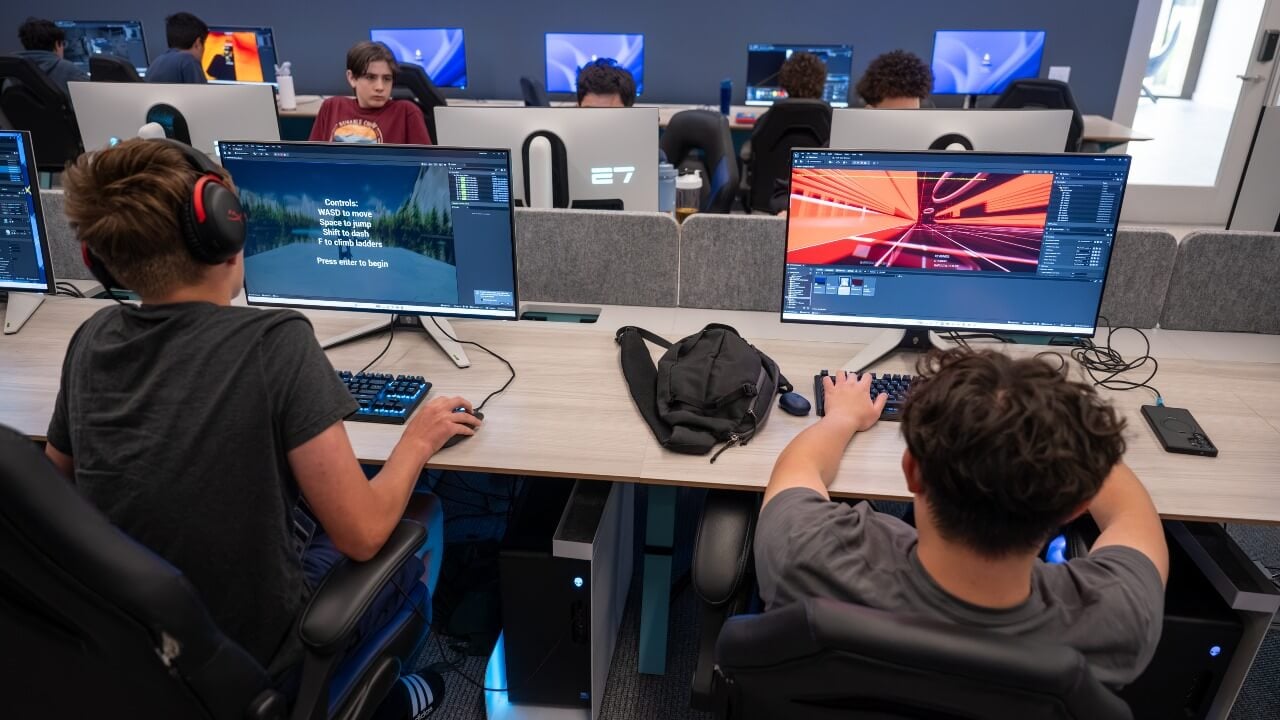
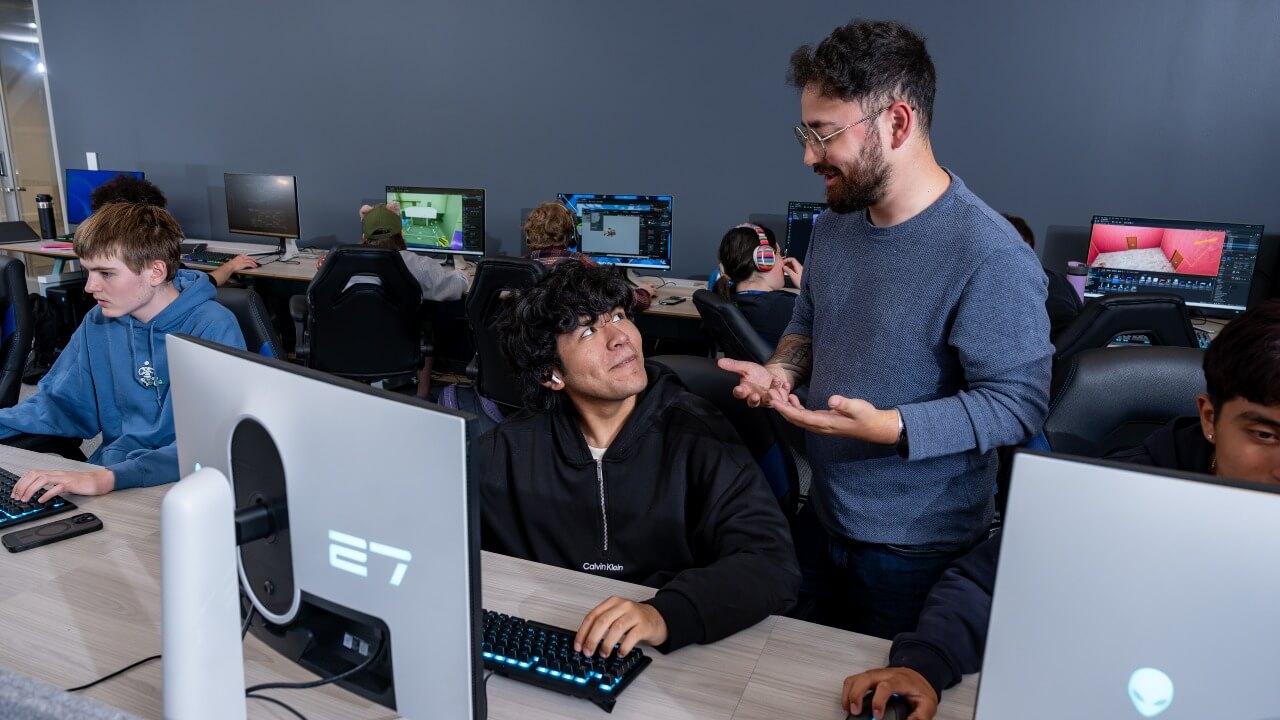
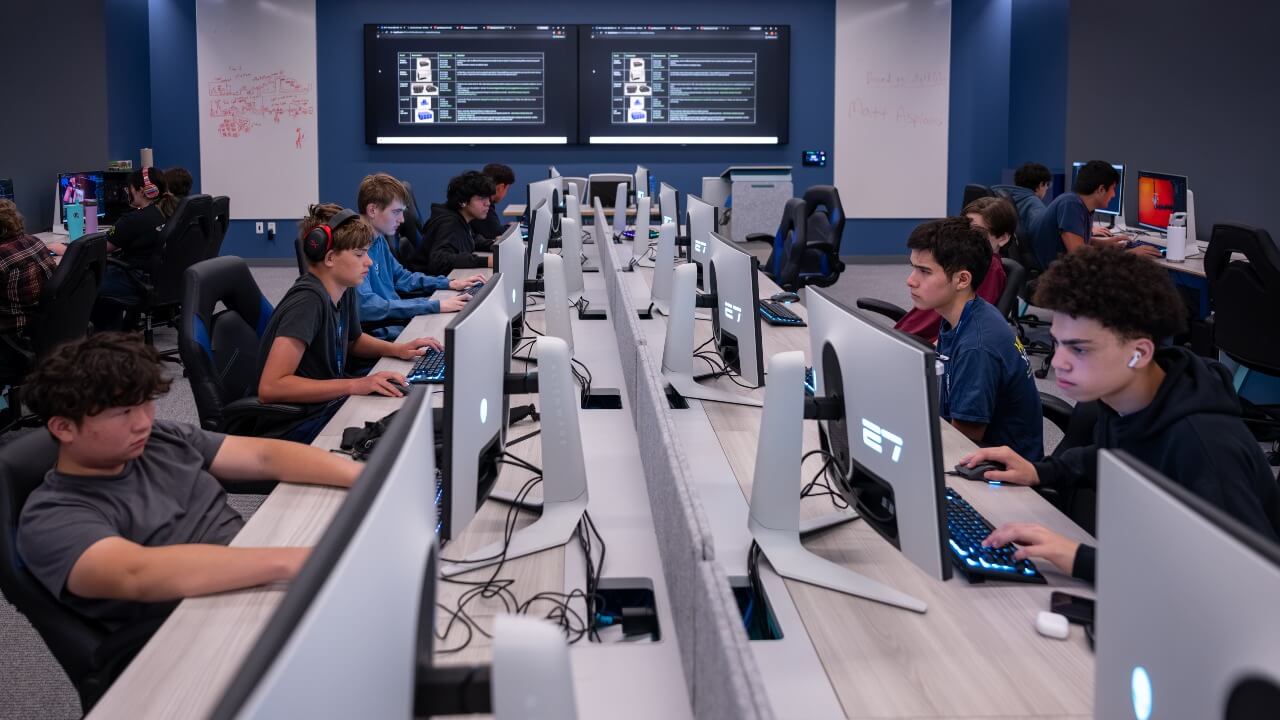
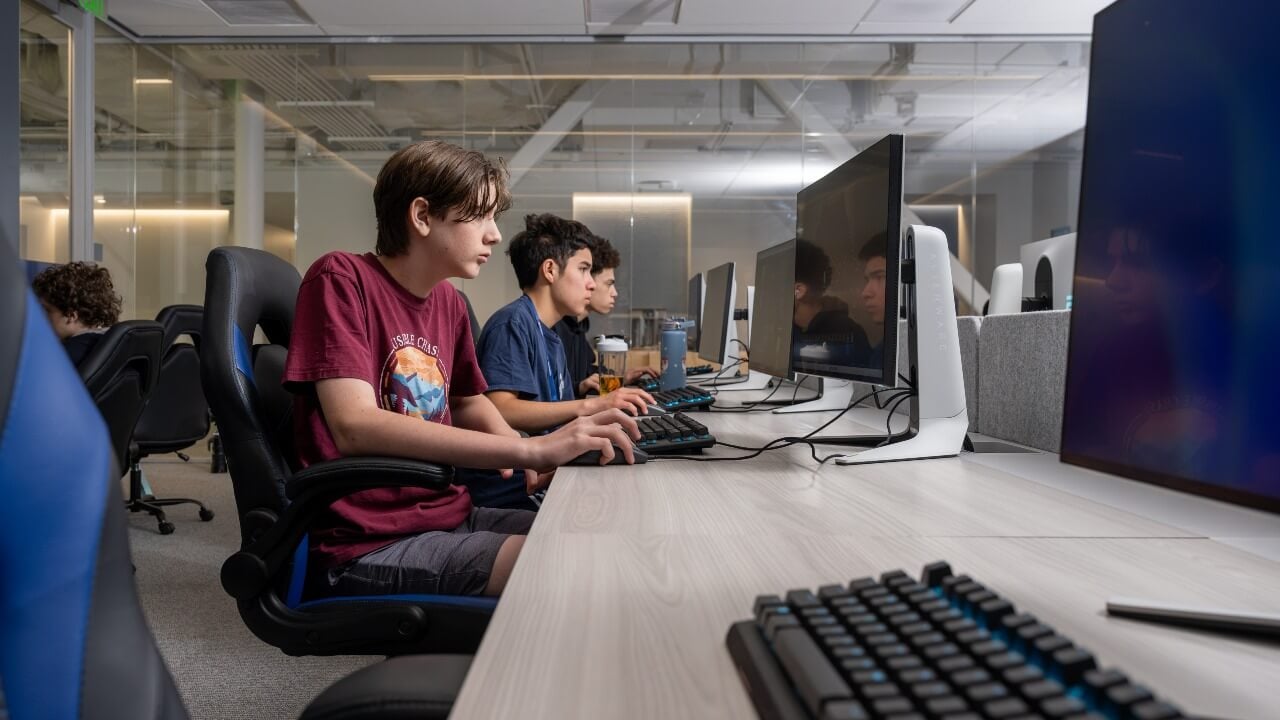
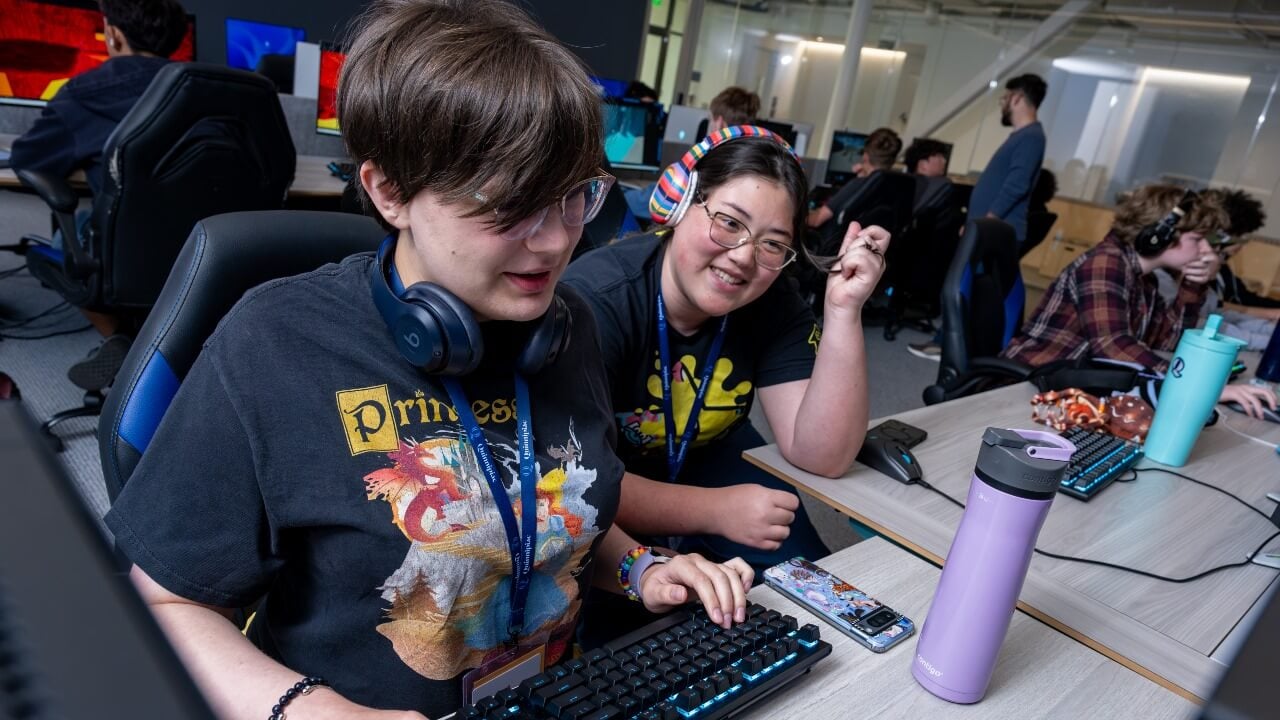
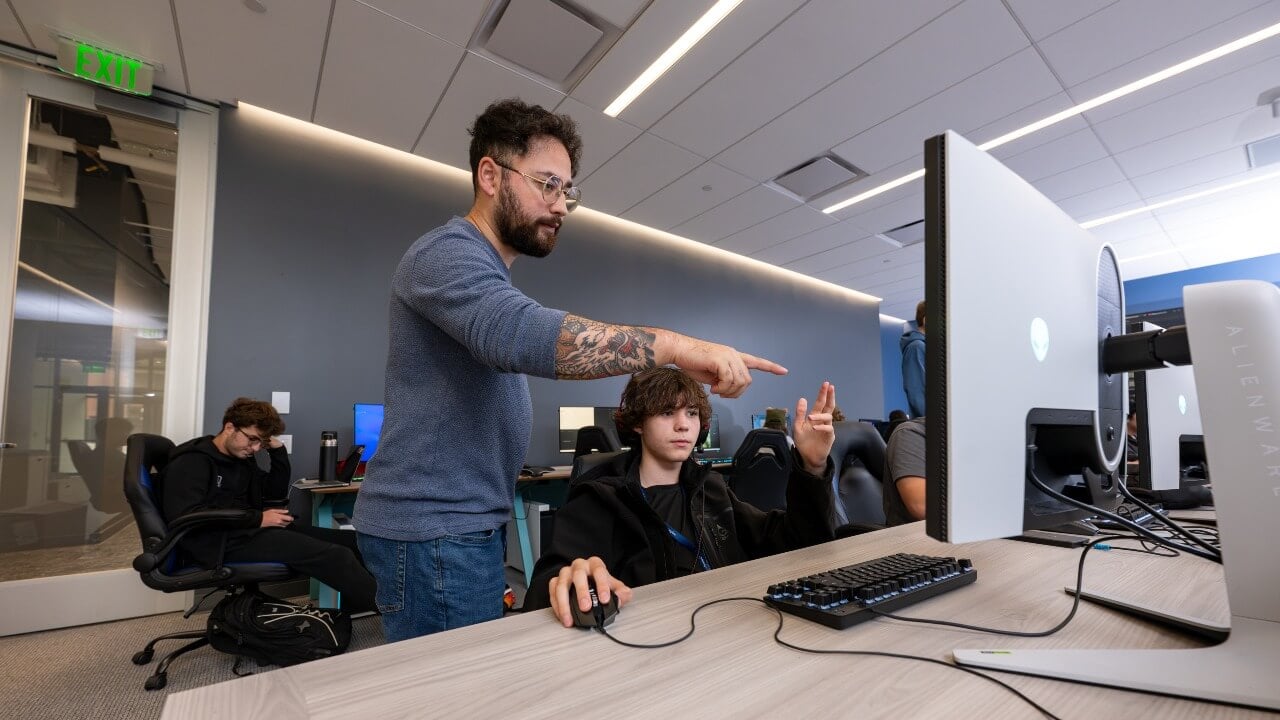
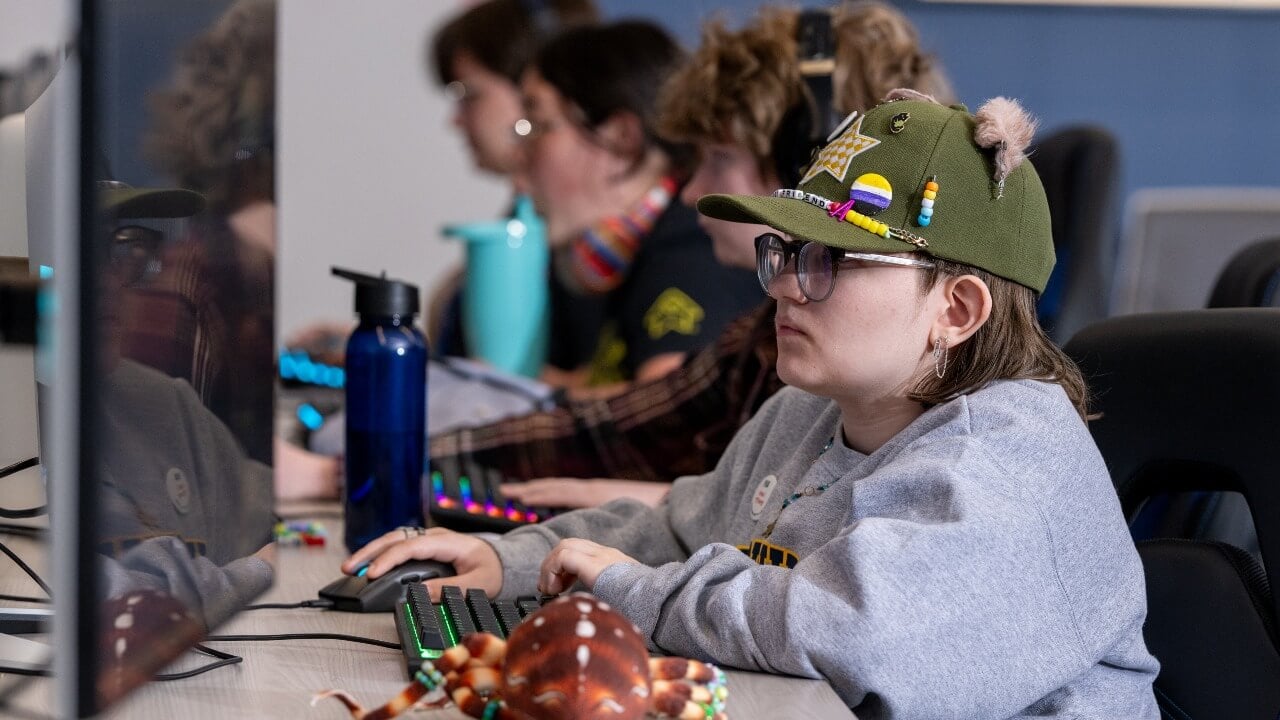
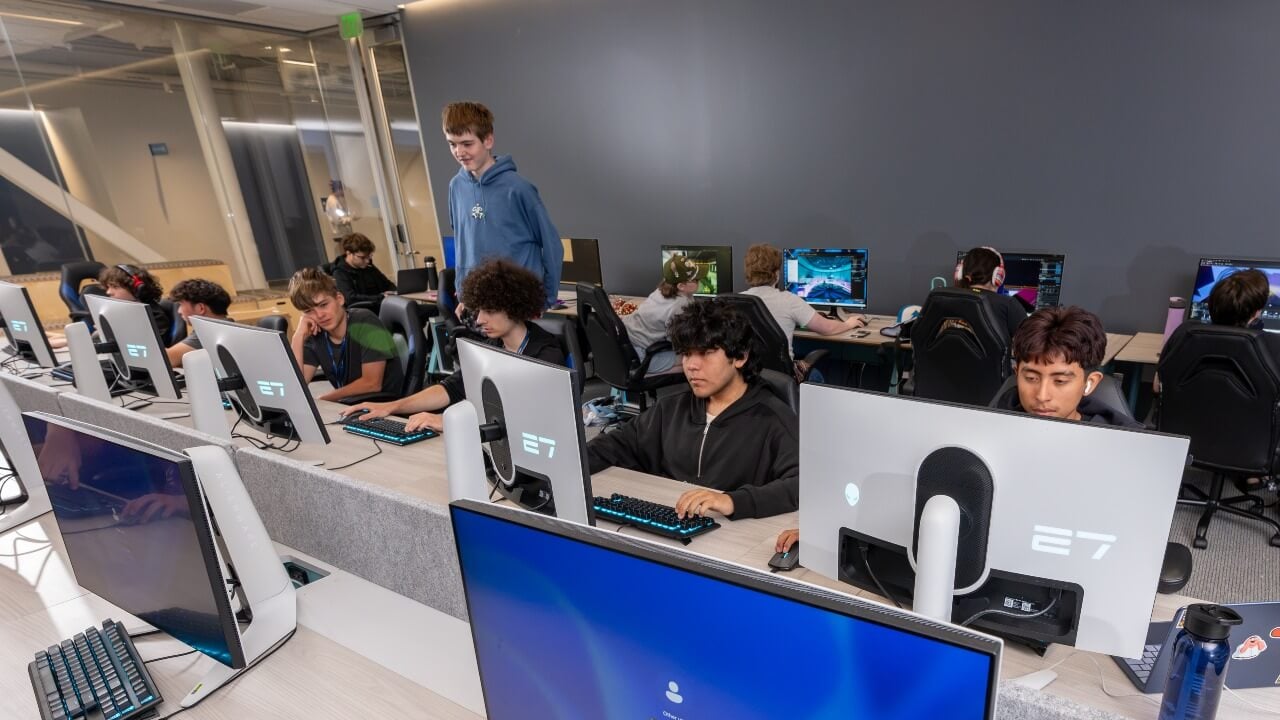
From practicing visual coding skills using the Unreal Engine Blueprints system all the way to working through the game industry’s iterative testing process, the two-week intensive packed a powerful punch. Attending full daily sessions, 17 students collaborated in small teams to design and develop original 3D platformer games by creating fully-realized levels from the ground up.
“By having the chance to work on this every day, for almost eight hours a day, they’re learning fast — almost as fast as the students I’ve seen in our undergraduate program,” said Gorman.
The teams presented their games during an exciting showcase for family and friends on the last day of the program.
“They’ve created platforms, obstacles, a collectable — everything that makes a 3D platformer. The goal is to come out with a completed game as a packaged program — you just have to click, and it opens up and launches,” Gorman said.
Each of Quinnipiac’s impactful pre-college summer programs are designed to give high school students a real college experience. The high school game designers stayed on the Mount Carmel Campus, dined together and enjoyed a variety of organized activities and events during the July 6 through July 17 program.
Living on campus and managing extensive hours of daily instructional time was a new experience for Geovanny Benavidez, a 17-year-old Bridgeport, Connecticut resident. Over the course of two weeks, Benavidez and his team created a game that takes players on an obstacle-filled hunt for diamonds in a dramatically-lit, multi-level cave setting.
“For the first few days, I was kind of nervous because it was kind of a different experience being away from home. But after the first week I grew used to it. I liked seeing all the scenery around me every day and talking to my roommates. We grew a bond. It was really nice,” Benavidez said.
An interest in game design drew 16-year-old Jeffrey Gavern of Avon, Connecticut to the program. His team developed a game where players need to escape through tunnels, twists and turns after falling into a cavernous underground world.
“I think our game is pretty cool with the graphics and everything,” Gavern said. “I’ve done coding before and I’ve done things with my friends, but I wanted to see what this experience would be like. It’s pretty interesting, and working in this space is nice.”
The two-member team of 15-year-old Morgan Kidd of Collinsville, Connecticut and 16-year-old Colette Stopka of Hamden, Connecticut conjured up a haunted house to build out their 3D platformer.
“The story is you’re a new ghost in this haunted house which has multiple ghosts, and an influencer — like a TikToker or YouTuber — has invaded your home because people love to explore abandoned places,” Stopka explained. “You’re basically trying to drive them out.”
Kidd, who has been coding for several years, said she signed up for the Game Design Lab program because she wanted to experiment with visual coding for 3D-platform building.
“The reason I did this program was to see if I really like it,” said Kidd. “I’ve also never worked on a team before to this extent. I’m not really an idea person, and Colette’s ideas sounded great.”
Stopka, who is new to game design and programming, said she participated to expand on her interest in visual design. She said working collaboratively helped each person bring their interests and skills to the effort while also learning together.
“I’ve done a lot of visual concepts, but I haven’t really been in game design before and never anything really putting the programming into effect. That’s why it’s been great working with Morgan — she’s carried me through so much! There are so many functions in the game that never would have happened if she wasn’t here, so I’m really grateful for that,” said Stopka.
The two took away a new friendship, new skills and a better idea of the type of academic and career paths they may pursue in the future.
“I never thought I would be able to do this. Knowing there are programs out there where coding doesn’t have to be typed into every individual line is really astounding, and I really want to develop a game with Morgan again,” said Stopka. “My end goal is to become an indie developer when I get older.”
Many high school students left the program with a better understanding of the career paths that are available to them.
“I think I’m going to go into game design, and I’m also looking into cybersecurity as a possible future field for me,” said Kidd.
Gorman said one of his goals for the program is to help the high school students develop an understanding of the online gaming industry and potential career paths to inspire their personal, academic and professional aspirations within game design.
“I do like how effective the camp is for people who really want to do it. If you didn’t want to get into this, eight hours a day would be tedious — the same for any job. You want time to fly by,” said Gorman.
Want to learn what Quinnipiac is all about? We invite you to join us at an Open House, where our students, faculty and staff will introduce you to life as a Bobcat through a variety of sessions and tours.










Quinnipiac Today is your source for what's happening throughout #BobcatNation. Sign up for our weekly email newsletter to be among the first to know about news, events and members of our Bobcat family who are making a positive difference in our world.
Sign Up Now