


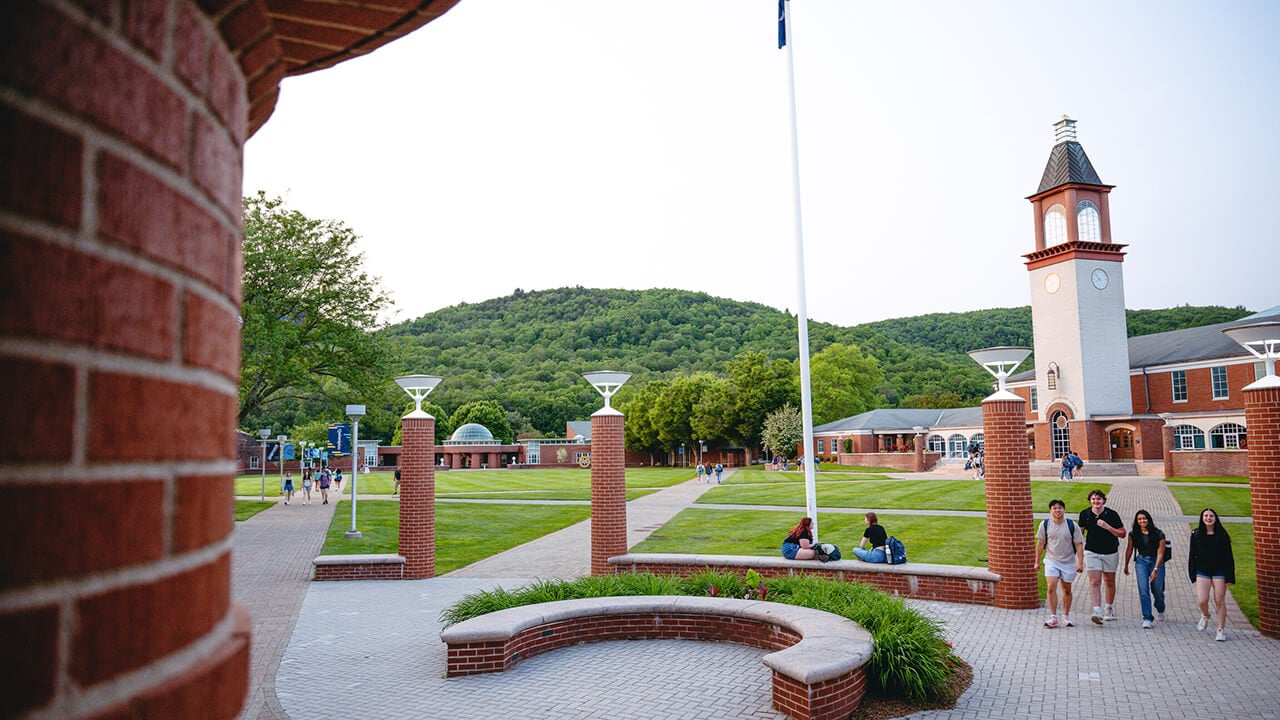
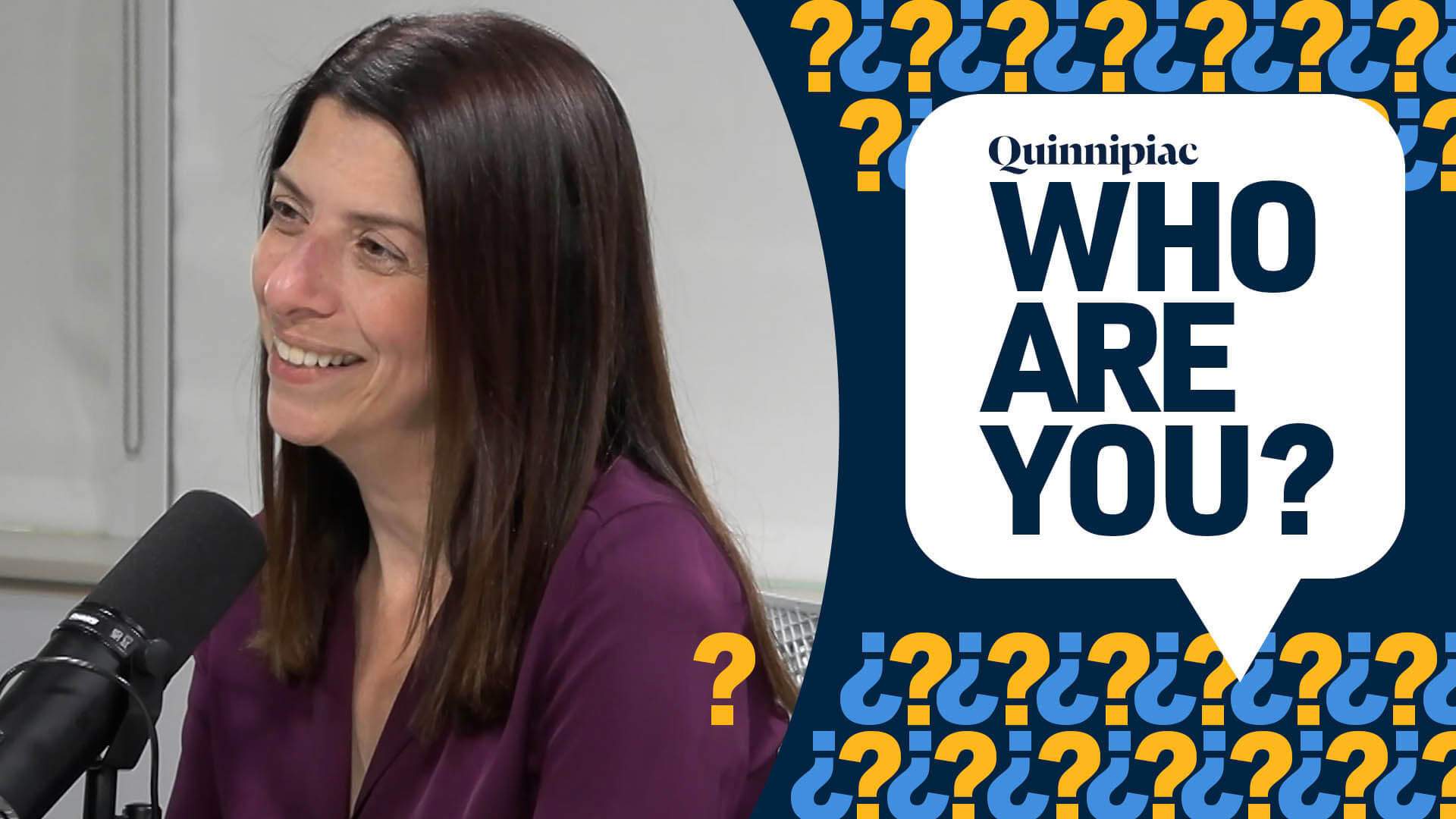
‘Who Are You?’ podcast with guest Provost Debra Liebowitz
How diverse experiences create expertise
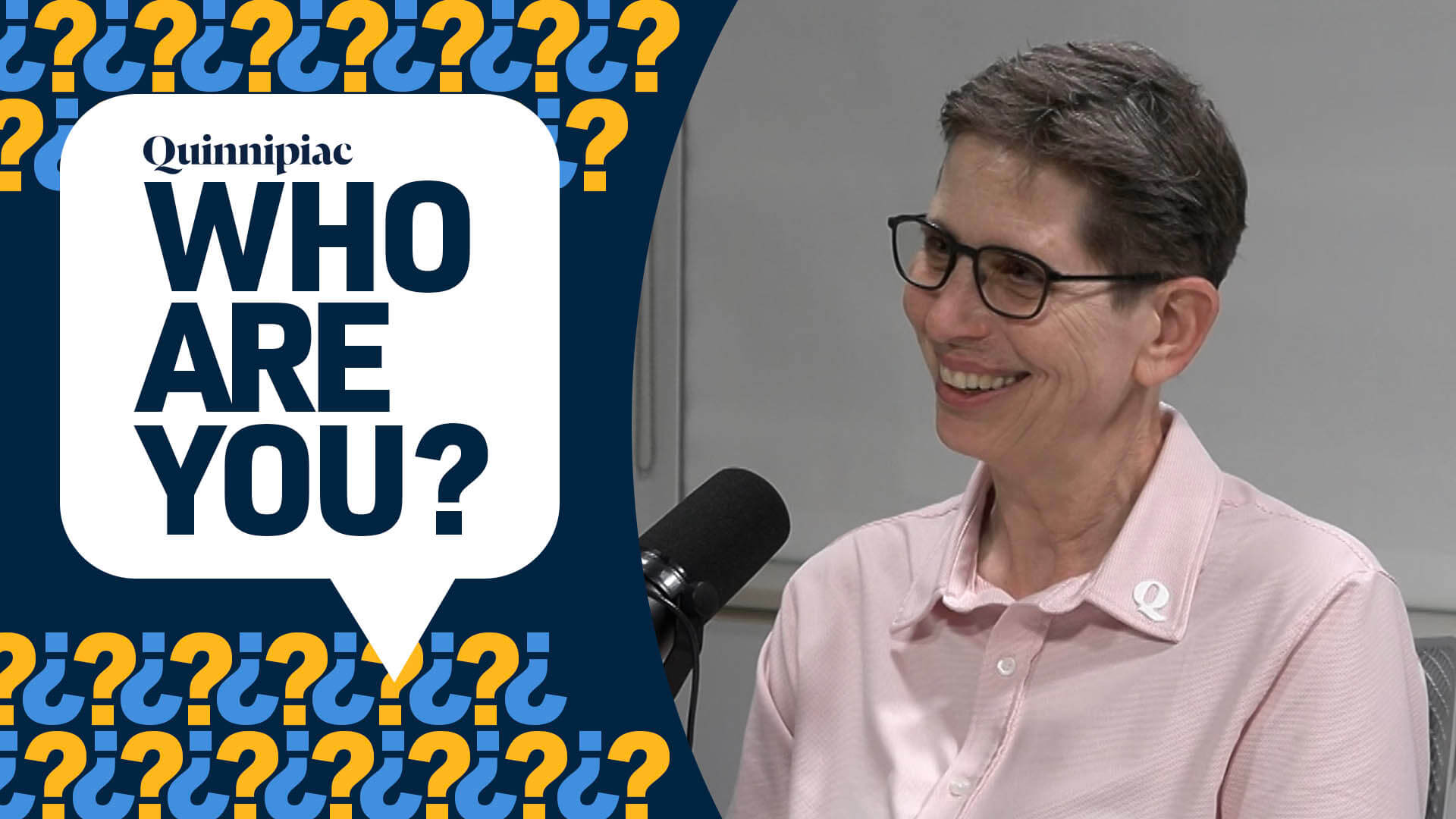
How diverse experiences create expertise
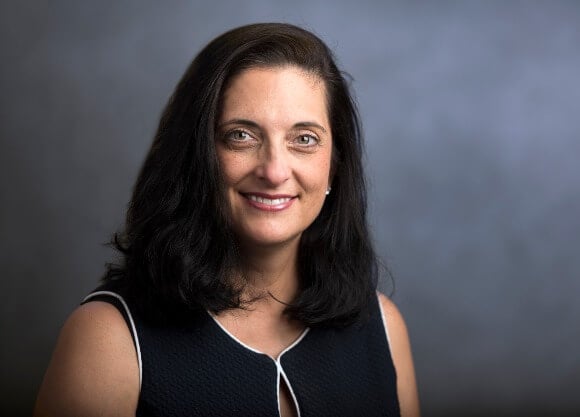
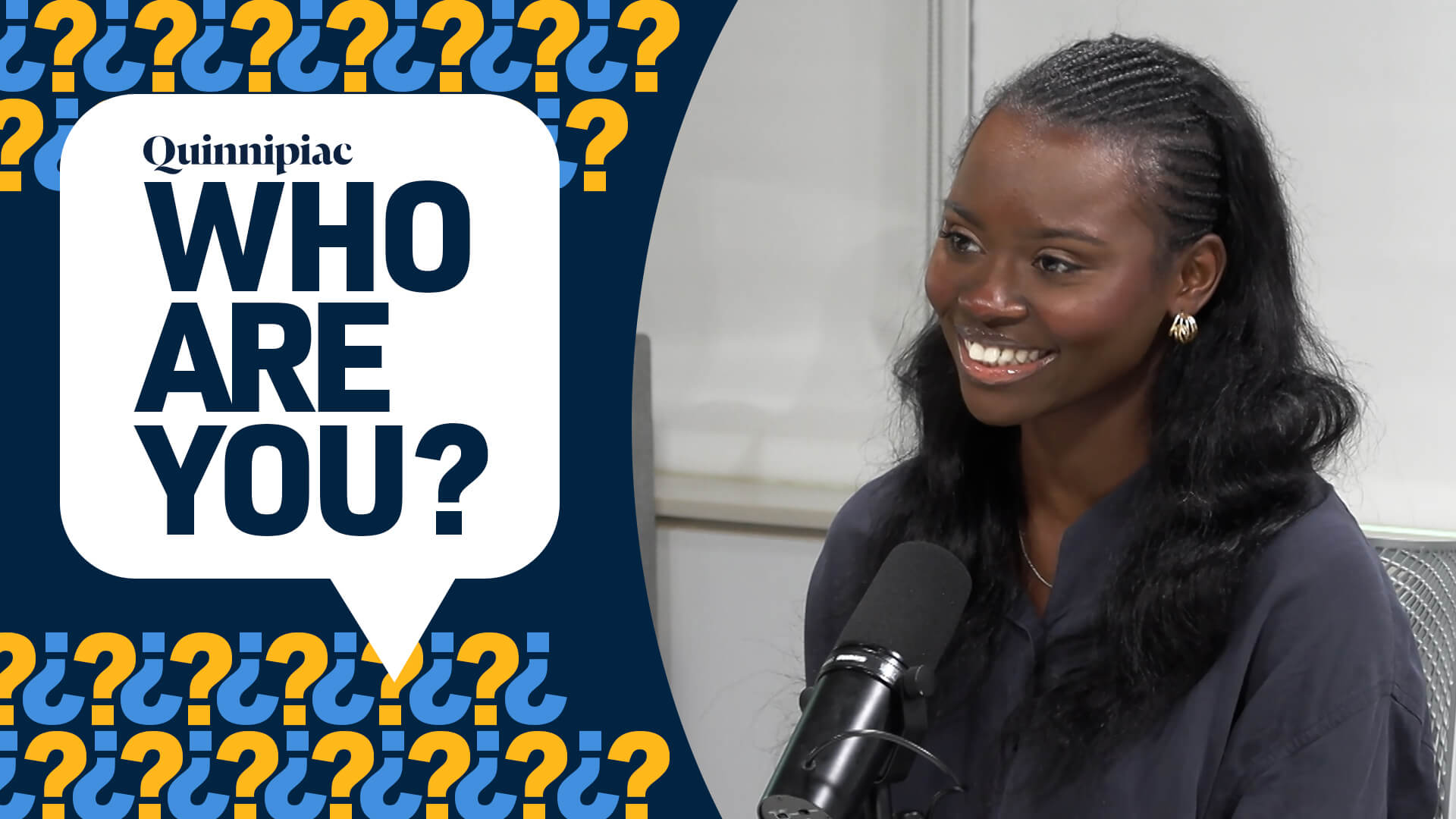
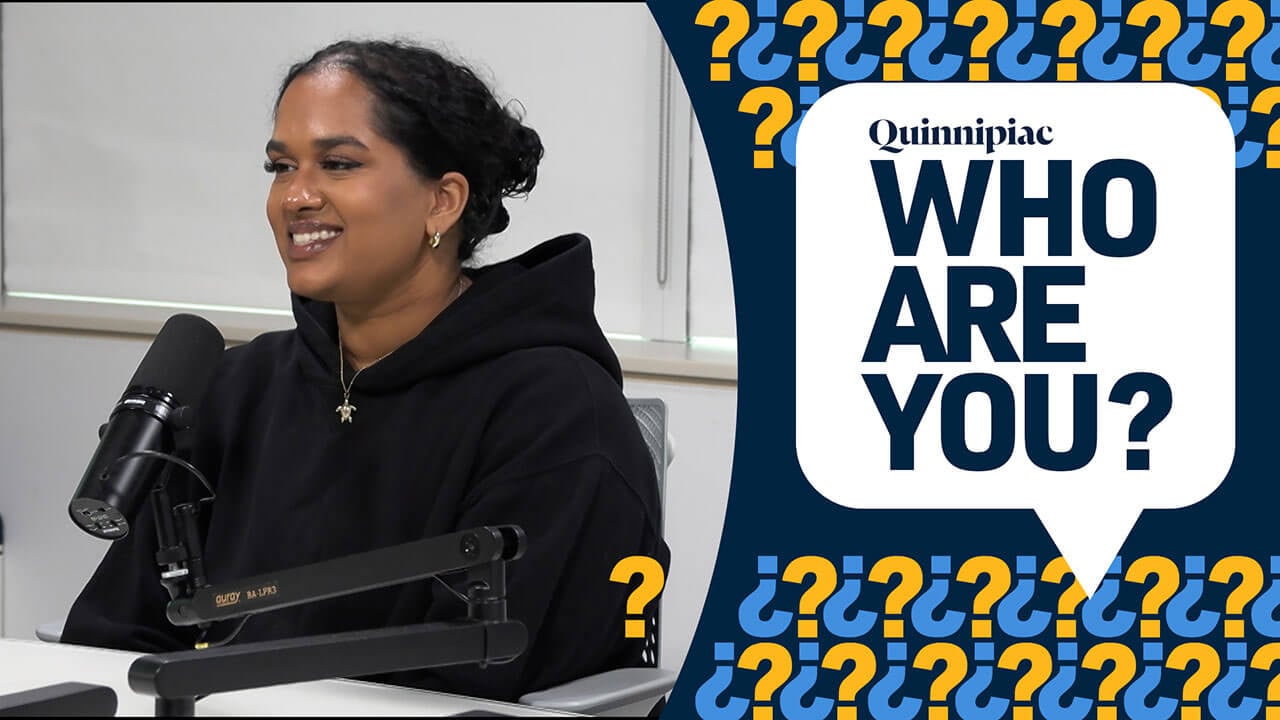
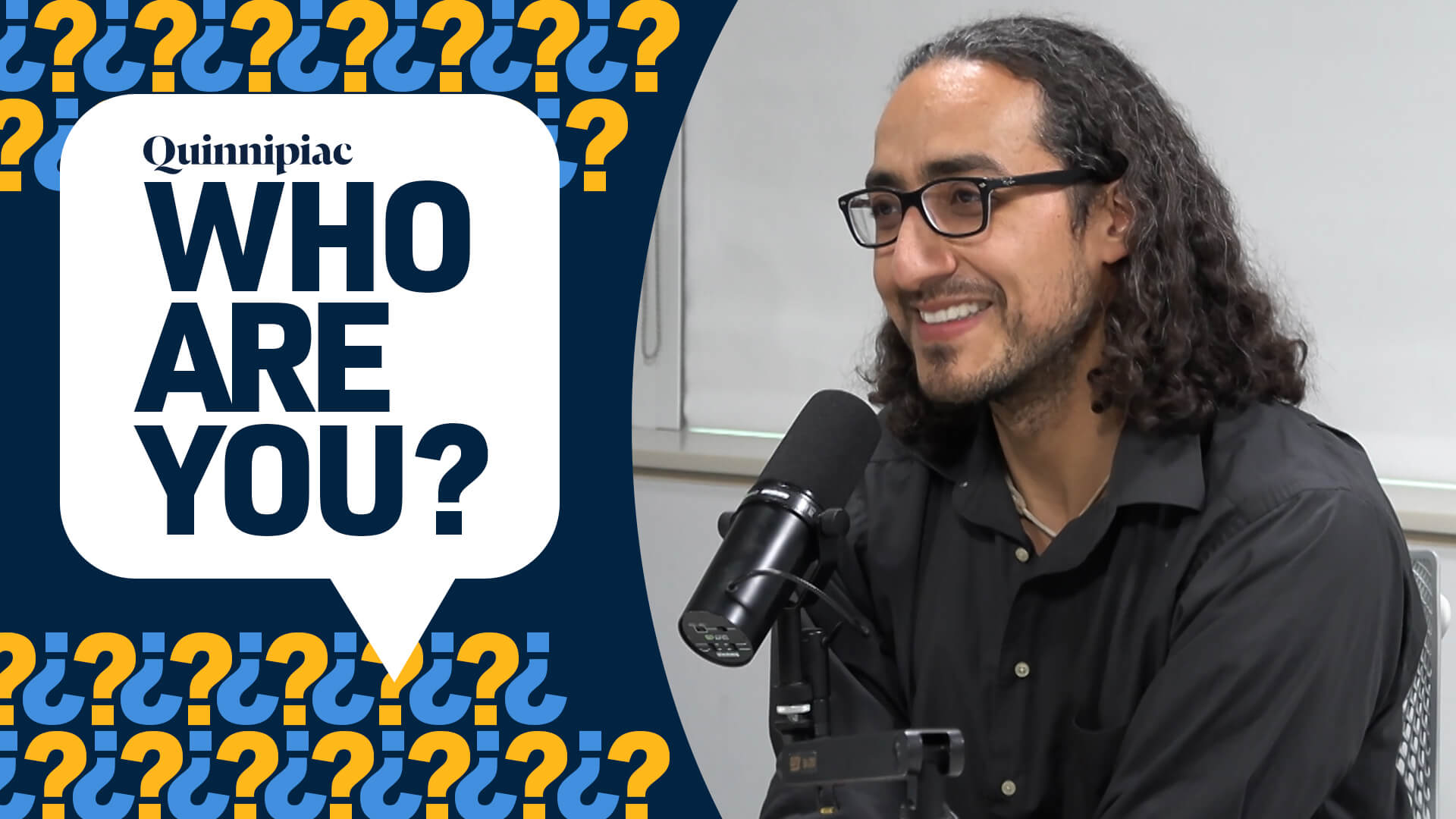
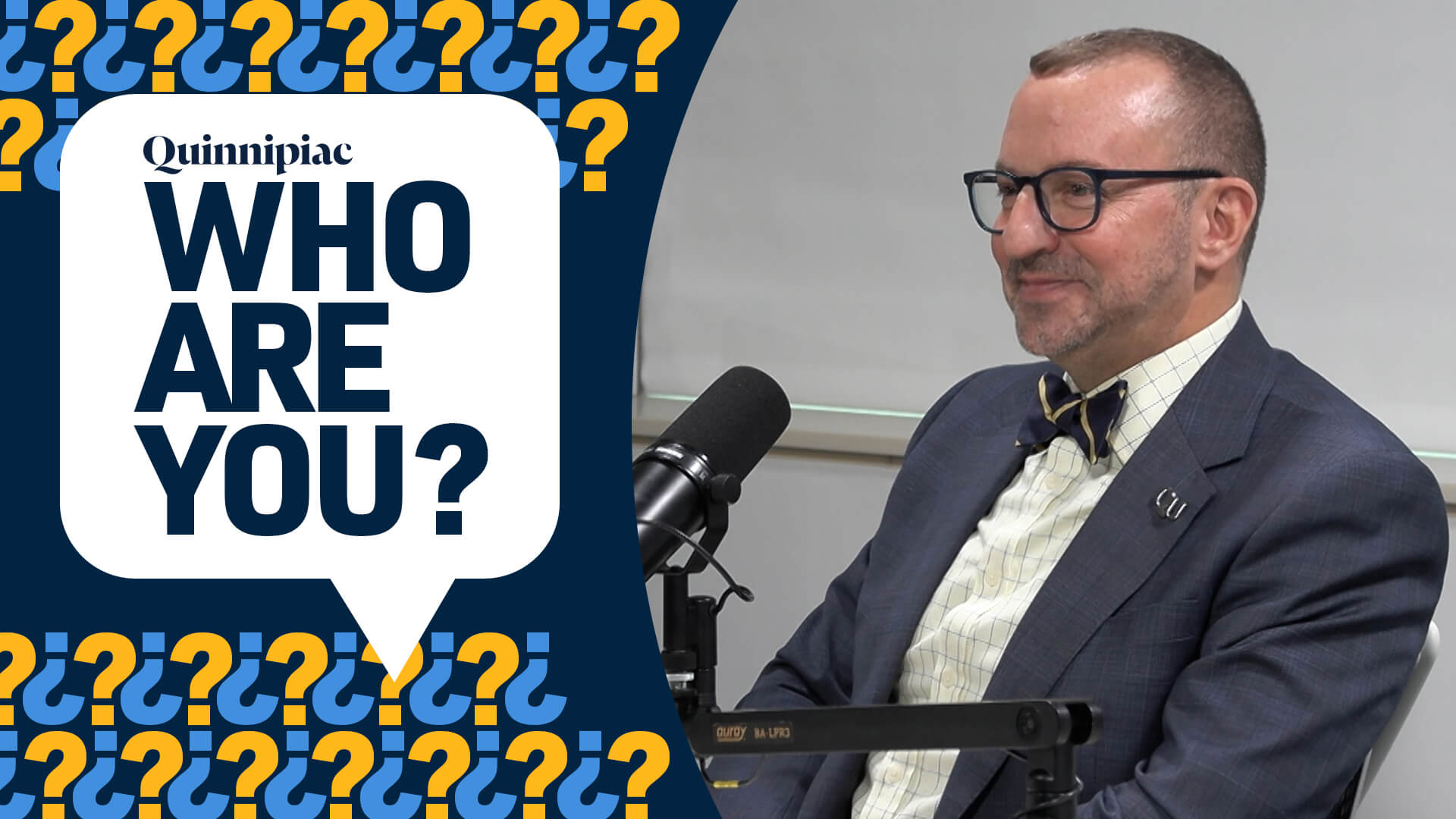
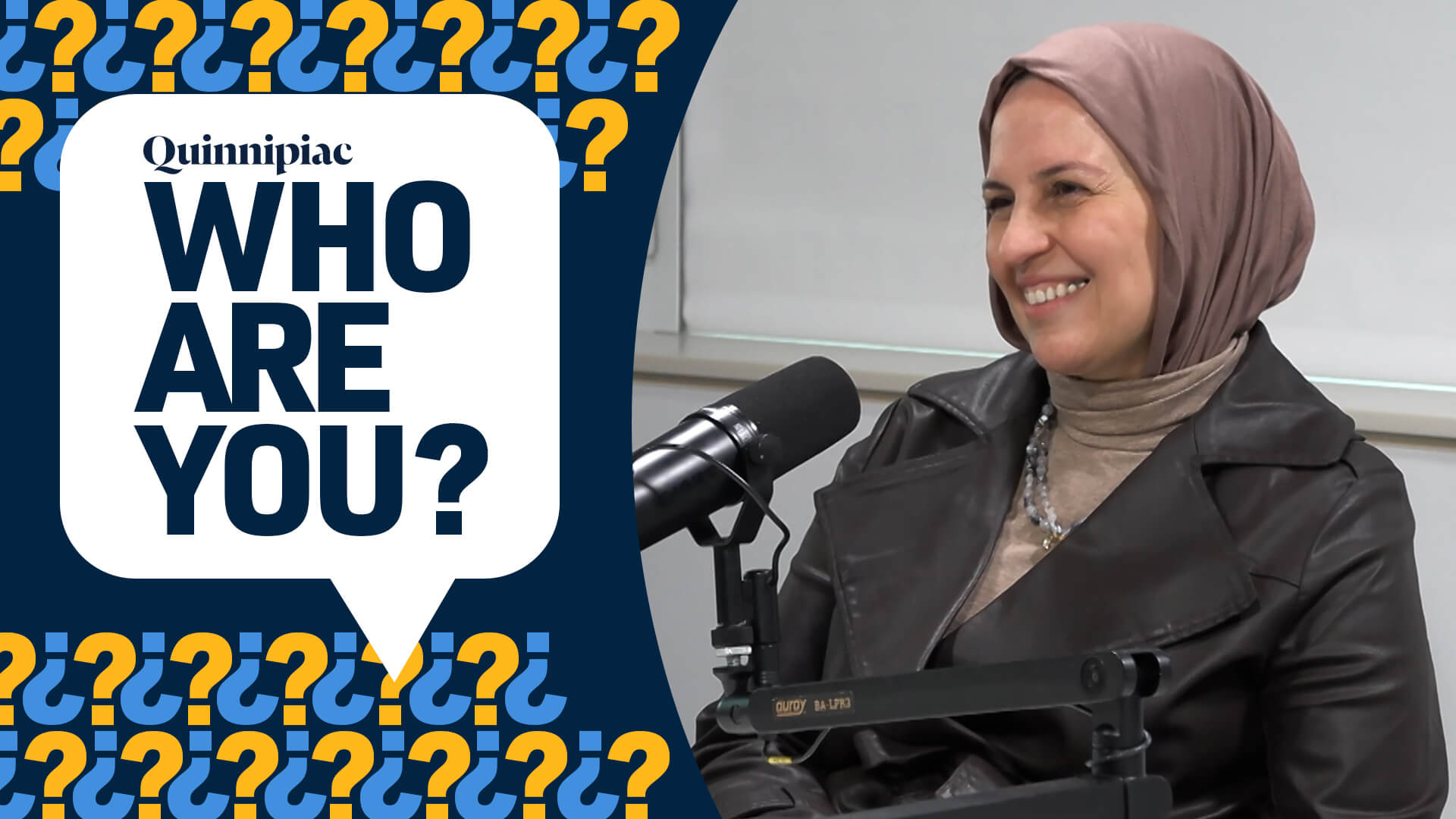
Joel Vanner: Hello, and welcome to ”Who Are You?,” the Bobcats you know, the stories you don't. I'm your host Joel Vanner inside the podcast Studio at Quinnipiac University's School of Communications. And I'm honored to be joined today by my guest Provost Debra Liebowitz Provost Liebowitz, welcome to the show.
Debra Liebowitz: Oh, thank you so much. It's a great pleasure to finally be here.
Joel Vanner: Yes, it's awesome to have you on and getminto your life story and your role as provost here at Quinnipiac in today's episode. So with that spirit, I asked my guest the same first question, and that question is the title of the show. Who Are You?
Debra Liebowitz: My name is Debra Liebowitz, and I am the Provost, the chief academic officer here at Quinnipiac University. And the chief academic officer Provost is the person who is responsible for everything academic. All of the schools, but our strategy and academic supports, career, those kinds of things, libraries, everything that sort of broadly falls into the rubric of academic affairs.
Joel Vanner: Not sure if someone says, I want to be a provost of a university as we're growing up, right? Because there's a lot in that title. I mean, we'll get into the role that it has here at Quinnipiac. So let's talk about you growing up. What were your passions and areas of interest? Was it always academically focused or did that come later for you?
Debra Liebowitz: I think you're absolutely right. There's never been a kid in the history of the United States or perhaps the world who has woken up and said they wanted to be a provost, and certainly not for me in a context where, my parents hadn't gone to college, and my dad got a GED, and ultimately, actually, my mom got an associate's degree when she was 60, and my dad, ultimately, when I was a kid and into a teenager, did go to college, but, you know, no.
Joel Vanner: So not the traditional education growing up.
Debra Liebowitz: Not the traditional path, right? So, definitely not. But the second part of your question was, was I academically minded? I think I was curious and always interested in the world. And I think both of my parents had that kind of quest to learn things, learn about places and people, and we're just interested. And so I kind of had that. I loved books and the world that they opened. And so I think that, for me, was a pathway in.
Joel Vanner: In our conversations before the episode, you talked a little bit about understanding systems, why things are the way they are. You reference that you were volunteering in a soup kitchen and you were wondering, why are more people coming? Why is the system, you know, set up like this? And that kind of influenced what you decided to pursue for your undergraduate education, right? What did you choose to pursue and how did you kind of land in that space? We have some students that we've interviewed on the show. They have some sort of experience while they're in college. They come in kind of undecided, and they explore it here at Quinnipiac, and they narrow it down. So what was your journey like?
Debra Liebowitz: I think that inquisitiveness that I was referring to and being interested in kind of what was happening in the world is something that was sparked at different points in time as I was younger. And one particular incident where I was helping my dad clean out a house and the person who had been in the house had died. And so I was helping clean out the house, and he, like, said, Here, clean this out over here. And I started emptying, pulling boxes out of this room in a closet. And I opened up a box, and it was all of these newspapers that were from the week that John Kennedy was shot.
Joel Vanner: Oh, wow. History in a box.
Debra Liebowitz: History in a box, you know, the Life magazine, all of those things, local, national. And I just became completely fascinated. And I kind of went down a rabbit hole of that. So it's like, things like that that spark you. But I came I think I was also struck by maybe it was the time, the context, my family and the inequality and injustice that I saw around me, the struggles to, you know, to put food on the table for racial equality more generally around gender. And I didn't have the names or things for all of those things, but I saw them manifest in my life and in my family. And ultimately, you know, you were referencing a story where I was and this was, you know, much later on, and I was at a soup kitchen and there was a group of people volunteering. And I kind of was like, Okay, people were talking about what they do. And I was listening to the director and staff talk, and they were saying, Well, we we you know, we keep more and more people keep coming, so we've had to increase and increase. And I just remember being like, Okay, This is obviously incredibly important. You need to serve food to the people who need it. And why are more and more people needing this? This is wrong. This is not the way things should be. Like, in a country with so much in a world with resource, like, why on earth are we handling it in this way? And so I think for me, that was the putting a lot of pieces together to be interested in politics.
Joel Vanner: So you narrowed down to political science and psychology, right, in your undergraduate experience.
Debra Liebowitz: Yeah, I ultimately didn't quite finish my psychology major, but I was a couple two classes short or something, but I majored in political science.
Joel Vanner: An interesting story is your experience working in Alaska, in a cannery. Your senior year, right, of college, before you graduated, you started that experience. Tell us what you were doing and kind of what you learned from that because it leads us into after college, the experiences that you had.
Debra Liebowitz: So I think that interest in the world and what was happening, I really and needing to figure out a way to pay for college at first. After my junior year, I need to get a job. I had a group of friends. We were all trying to figure it out. We knew people who had gone to Alaska before to work in Alaska because we were I was in the Northwest. So I went to the University of Oregon and I had grown up. I grew up in Oregon, mostly. And so, you know, it was not so unusual as it sounds here. And so I went to Alaska to try to work and save money so that I could pay for college. And then after I graduated, I realized that this was the way to pay for the study abroad program I had always wanted to do and could never afford. And so if I just went to Alaska and saved all the money and didn't have to pay for college, I could save all the money and perhaps pay to explore the world.
Joel Vanner: Pack a backpack and hop on a plane.
Debra Liebowitz: So I spent three more years going to Alaska and I mean, ultimately seven summers going to Alaska. And, yeah, working in the fishing industry and saving my money and for three more years going and traveling around the world for the other eight months of the year.
Joel Vanner: What was the most impactful experience you had while you were doing your study abroad post post college with the money you had saved up?
Debra Liebowitz: Wow, the most impactful is, you know, the humbling experience of being in a place where you in places where you realize that the world looks really different from different kinds of lenses and, that there's so much to learn. I think the other thing was that there was one summer where the fishing season had been bad. So I just didn't save enough money to get through the other eight months even living very cheaply, which is what I was doing. And so I had heard that you could go to Taiwan and teach English. And so I went to Taiwan. I taught English. And while I was there, I realized that I loved teaching or being in that kind of situation. But what I didn't want to teach English, and I didn't but I loved, I taught this one class, which was two adults and at the largest plastics company in Taiwan, and they were just paying for, like, English conversation for their employees because they would have to go abroad. And I just would talk to them about things I was interested in history, politics, trying to understand culture and religion and all of those things. And so I just got to ask them questions and they talk to me about their lives and their perspectives on the world. And I was like, Oh.
Joel Vanner: And that's.
Debra Liebowitz: Exactly what I want to do.
Joel Vanner: That's what you want to do. And that unlocked your path into academics, right?
Debra Liebowitz: I did.
Joel Vanner: Tell us about the start of your path into academics and how that came about for you.
Debra Liebowitz: Yeah. So at some point, I decided that maybe just working in Alaska, and going to different parts of the world with my backpack was not for the long haul. Fun, not sustainable? It was fun but not sustainable and that I should, you know, think about a next path. And I had previously thought I'd go to law school, but that experience being there and having access to kind of the world more broadly in the way I did made me want to go study international politics. And, so that's what I did.
Joel Vanner: How have all of the experiences the life experience, the educational experiences you've had? How do those inform your work here at Quinnipiac as our provost, as our chief academic officer?
Debra Liebowitz: You know, it's funny. Students sometimes want things to be linear, and I think where I'm going to do A, and it's going to lead exactly to B. And I think my path has not been that, but I can see those threads very clearly in different kinds of ways, right? It's the political science, gender studies, the things that I studied were about taking a structural analysis, looking at systems, thinking about the ways the parts relate, thinking about the access to resources and education being one fundamental fundamentally important resource. And, you know, who has access to what and how is that organized in society? And I think being the Provost, where you're looking at the totality of the educational system and how we're organizing what we're doing and how we make all the ors row in the same direction is in a way, a very parallel kind of it's it uses very parallel kinds of analytic frames.
Joel Vanner: You said in the beginning students think paths are linear. And we hear that on the podcast students come and they find out their path is not linear, and it's okay. It leads them to something that they explore further or maybe they decide they're not interested in it, but they had that experience. It's about giving yourself the permission and grace to go and do those things, especially at a time when you're in college, to explore what you may or may not be interested in. How does Quinnipiac provide those opportunities for students, whether through courses or one of our 100 student run clubs or organizations? From your perspective, how does Quinnipiac really excel in providing students with those opportunities?
Debra Liebowitz: I think Quinnipiac does that incredibly well because the faculty, the staff are so focused on helping students explore. And I think, you know, oftentimes, you yeah, students will come here. There they know they want to be an x.
Joel Vanner: Sign me up for this course.
Debra Liebowitz: They want to be PT, a physical therapist, and they are in that program in the pre PT program, and they're going to go from their undergraduate to their doctorate of physical therapy. It's like a direct path. And on the one hand, and they may very well do that. But I think what you get at college. Is the opportunity to think differently about that? In a way I think about it is, like, so that student who wants to come and be the physical therapist sees the door and it says PT on it. And they know to open the door. But there's a when you open the door and you look in, you're like, Oh, wow. There are all these other things I could do too, or all these things that are connected to physical therapy or different ways of doing this or Oh, I'm really interested in thinking about interprofessional healthcare education or I'm really interested in policy or, I'm really interested in the business aspects of all of this, or you know, I'm interested in nutrition, and, you know, there's so many different pieces of it and sports, whatever it is, I think what Quinnipiac is really good at is giving you the opportunities through student life, academic life, through experiential education, being hands on, getting to test out what you want to do. You know, just giving you a range of opportunities to kind of explore and figure out that, Oh, there's all these other doors, right? Because life is always about from my perspective, it's about walking through that next door, and then you realize there's other things that you don't know and, you know, that you can learn.
Joel Vanner: We had a great episode with someone from our Center for Interprofessional Healthcare Education, where they talked about how they for healthcare, specifically, they bring together nursing, medicine, health sciences, all those disciplines to have a collaborative learning environment where they all understand the roles in the healthcare world, but also open up opportunities to students to get those other skills that they will need to be well, you know, prepared professionals when they graduate from Quinnipiac. so we're talking a lot about what Quinnipiac can offer students. But there are a lot of things throughout the year that prospective students can take part of whether it's open house, a tour, be a Bobcat for a day. I did the be a Bobcat for a day program when I was considering Quinnipiac. That's where you shadow a student in the area that you maybe want to study in for the day. The Office of Admissions pairs you together. It was great to just be in a classroom and see what I would be experiencing. All those things to say, what is your favorite event of the year that you would say for prospective students to attend?
Debra Liebowitz: The most important thing is to come onto campus.
Joel Vanner: Okay.
Debra Liebowitz: And I think different people can do that at different times of the year, and it does ideally come for an open house, come for a program, an exploration program, come to be Bobcat for a day. But even if you can't do any of those things because the dates or times don't work, come to campus because I think that gives you the opportunity to interact with people, to see it, and it makes it real. And I think it's one of the best ways to explore if you can. But if you can't come to campus, then reach out. Admissions will connect you to a student so you can talk to students who are interested in the things you're interested in, hear from them what their experiences have been like. Get connected to faculty to learn more about the program you might be interested in.
Joel Vanner: From your perspective, as our Provost chief academic officer, what advice would you give to students who are considering Quinnipiac, but maybe just considering college broadly? What would you say to them as they're in the mode of applying and looking at colleges with everything going on in the world with artificial intelligence and just the landscape, generally, what advice would you give to them at this moment?
Debra Liebowitz: So I think it's a really anxiety producing moment for students, for families. And it's true. Do we know what the future will hold? No. Is technology changing? Yes. Is it changing fast? Absolutely. But those things have always been true. And maybe it's changing faster right now. It feels like we can.
Joel Vanner: With the attention economy, it's I think, more hyper focused on the things that are changing.
Debra Liebowitz: Maybe it's that and also maybe we feel the tectonic plates kind of shifting under our feet. But one of the things that I think Quinnipiac is incredibly good at historically is adapting and making sure, you know, our students are successful and go out and get jobs in the fields that they want to be in and build careers and lives that are meaningful to them. And so I think that we are thinking about those things and thinking about how to make sure you have the core transferable skills that are going to make you successful in the near term and in the long term.
Joel Vanner: Provost Liebowitz, it was a pleasure having you on the show today. Thank you so much for joining me and sharing your background and insight into academics here at Quinnipiac.
Debra Liebowitz: Oh, thank you so much, Joel. My pleasure.
Joel Vanner: If you enjoy today's episode, be sure to subscribe and share and find other episodes on Apple, Spotify, and YouTube. Until next time when I ask my next guest, Who Are You? I'm Joel Vanner. Bye for now.



Quinnipiac Today is your source for what's happening throughout #BobcatNation. Sign up for our weekly email newsletter to be among the first to know about news, events and members of our Bobcat family who are making a positive difference in our world.
Sign Up Now