


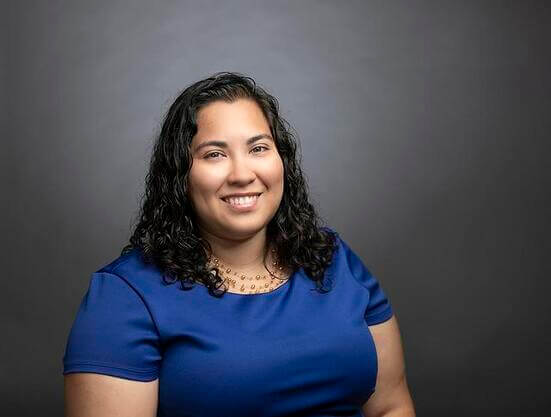
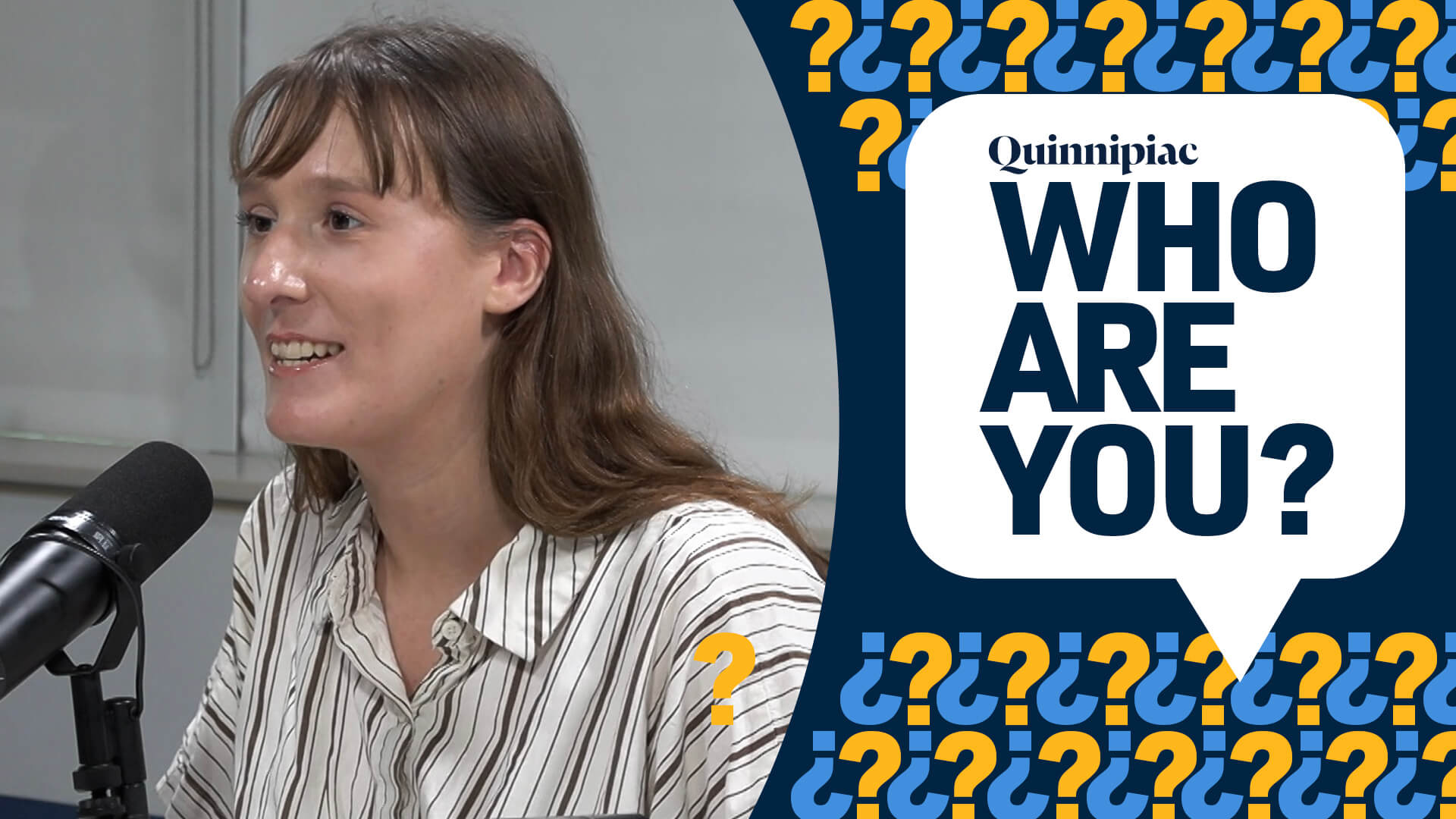
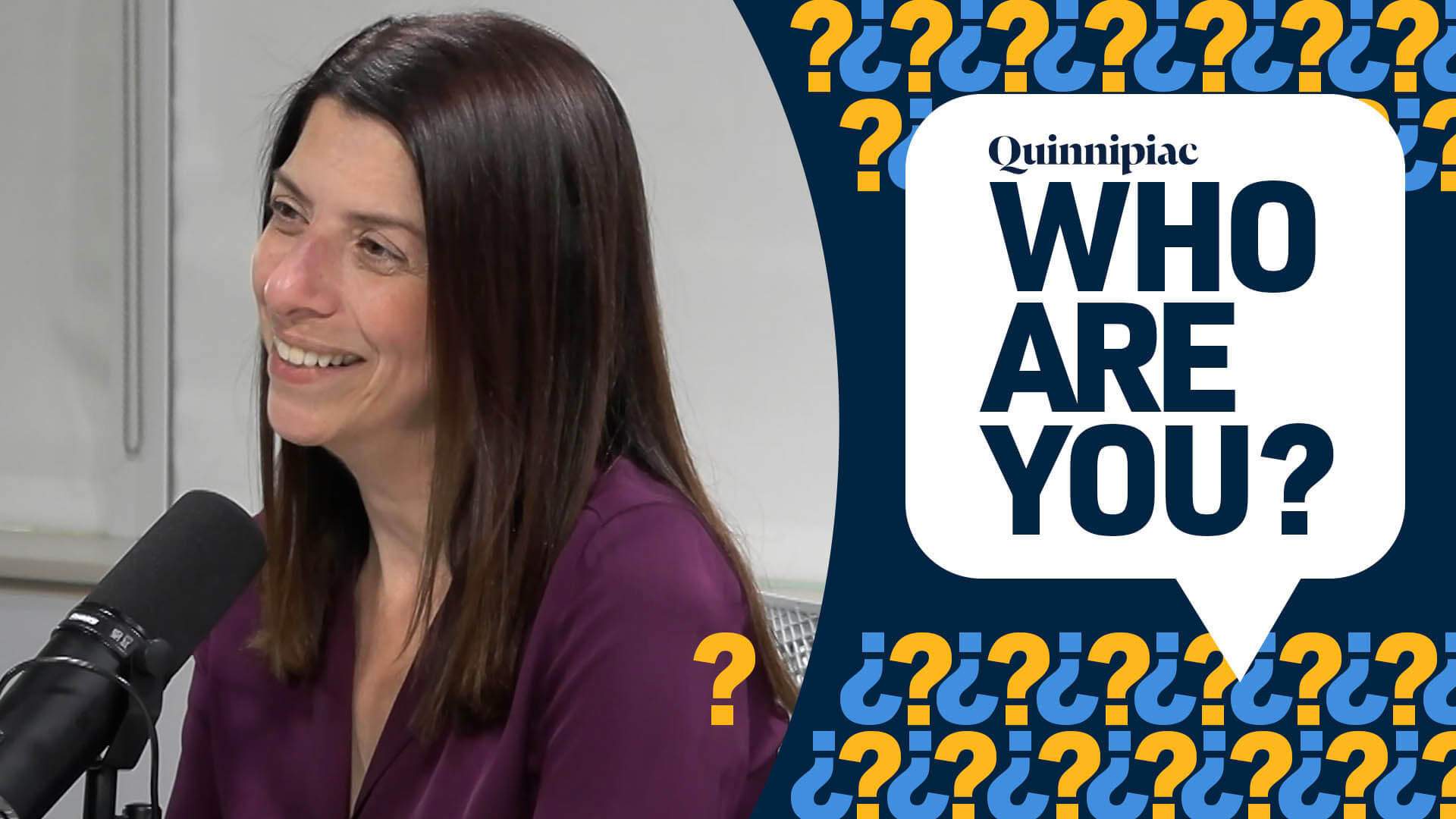
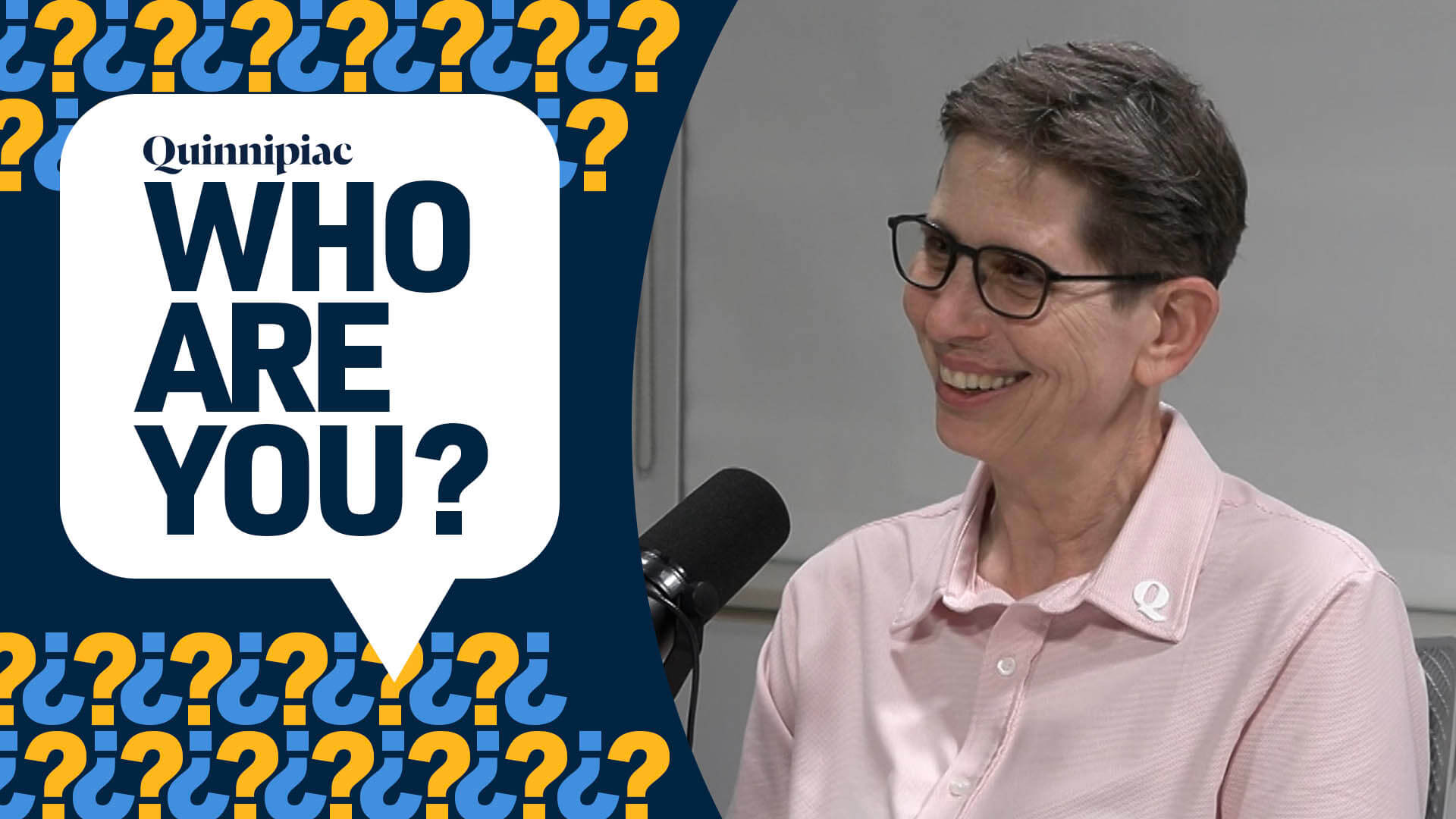
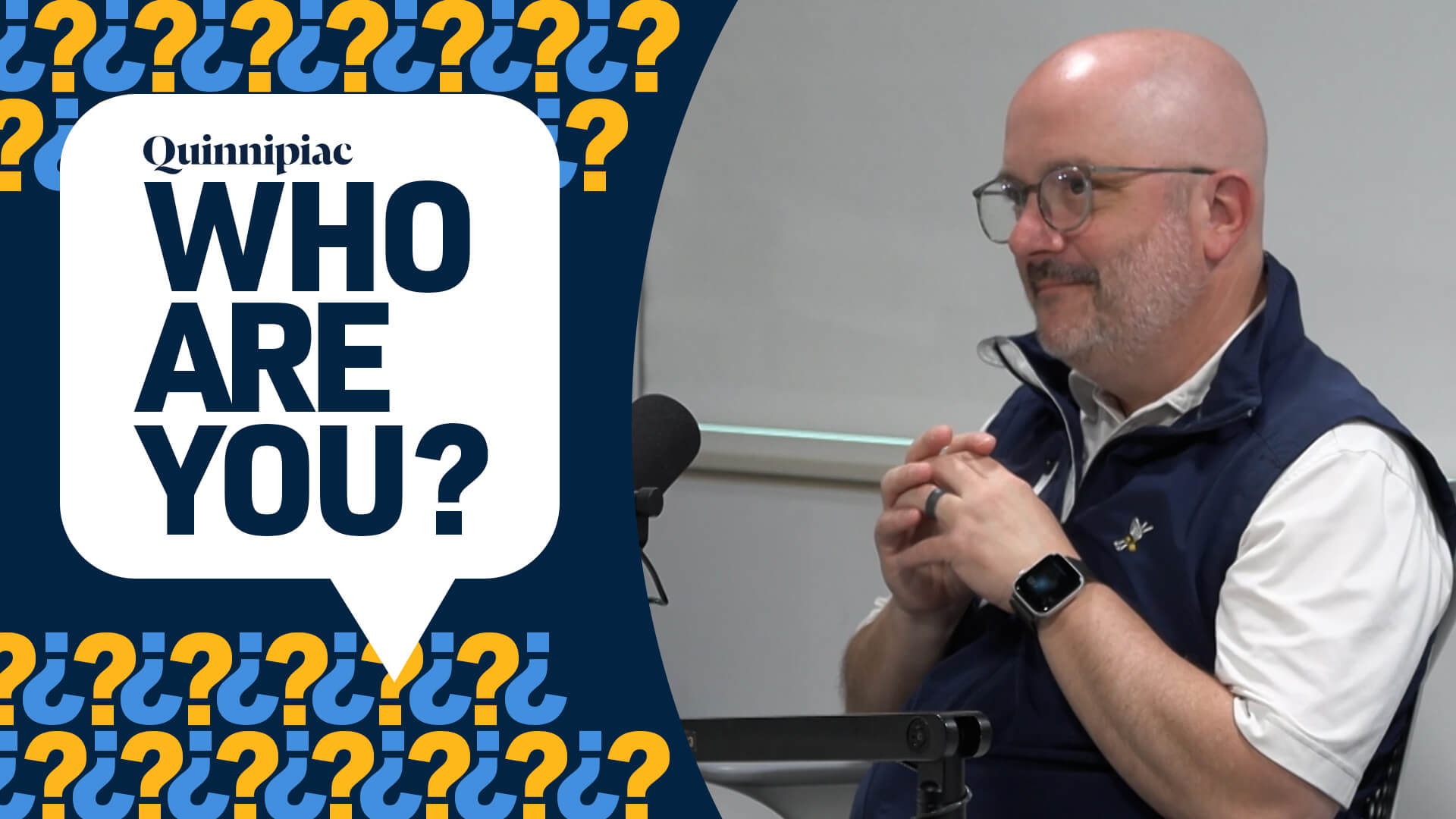
‘Who Are You?’ podcast with guest Dean Nadine Barnett Cosby
Your guide to Quinnipiac's School of Communications
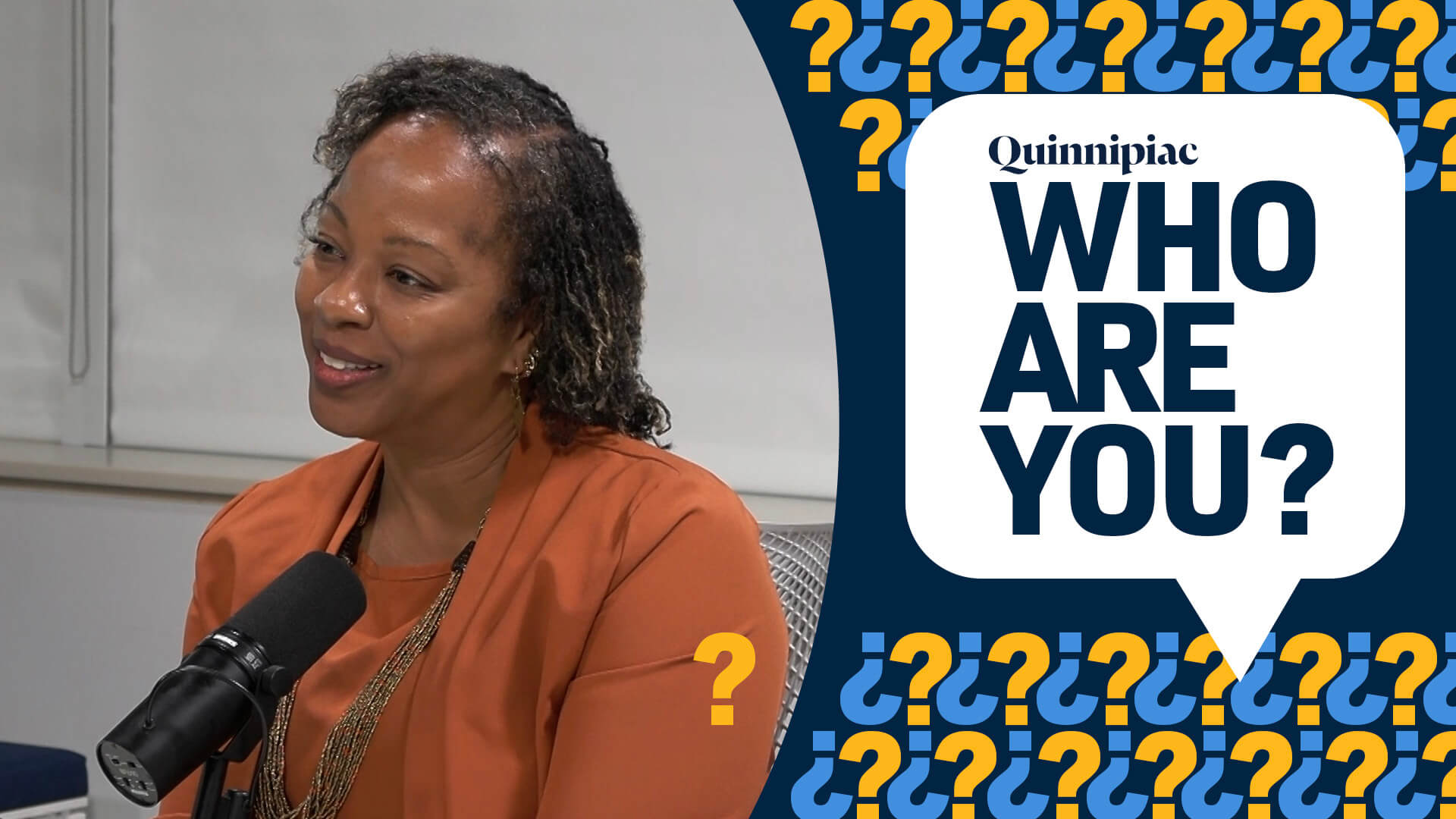
Your guide to Quinnipiac's School of Communications
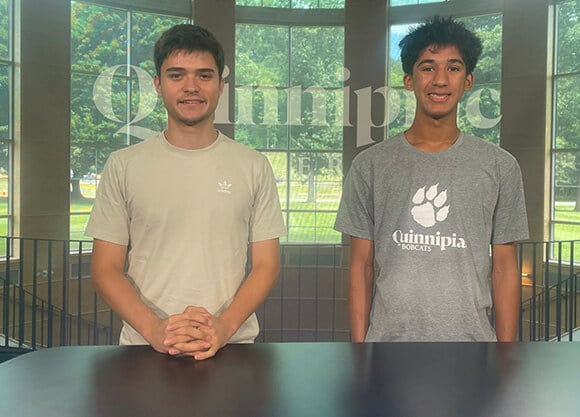
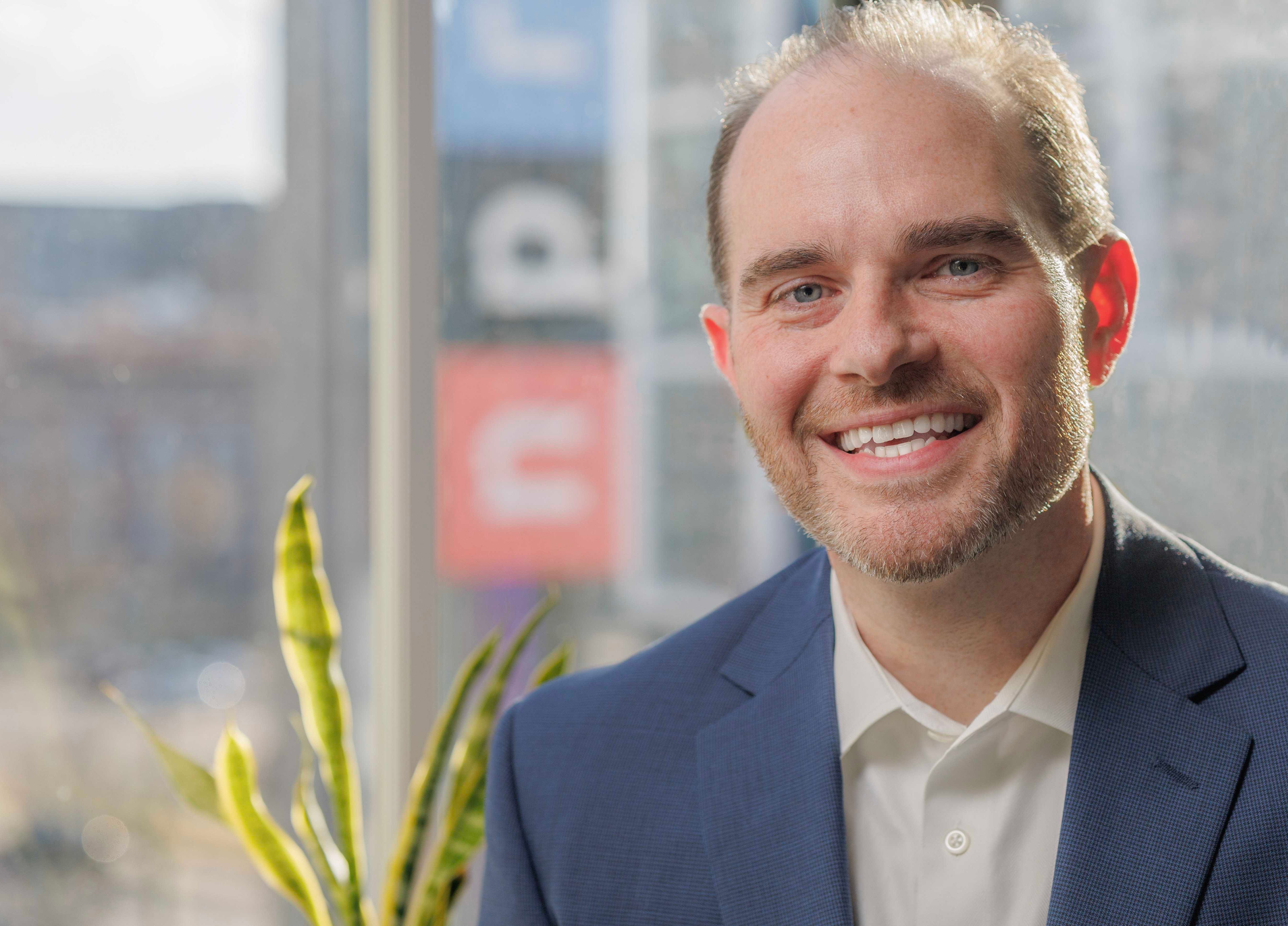
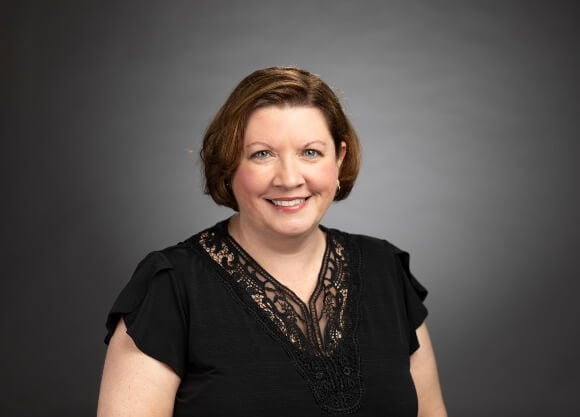
Joel Vanner: Hello, and welcome to ”Who Are You?,” the Bobcats you know, the stories you don't." I'm your host Joel Vanner inside the Podcast Studio in the School of Communications, and I'm joined today by my guest, the Dean of the School of Communications, Dean Nadine Barnett Cosby, Dean Cosby, welcome to the show.
Nadine Cosby: Thank you so much. Thanks for having me.
Joel Vanner: It's awesome to have you on the show. Finally, School of Communications very close to me as a Media Studies alum here from Quinnipiac.
Nadine Cosby: Yes.
Joel Vanner: Dean Cosby, I ask every guest the same first question, and it's the title of the show. Tell me. Who Are You?
Nadine Cosby: Who am I? As you mentioned, I'm the Dean of the School of Communications here at Quinnipiac. I'm also a wife and a mother and an educator and storyteller.
Joel Vanner: And you are here on the show today so that we can get to know a little bit about you and a little bit about the School of Communications here at Quinnipiac and maybe your visions for the field of communications. So let's get into it.
Nadine Cosby: Yeah, let's do it.
Joel Vanner: Nadine, growing up, tell me where are we? And what were your passion areas? Did you always know growing up, you would be a Dean of the School of Communications. I say that the other deans I've had many deans on the show to the other deans I've had on the show, and they all laugh and they say,
Nadine Cosby: Yeah.
Joel Vanner: "No, it kind of just happened as my journey."
Nadine Cosby: Absolutely. It's the same for me. Did I know I was going to be the dean of a school? Absolutely not. I did not even know I was going to work in higher ed. Growing up, I was always a storyteller before I knew what that word really meant. And I was very much into not only the arts and performing in terms of writing. You know, I would write screenplays and little scripts and make my friends act them out. I would be a news reporter sometimes. I just always found that really interesting. And I ended up going into the industry. So I had a 25-ish plus year history in that career, in that field before actually pivoting to education.
Joel Vanner: And when you went to college, you majored in Communications?
Nadine Cosby: I did.
Joel Vanner: How did you make that determination? And then what, kind of, were your first steps in the field of communications, which is broader now, if ever?
Nadine Cosby: Yeah, so when I went to college, by the time I went to college, I knew what I wanted to major in. It wasn't a question for me. I didn't have a communications curriculum available to me in high school, but it was still the thing that I loved and enjoyed. Interestingly, I went to a high school for math and science. It was a specialized high school. I was a smart kid, and I did really well in math and science. But I didn't love it. I didn't find it as interesting and exciting as I did writing and telling stories and looking at how stories are put together.
Joel Vanner: Numbers are so definitive, right? There's no creativity.
Nadine Cosby: Exactly.
Joel Vanner: In the numbers.
Nadine Cosby: Exactly. But there's creativity in the telling of the story around the numbers, and that was really what I always wanted to do. And in some areas, it's like, Yeah, no, you need to focus on the numbers. We don't care about the story right now. But I always wanted to tell that story. So I did go to college majoring in Mass Communications, and I was kind of open to explore the different areas, even though I will say, when I went to college, I was saying that I was going to be a news anchor. So that's kind of the area that I was focusing on initially until I realized there's so many more areas in communications, and I kind of found my passion in what excited me.
Joel Vanner: Big dreams, bright lights, thought you'd be in front of the camera.
Nadine Cosby: I did.
Joel Vanner: As a news anchor. So what experiences did you have that kind of showed you those other aspects of behind the scenes? And how did you approach those? I'm sure going to college, coming from high school, math and science into communications, obviously, an area you were really passionate about, you stayed open to those other opportunities.
Nadine Cosby: I did. I mean, I think that my openness throughout life has kind of been that guiding light in my journey. So I would allow opportunities to be able to come to me as opposed to being so headstrong in this one thing that I wasn't open to opportunities or possibilities that were presented. So how was I introduced to those other areas of communications? I would say through getting really involved in college, so I would be involved in clubs and participate in anything that would allow me, whether it's like plays or clubs would allow me to exercise some of those other areas and do behind the scenes work and not so much on-camera work. And then also internships. One of the first internships that I had, I was pretty much there to kind of shadow and learn the reporting business for television and kind of look at what an anchor does day to day and even in that experience, my interest was no longer in the person that was on camera. It was all of the people behind the scenes. And I asked a lot of questions about what they were doing. What was their title? What did that role entail? And I became really interested and excited about potentially working behind the scenes instead of on camera.
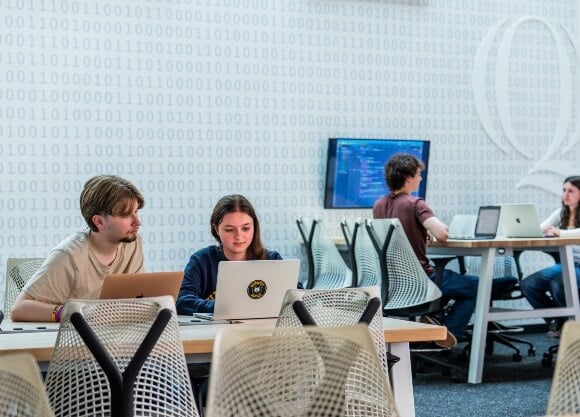
Joel Vanner: You mentioned internships and getting involved in college. Internships, we have a fantastic career development office here in the School of Communications, Lila Carney. Awesome. She's amazing. For student involvement, I should have a ticker behind me. We have over 170 plus student-run clubs and organizations, Q30 television, fully student-run television station, The Chronicle, student-run newspaper. Yes. We have yearbook, we have magazine. We have facilities in the School of Communications. We're in the Podcast Studio Ed McMahon Anyways, there's so many opportunities to get involved here in the school of communication. So I love that advice as someone who's taken advantage of that advice, it really pays off when you have that tied with your academics to paint your whole picture when you graduate and you want to get a job, right? That's why we're here.
Nadine Cosby: It does. Yeah. It's so important. I mean, it was important back then, right? When I was in college, it's even more important now because when students are graduating, it's not just about your transcript and how you did in school, right? It's like, what else did you do beyond your class projects and so on, and to be able to take advantage of so many opportunities that we have so that they are getting real world experience. I think that's critical, and that's what gives a lot of students a leg up when they become job candidates.
Joel Vanner: So going through college involvements, internships, what was your journey after college? Like, where did you start? And how did that kind of show you around the field of communications as you progressed through?
Nadine Cosby: Yeah, so the journey was really interesting because of how diverse it was in terms of the different types of jobs that I had. One of the first roles that I had after college was as a production assistant, and I did that at Madison Square Garden. And it was such a fun and amazing position to have, but it was also really hard. So many interesting things about that. Of course, Madison Square Garden is predominantly sporting and live events like concerts and so on. So thinking about the concert aspect of it, a lot of fun for a recent grad to be working on these.
Joel Vanner: Sure.
Nadine Cosby: Concerts and to be attending sporting events and so on. I worked a lot for Knicks games, so I would have to be there for the games in addition to all of the planning and so on that went in ahead of time because operations kind of controls a lot of the visuals and the fan experience at the events. I also did so for hockey games, which was interesting because when I accepted that position, I knew nothing about hockey. But I knew that I could learn and I was willing to learn. So that's why I was open to that. From that, I kind of went into television and a little bit more in terms of the production and operations behind the scenes. I've worked for a few different television stations and or networks. I'm a New Yorker. So I worked for Fox 5 Television in New York. I worked for ABC Network. So I was working for the National Network, not the local station at the time. I worked for Lifetime Television, the cable network. So these are very different types of media outlets, and they focus on different audiences and so on. So I was able to learn so much from the variety of experiences I had.
Joel Vanner: With those variety of experiences, learning different things along the way, there came a point where you decided to transition into academia.
Nadine Cosby: Yeah.
Joel Vanner: What was that turning point for you? Was it something you experienced? Was it something someone said to you? Maybe a job that landed in your email? What was that transition like for you?
Nadine Cosby: I think it was a combination of a couple of things. So I was kind of an accidental academic. So initially, I think the combination of working with younger people um, who were recent college grads or even working with interns and kind of seeing where there may have been some gaps in their knowledge and their experiences and doing a lot of training and then being told that I was really good at that. But also, kind of, at that time, I had started to freelance. I was, you know, I had made a couple of independent short films, and I was exercising that storytelling um, part of my brain that I really wanted to get back to. And in doing that, I just, you know, several people had either recommended that I think about teaching because of how detailed I was and the way I would kind of walk people through the projects that we were working on. And I don't want to call it a fluke, but just kind of one day I decided that I would apply for an adjunct position. It was at an institution that was really close, probably about a mile from my home. I had gotten one of my master's degrees there, so I decided, why not give it a shot? It would be convenient enough because I wouldn't have to travel really far. And that's where the experience started for me.
Joel Vanner: So here, Quinnipiac is our Dean of the School of Communications. I know about the school, but tell our listeners about the school, some of the things that make it unique here in the School of Communications.
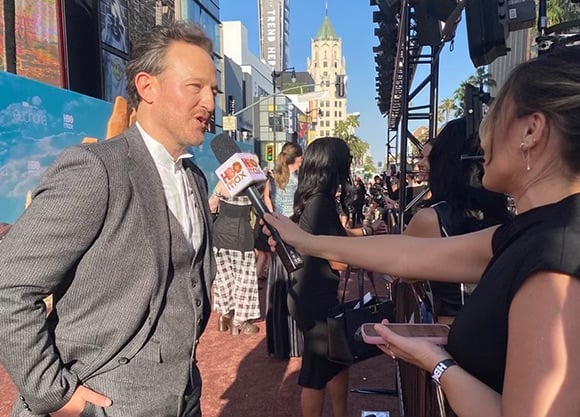
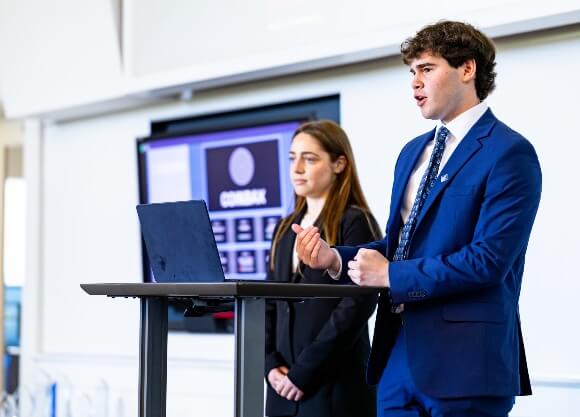
Nadine Cosby: So I think we have so many different programs, but I think under the umbrella of the School of Communications, we are really the perfect combination of great curriculum. You know, there are choices that students can make in terms of what they major in within the School of Communications. But then also, I think it's all of our unique programs and extracurricular activities that make it really distinct in terms of schools. I mean, to name some, we have so many opportunities for students to kind of get that experiential component and really engage real world clients, organizations, and so on. The Agency is one of those that comes to mind. So The Agency is our student-run communications firm here in the School of Communications. So each year a group of students are selected, they have to apply to be part of The Agency. And under the guidance of two professors, they take on real clients from outside, right in the real world, and they create content. They produce content for the clients depending on what their needs are, and that could anything from working on their websites to creating social media for them. So it's a chance for students to really engage and work directly with clients. And then we also have opportunities for our students to do full semester internships. One of the locations is in LA in our QU in LA program. So in QU in LA, our students, they go and live in LA. We have a full time director out in LA, and they work full time. They have internships. And in addition to that, we curate curriculum and other kind of engagement opportunities for them so that they're fully immersed in the culture. And in the communications industry while they're there for a semester.
Joel Vanner: And within those programs, we have such experienced faculty that could be on the news the night before and the next morning, they're in front of you teaching the course, and you're learning from them and they're learning from you and you're completing projects together in the course. Can you tell us a little bit about the experience of the faculty in the School of Communications and what excites you as the communications field is always changing with the work that they're doing here with students?
Nadine Cosby: Oh, absolutely. I think that's also one of the things that makes us truly special as a School of Communications. I mean, we have faculty that are out there in industry doing the things that they're teaching about, and that's not always the case when you look at the study of communications. So we're really proud of that. Our students are better because of that. On any given day, we have faculty who are either, you know, we have faculty in our Film, Television, and Media Arts program who have their work screened at film festivals, have their work streaming right now, and then they're in class, you know, teaching a class the next day. We have in Media Studies, for example, we have faculty that are publishing some amazing research on different areas of the field, you know, we have in Sports Communications, faculty, you know, our director of the program is constantly bringing in guests from the sports communications industries to talk directly to our students, and they give the students an opportunity to network with professionals. We have faculty in Public Relations who are winning awards for ethics and teaching, are publishing great research on public relations and other areas of communications, organizational communications, financial communications. I mean, you name it across the board. Our faculty are out there doing the work that they're talking about in class every day, and I think that makes if I can say superior to faculty you might find in lots of other schools and programs across the country where you might get a great education, but not that direct experience related to the industry that you're studying as a student.
Joel Vanner: It's all happening here. We actually had Nick Pietruszkiewicz from the Sports Communications world on an episode of the podcast. So Sports Communications anyone, give that podcast a listen, also former ESPN'er. So we talk about how they're staying up to date in industry. I actually adjuncted a Media Studies course: "Is AI Taking Over?" A MSS-240 course. Highly recommend it. But when I was teaching that course, I was really interested at how critically we're looking at transitions in the communications world. In that course, it was AI specifically. Yes. But at how well our students are getting educated about those transitions and how much they're interested in learning about that because it's going to impact them when they get out into the workforce. So in your perspective opinion as the Dean of the School of Communications, how are we keeping up to make sure that our students are well adjusting to those trends that are happening now, and then the ones that haven't yet been written? Which scares me to say, but it's going to happen.
Nadine Cosby: Yeah, and that's what's so hard about communications in general, right? Because at any given moment, we're creating curriculum that's a bit predictive. We're trying to predict the future and then match it before it even happens. You know, we don't have the luxury in communications of kind of waiting around to see what's trending before we start to craft our curriculum to reflect what's happening in the industry. And that's something I'm really proud of. I would say, across the board, all of our programs, again, we have faculty that are working in the industries that they're teaching. That goes a long way in helping us to make sure that our curriculum is always current, always relevant. But then with all of the other kind of external partners that we have, we're able to talk with and see what's going on in the industry, for our clients that we take on for The Agency. I have an Alumni Advisory Board for the School of Communications that are all working in different areas of communications and media and they also serve as advisors and kind of allow us to pick their brains, ask questions about what's going on in the industry, what's trending. So it's a huge part of what we do. We try to make sure we know what's going on and we keep our curriculum current.
Joel Vanner: I think one of my favorite parts about the School of Communications is when a student gets ready to graduate, they have actual things, right? They have a reel, they have a portfolio, they have a website, a platform. Whatever it may be that they assembled throughout their time in their program that they can give to a potential employer to showcase their work. And that's part of the program, right? It's not something extra. That is part of the program to help them when they graduate here from Quinnipiac.
Nadine Cosby: That's right, and I think it's important that it's not an aside, right? That should inherently be a part of the program. When students graduate, we want them to be prepared, be ready for work, be ready to function in a professional environment. And that's actually the majority of the feedback we get from our employers, for our students who do internships, which is the vast majority of our students. That they're so skilled, they're ready. They're professional, and we really take pride in that. And I think a lot of that is due to the fact that we embed those kinds of professional functions and competencies into the curriculum, and we have students track what they're doing and create that portfolio or that professional profile in which they're able to display the kind of work that they've already done.
Joel Vanner: My next question to you would be advice to a student who may want to pursue a career in communications? For Quinnipiac specifically, attend an open house, attend an information session, do the Be A Bobcat For A Day program through the Office of Admissions. That's how I came here. I shadowed a communications student. She took me around to all her classes. We had lunch together. We went to Q30 together, showed me the experience that you would get here.
Nadine Cosby: Yeah.
Joel Vanner: So in addition to those, what advice would you give someone who's maybe looking for a career in communications and considering Quinnipiac for that?
Nadine Cosby: Well, one thing I would say is that again, what makes us unique is that there's so much to explore, and we really encompass all areas of communications. So even if a student thinks, "I kind of think I'm interested in Communications, but I'm not quite sure what I want to do," that's the ideal student for us because naturally throughout our curriculum, they will take a little bit of everything so that they understand the different areas of communications, which I think is where most students are starting. So we're not a school that says you have to come in knowing what you want to do. You just have to get here. We help you explore and figure out exactly where those skills, where your interests, your passions, the competencies that you have, where they're leading you, what your journey could look like in terms of career outcomes after graduation. But I think the other thing too is that communications is not just for communications majors. There isn't an industry out there that doesn't have communications as an inherent part of that industry. It's a needed skill. It's actually on the list of most desired skills. From employers, and that's in every area from finance to science and medicine. So we're here not only for students who know they want to go into communications and media, but we also offer courses that will benefit any student as they go into whatever professional field they might want to pursue.
Joel Vanner: And while, it can come close, sometimes AI can't replace human creativity and connection and the art of communication that one would learn here.
Nadine Cosby: Truly, I'm not even sure how close it comes, honestly. There are great things that we can do great efficiencies, I guess, that we experience because of AI, but the one thing that AI can't be is human. I think that's the strength of our careers as well. We don't feel as threatened by AI in some instances because we know that all of those employers, all of those companies and organizations out there, individuals and brands, they need someone who can tell their stories from a human perspective that other human beings will be able to relate to.
Joel Vanner: Very well said, Dean Cosby. Thank you so much for joining me on the show and sharing your story and all about the School of Communications.
Nadine Cosby: Thank you. It was a pleasure.
Joel Vanner: If you enjoyed today's episode, be sure to subscribe and share and find other episodes on Apple, Spotify, and YouTube. Until next time when I ask my next guest, "Who Are You?" I'm Joel Vanner, bye for now!





Quinnipiac Today is your source for what's happening throughout #BobcatNation. Sign up for our weekly email newsletter to be among the first to know about news, events and members of our Bobcat family who are making a positive difference in our world.
Sign Up Now