



Quinnipiac expert faculty leads teach-in on Israel’s consequential elections
October 29, 2026
October 29, 2026

Held during Common Hour on October 27 in the SITE Auditorium, the teach-in was co-sponsored by Quinnipiac’s Albert Schweitzer Institute alongside the departments of history, political science and philosophy.
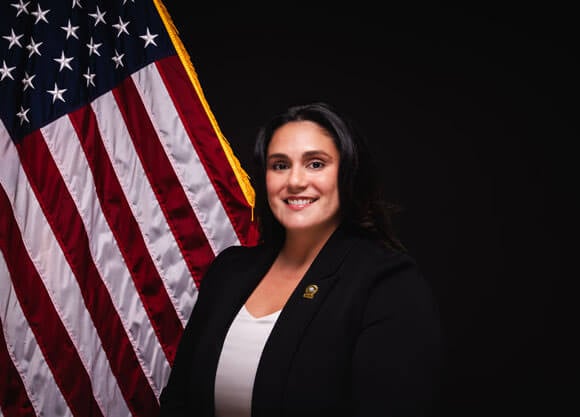
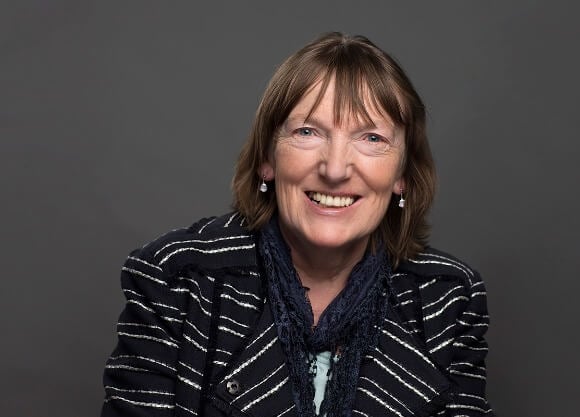
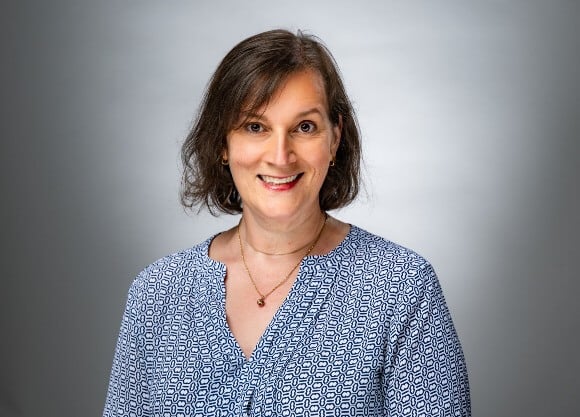
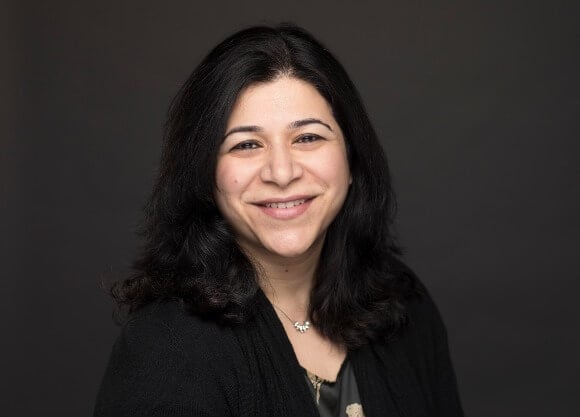
Moderator Candice Travis, director of the Schweitzer Institute and assistant professor of political science, welcomed the teach-in’s three faculty experts including Anat Biletzki, Schweitzer professor of philosophy and women's and gender studies; Nita Prasad, chair and professor of history; and Genevieve Quinn, professor of political science.
Highlighting the day’s extraordinarily high voter turnout in Israel, Biletzki noted a portion of the surge could be attributed to Palestinian citizens of Israel, who make up roughly 20% of the voting population, but historically turn out at a rate of about 10%.
In outlining the Israeli political framework, Biletzki explained how Israel’s 120-seat Knesset is based on a proportional representation system in which citizens vote nationwide for a party list rather than regional candidates.
Crucially, she also clarified a common misconception about forming a government: Power is not automatically awarded to the party with the most seats, but rather to whichever leader can then successfully negotiate and assemble a majority coalition block.
Biletzki explained how the core dynamic of the election’s multitude of parties revolves around a heavily personalized contest over current Prime Minister Benjamin Netanyahu’s future, dividing the electorate into pro-Netanyahu and anti-Netanyahu (“change”) alignments alongside a deciding share of unaligned seats.
Beyond the immediate race, Biletzki also emphasized the broader “elephant in the room” — the Palestinian question. While high turnout among Palestinian citizens of Israel could theoretically sway election results, internal Israeli political dynamics and public opinion continue to pose significant obstacles to their full inclusion in coalition politics, leaving the fundamental relationship between Jewish citizens, Palestinian citizens and non-voting Palestinians in the occupied territories largely unaddressed during these elections.
Biletzki also discussed the pivotal elections tipping point due to ongoing occurrences in this war-torn region since 2023.
“Since the last election four years ago, Israel has experienced events that have been traumatic on a historic scale,” Biletzki said.
Following the October 7, 2023, massacre of Israeli Jewish people by Hamas, the region was thrust into devastating wars in Gaza and Lebanon, alongside direct military confrontations with Iran supported by the United States. Biletzki noted this period has seen an unprecedented, catastrophic loss of human life across Israeli, Lebanese and Palestinian communities, including tens of thousands of Palestinian casualties in Gaza.
Due to Israeli military actions unfolding entirely under the Netanyahu administration, public dissatisfaction has peaked, with polling consistently reflecting that 60% of Israeli citizens favor a change in leadership.
As a result, this election cycle serves as a fundamental referendum on Israel’s future identity, Biletzki explained.
“What it says about Israelis wanting to be democratic, wanting to be Jewish-Palestinian, wanting to somehow let go of the most painful history that has come to such a crescendo these last three years, is what they are voting on and what we are going to be seeing in these elections,” Biletzki said.
Prasad set the stage for understanding current Israeli policies by providing a historical backdrop on the region’s changing territory and communities. She traced developments impacting the former Ottoman and British Mandatory Palestine from the mid-1800’s through to the establishment of the State of Israel in 1948 and into present-day government decisions affecting Palestinians in the West Bank and Gaza.
Quinn concluded the discussion by examining U.S.-Israel relations and their potential impact on the elections. Her analysis traced the history of U.S. foreign policy in the Middle East back to the 20th century while also outlining the mechanics of congressional policymaking and strategic bilateral ties.
During the audience Q&A session, the panel explored strategies for cultivating a more informed campus community. Prasad said education is key, emphasizing that foundational knowledge is essential for meaningful dialogue. Prasad said events such as the teach-in, combined with students from all disciplines taking an interest in classes which discuss this topic, can help to raise awareness and understanding.
“Take some history classes, take some political science and philosophy classes on this. I think that’s the first step — education,” Prasad said. “No matter how apolitical the community may be, we can all vote and encourage your friends to vote. That is political action.”
Quinn observed one of the most valuable aspects of her classes is the shared willingness among students to engage in difficult conversations with their peers.
“When we broach these issues, people might have very divergent positions, but there’s always an environment of learning and respecting another person’s vision,” Quinn said. “Students can learn from each other, and that can go in both directions. I think just trying to have these difficult conversations with your peers is really important.”
Bringing the session to a close, Travis synthesized their advice into five key takeaways for the audience.
“I’m hearing learn, discuss, listen, act and vote,” Travis said.

Want to learn what Quinnipiac is all about? We invite you to join us at an Open House, where our students, faculty and staff will introduce you to life as a Bobcat through a variety of sessions and tours.













Quinnipiac Today is your source for what's happening throughout #BobcatNation. Sign up for our weekly email newsletter to be among the first to know about news, events and members of our Bobcat family who are making a positive difference in our world.
Sign Up Now