



Professor explores film’s impact on society at AAUW meeting
September 14, 2026
September 14, 2026
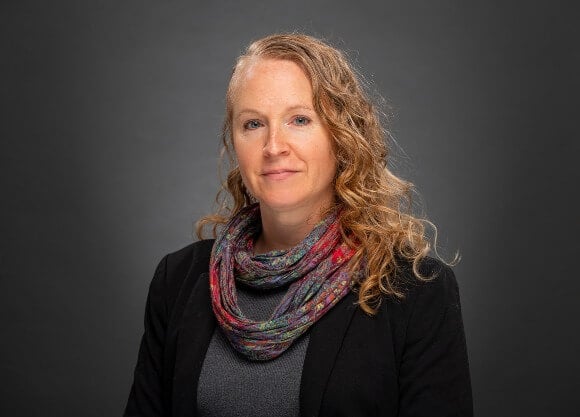
Schmitt modeled the talk after how she teaches her students films' impact to create a digestible and moving presentation. After all, Schmitt was presented the opportunity to speak at AAUW thanks to her expertise on film and her firsthand experience on how students consume social problems through film.
"My hope is that students understand the power they have as world shapers, since film is such a powerful tool to shape the minds and behaviors of its audiences," she said.
At the beginning of the talk, Schmitt introduced the framework needed to understand cultural studies in film. Audiences were informed that television and films either reinforce or resist inequalities in modern society. Whether it be racial injustices, gender inequalities or other prevalent issues in the modern world, films and television make a statement. Think of films like "Barbie," with its clear feminist message, or "Wall-E," a children's movie about the effects of ignorance around climate change and capitalism.
Millions of people have consumed these films and have subconsciously been influenced to think a certain way around certain topics. Schmitt incorporated examples of films into her talk — clips that justify inequalities brought about by racism and sexism and clips that motivate the audience to make changes in society by highlighting different problems rooted in reality.
Schmitt continued her talk by introducing the audience to various social impact campaigns, plans that create the change films hope to inspire.
"Social impact campaigns move audiences from social awareness, changing hearts and minds, to measurable actions they can take on a social issue: volunteering, donations and joining a movement," she said.
Schmitt hoped to convey to attendees how films play a role in their outlook on the world and to be aware of the content they consume. By becoming aware of how films play a role in our worldview, audiences are less likely to become accustomed to the injustices they see in film and, by association, in society.









Quinnipiac Today is your source for what's happening throughout #BobcatNation. Sign up for our weekly email newsletter to be among the first to know about news, events and members of our Bobcat family who are making a positive difference in our world.
Sign Up Now