


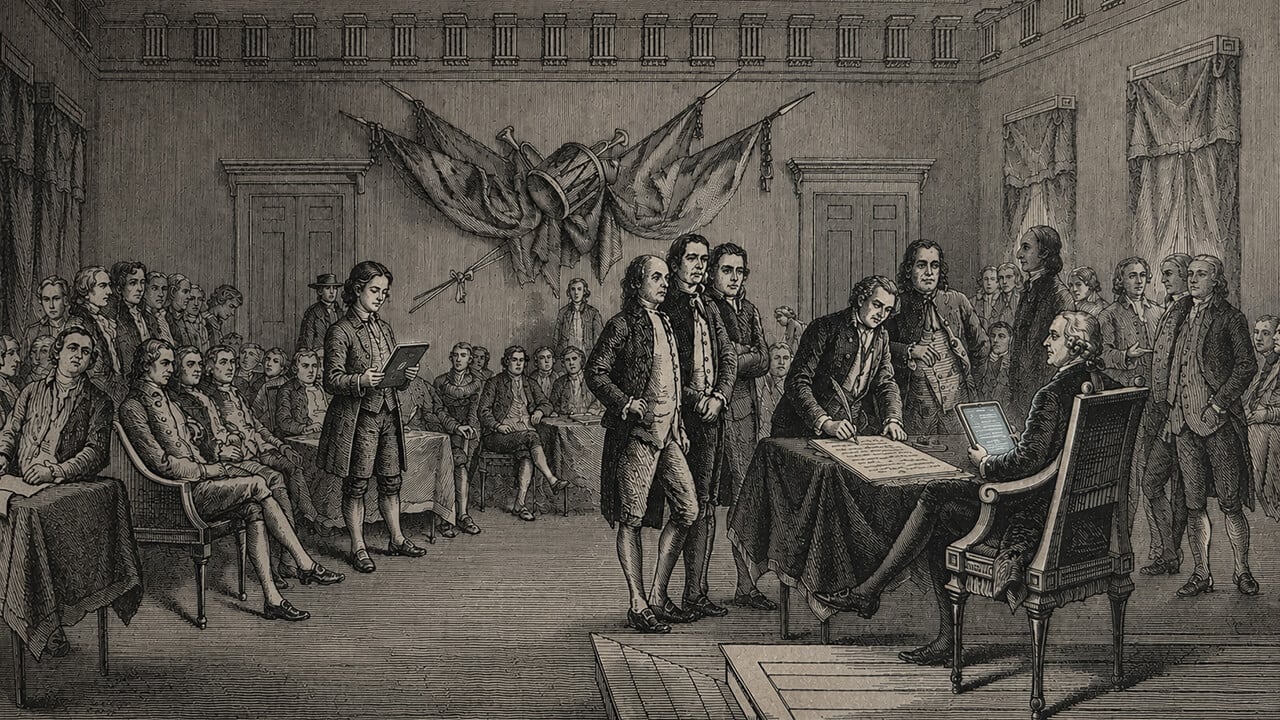
Quinnipiac journalism chair Ben Bogardus reflects on the press and democracy as America turns 250
June 29, 2026
June 29, 2026
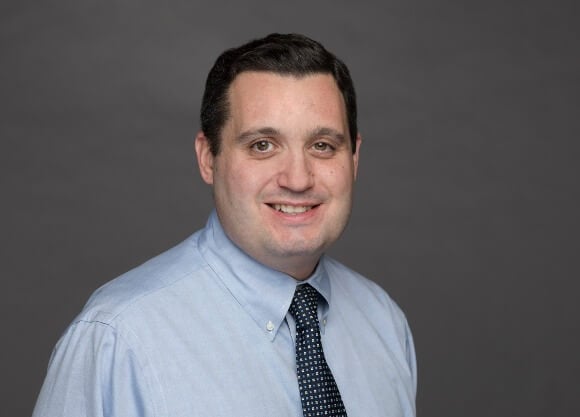
“Journalism is really the only profession that's mentioned in the Constitution — the First Amendment mentions freedom of the press. No other occupation was deemed crucial or essential enough to the development of this new republic than people who were going out as journalists and reporting on facts,” Bogardus said.
Protected by the U.S. Constitution, American journalists report facts without government control, serving as a vital check on power while keeping citizens informed.
“The idea that’s ingrained in the American ideal is that you do need a free press — one that is not controlled by the government and does not have the government watching over it — to be able to share information about what’s going on,” Bogardus said. “The founders believed that for the republic to thrive, there had to be checks and balances. There had to be people watching over what the government is doing, and people needed to be educated about what is going on in order for this new experiment to succeed.”
The founders understood this constitutional system of checks and balances required not only establishing the branches of government but also developing the presidential electoral process — later called the Electoral College — and including the press as an independent watchdog. Since that time, the concept of a free press has remained in the American psyche, Bogardus said.
“It really is part of the American ethos to have a free press whose job it is to watch over the government. Even when there are politicians or people who don’t agree with what the press is saying, part of the idea of free speech is that the best remedy for speech you don’t like, is more speech,” Bogardus said. “It’s the ability for people to have their own say as part of the idea of what good government should be. There should be someone out there who is giving a contrary position.”
In this rapidly evolving world of digital platforms, freedom of the press encourages people who disagree with the mainstream narrative to readily create their own media outlets and exercise their freedom of speech. Bogardus said we see this play out with independent journalists and social media influencers who talk about political issues.
“When the country was being founded ‘press’ literally meant being able to print off flyers. Now, anyone can do it. It’s never been easier to reach a mass public through various media ways — social media, podcasting or blogs,” he said.
The defining challenge for modern journalism is distinguishing its work from the broader, unverified media landscape. While social media influencers can operate with questionable reporting standards, journalists from legitimate organizations must actively prove their unique value to the public by demonstrating an unwavering commitment to accuracy, fairness and strict ethical standards.
“We want to encourage people to know the difference between the random influencer and the journalist who has taken on the responsibility of that name to use the platform in order to promote things which are fair and are true and unbiased,” said Bogardus.
Before joining Quinnipiac in 2010, Bogardus produced television news in Washington, D.C., Houston, Texas and Jacksonville, Florida. His work was recognized with a national Edward R. Murrow award for best breaking news coverage, and an Emmy, regional Edward R. Murrow, and two Associated Press awards for best newscast.
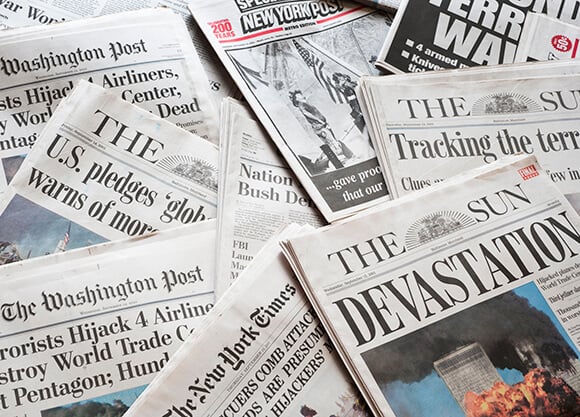
At Quinnipiac, Bogardus has created two award-winning podcast series — "Reporting on 9/11," a narrative documentary series about journalists who covered the September 11 attacks; and "Hunger in Hamden," looking at the ways people are fighting hunger and food insecurity in Hamden, Connecticut.
His peer-reviewed work has been published in journals and major industry trade publications. His opinion pieces have been published in the New York Post, New Haven Register and Connecticut Mirror.
Just as the Constitution guarantees a free press, it guarantees the right of free speech to criticize it, Bogardus said.
“People think it’s just the current model of journalism that’s looked down upon by the government and people who disagree with some of the things that journalists print, but that’s always been the case,” Bogardus said. “There’s never been a time when there hasn’t been a sort of acrimony between people who print something and people who disagree with it.”
Today, this dynamic has simply become more visible, especially with social media providing an amplified platform for anyone to share their view. While this shift is neither inherently good nor bad, the importance of good journalism has not changed, Bogardus said.
“It’s incumbent on the journalist to make it clear that our reporting is at a higher level, at a more ethical level, than what you may find among random people on social media. If you are looking for information, it behooves people to seek out legitimate journalism organizations in order for them to be more educated on the topic,” said Bogardus.
Bogardus also cautions we must be careful not to look back through rose-colored glasses at the press of the past. For example, the 1800s and 1900s were dominated by a highly partisan press and some remnants still exist.
“People want to look back and say things were simpler, people believed what they read. These influencers had their own papers to print,” Bogardus said. “The idea of ethical journalism is really a modern ideal. It’s something that people say they want to have because it is valuable, but it is something that was not always here.”
Moving through the 20th century and into the 21st century, journalism came to be no longer defined by traditional print, radio news or nightly television broadcasts. Today, it requires meeting audiences where they are: in the social sphere.
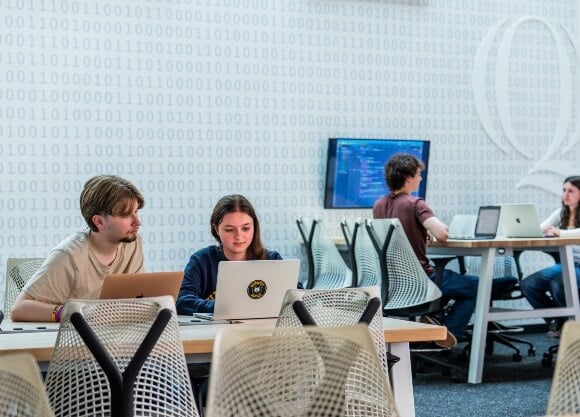
At Quinnipiac, the School of Communications has expanded and revised several academic offerings to better align essential professional competencies with the rapidly evolving communications world. Because social media is a fixture of modern life, the journalism curriculum leans into social media reporting and visual journalism, training students to report ethically and effectively using data, video and photography specifically tailored for digital audiences, Bogardus said.
“We are teaching journalists to report correctly and ethically in that modern social sphere,” he said.







Quinnipiac Today is your source for what's happening throughout #BobcatNation. Sign up for our weekly email newsletter to be among the first to know about news, events and members of our Bobcat family who are making a positive difference in our world.
Sign Up Now