


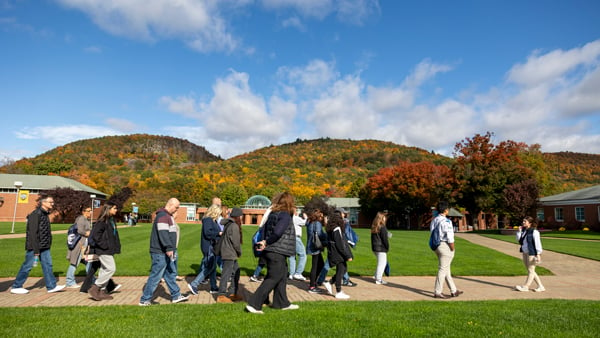
Attend an Open House
Want to learn what Quinnipiac is all about? We invite you to join us at an Open House, where our students, faculty and staff will introduce you to life as a Bobcat through a variety of sessions and tours.
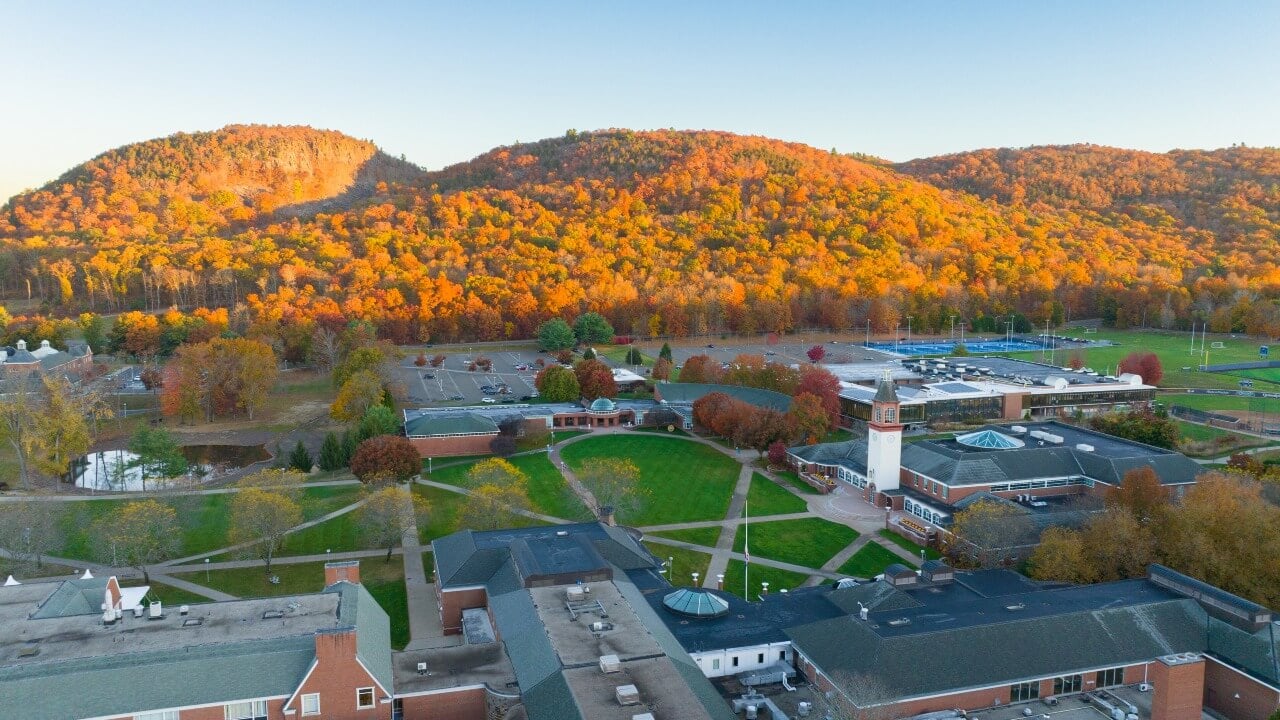
The accolade adds to recurring honors for Quinnipiac as a top Green College for environmental commitment, a Best Northeast College for outstanding academics, Best Athletic Facilities (No. 25 nationally), and Best Undergraduate Game Design program (No. 21 nationally and No. 7 in the Northeast). The Princeton Review released “The Best 392 Colleges: 2027 Edition,” last month.
“Our consistent national recognition paired with the 'Great Outdoors' achievement signals a university direction where academic excellence and holistic well-being are intentionally unified to prepare the whole student for future success,” said Annalisa Zinn, vice president for academic innovation and effectiveness.
Provost Debra Liebowitz said the breadth of these recognitions tells an important story about Quinnipiac.
“Excellence here extends beyond any single program or ranking. It is reflected in our commitment to academic rigor, innovation and a student experience that integrates learning, personal growth and community. Our unique location, with unparalleled access to major cities and industries alongside the natural beauty of Sleeping Giant State Park, further enriches that experience. Together, these attributes prepare students for successful careers and lives of purpose and impact,” Liebowitz said.
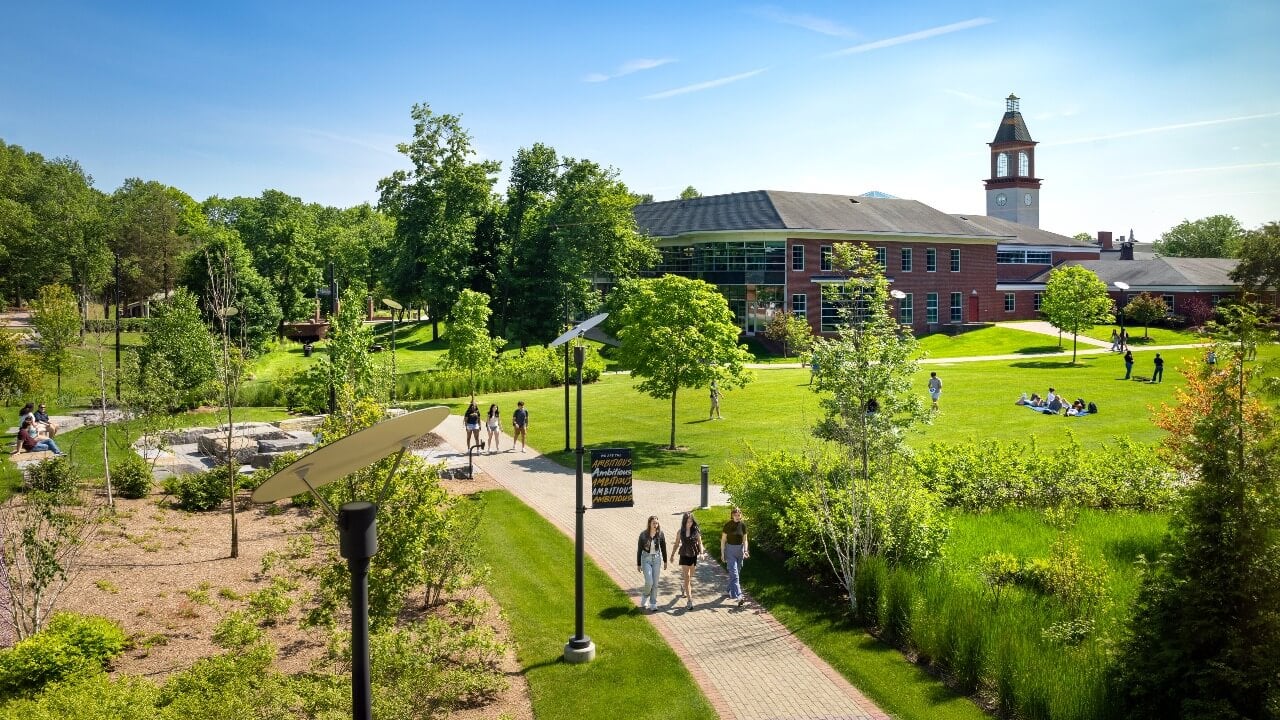
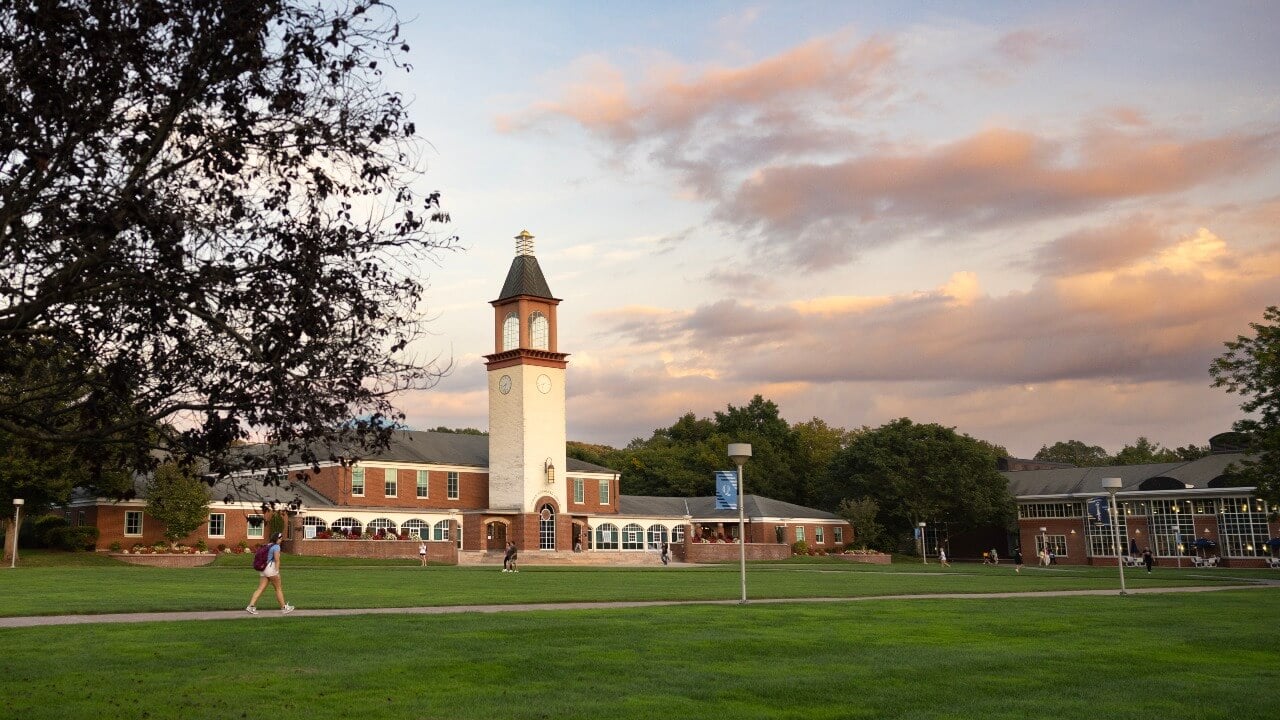
With its scenic Mount Carmel Campus tucked beside Sleeping Giant State Park, Quinnipiac has a legacy of celebrating the natural beauty of its surroundings. Looking at key factors contributing to Quinnipiac’s remarkable Great Outdoors ranking debut, Director of Recreation David Hall said the addition of the purposefully designed Recreation and Wellness Center (RecWell) in 2023 further leveraged student awareness of Quinnipiac’s many outdoor recreation and wellness opportunities.
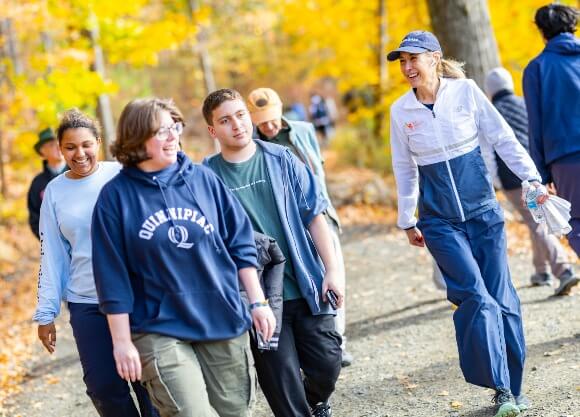
“One of the main initiatives of building the RecWell was to create and grow an Outdoor Recreation program. We now offer approximately 12 outdoor adventure excursions per year where our students hike, bike, camp, raft and enjoy Sleeping Giant as well as other venues in and around our beautiful campus. This provides a unique wellness experience for our student body,” said Hall.
Hall said Quinnipiac’s institutional support of RecWell’s intentional facility design has been deepened by Assistant Director of Recreation Emily Foertsch’s focus on outdoor recreation programming. He said Foertsch’s strong work connects students with the area’s rich outdoor resources, as well as through other outdoor trips and excursions co-led by student leaders hired and trained by Foertsch annually.
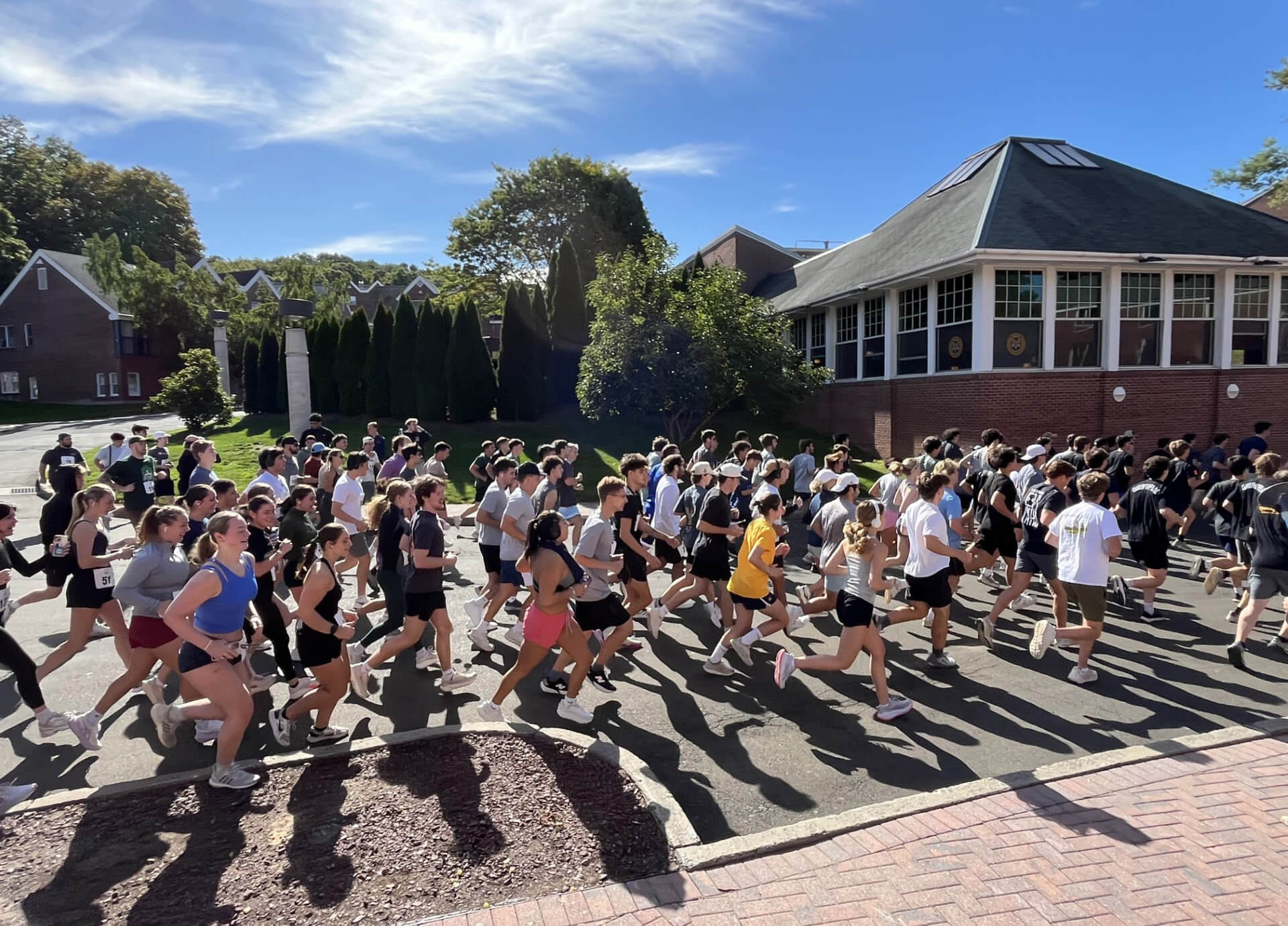
Hall also noted that Quinnipiac’s Outdoor Recreation programming supplements the long-embedded and quality work of Director of Fitness & Well Being Tami Reilly. As a result, over 83% of the student body currently participates in Quinnipiac recreation, fitness and wellness offerings, an all-time high for the university.
Hall feels several components of these combined programs have contributed to vaulting Quinnipiac into Princeton Review’s top national ranking for Great Outdoors. These include Outdoor Recreation program day hikes and camping initiatives led by Foertsch which expose students to the environment around them and Reilly’s work to inspire students with fitness and wellness classes in RecWell’s Studio Strong, which features a movable glass floor-to-ceiling wall.
“This provides an opportunity to use a deck overlooking Sleeping Giant State Park while partaking in a wide variety of fitness classes. Very few universities have any feature like this,” said Hall.
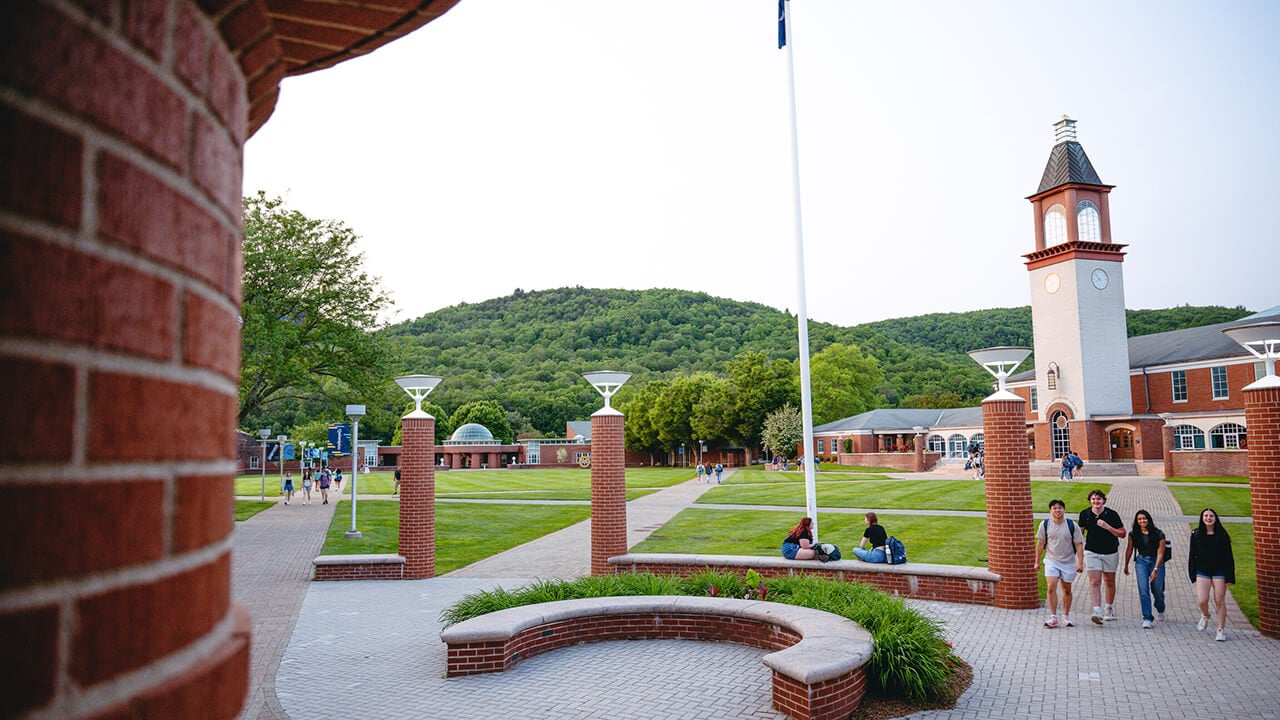
RecWell’s impressive, windowed walls frame panoramic views of Sleeping Giant State Park and the sweeping landscape of the Mount Carmel Campus and Quad. Hall and Reilly said they feel these scenic outlooks, paired with the building’s beautifully designed indoor and outdoor spaces, have also contributed to the new ranking. To bring nature’s beauty inside, RecWell features live plant walls and an open-air courtyard in the heart of the building. RecWell’s natural surroundings invite students to enjoy outdoor seating, green spaces, an amphitheater and fire pit, all of which are heavily utilized.
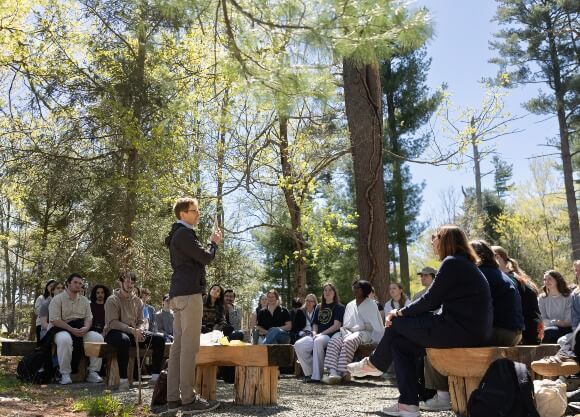
“Students can often be found studying and connecting in our amphitheater surrounded by our beautiful rain garden,” Reilly said. “We were very intentional when we built our new RecWell space to include as many natural elements as we could to help the students feel connected to the environment. We also take full advantage of Sleeping Giant State Park as often as we can by programming wellness events like forest bathing [mindful immersion in nature], Reflective Hike to Wellness and creating nature art.”
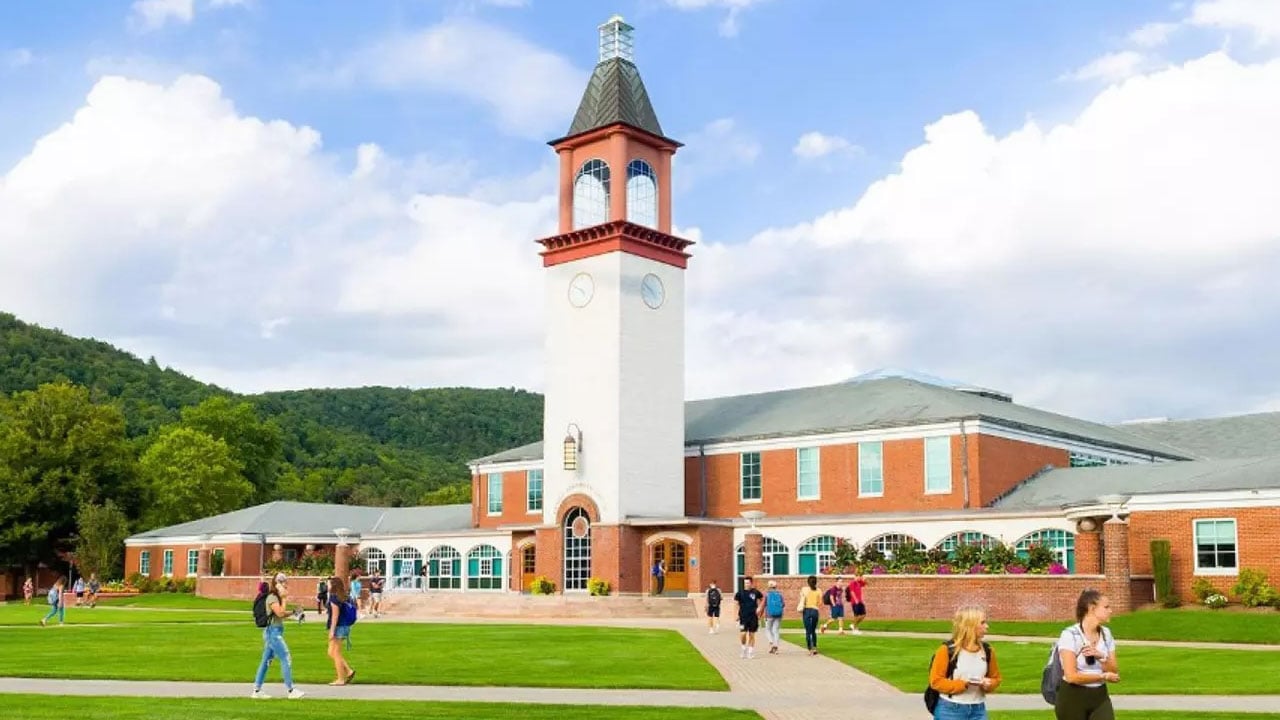
Reilly said Quinnipiac’s well-manicured and pristine Mount Carmel, York Hill and North Haven campuses also strengthen the student connection between well-being and nature by making outdoor spaces inviting, accessible and restorative.
“Kudos to our facilities team who is dedicated to keeping our spaces looking and feeling amazing all year long. When students are surrounded by these intentionally well-kept landscapes, they are more likely to spend time outdoors and receive the benefits that safe and welcoming green spaces provide,” said Reilly.
Chief Experience Officer Tom Ellett said the new Great Outdoors ranking illustrates another layer of Quinnipiac’s commitment to supporting today’s college students, who are faced with increasing challenges related to mental health, belonging, social connection and overall wellbeing.
“At Quinnipiac, we recognize that student success is inseparable from these issues. Our approach is built around creating environments where students feel connected, supported and empowered to engage fully in campus life. From our commitment to recreation, wellness and outdoor experiences to the relationships students build with faculty, staff and peers, we strive to create a campus ecosystem that supports the whole student,” Ellett said.
Quinnipiac’s overall Princeton Review rankings continue to showcase the university’s commitment to student success. Selection among the nation’s best 392 colleges rely primarily on the publication’s assessment of strong academic standing, evaluated using data from over 2,000 schools, site visits, administrator interviews and expert feedback. Additionally, participating colleges must grant access for independent student surveys.
“Our continued recognition in the Princeton Review rankings reflects Quinnipiac's intentional commitment to creating a student experience that is both academically rigorous and deeply supportive of student success and wellbeing. These rankings affirm that students are looking for institutions that help them thrive both inside and outside the classroom, and Quinnipiac has made that balance a central part of our educational practices,” Ellett said.
Adam Roth, executive dean and dean of the College of Arts & Sciences, said Quinnipiac is the type of institution where rigorous academic study meets real-world learning, guided by faculty who bend over backward to support student success. In an area of the report highlighting what students say Quinnipiac University is known for, the Princeton Review summarized, “Quinnipiac equips undergraduates with the knowledge and skills needed for a thriving career.”
“It is a rare combination in higher education: academic excellence, experiential learning and extraordinary faculty commitment, all working together to prepare students for what comes next,” Roth said. “That combination has helped earn Quinnipiac recognition as one of the nation’s leading universities for experiential learning and career preparation.”
Ellett noted undergraduate learning also extends beyond the classroom through Living Learning Communities and the Grove residential experience, which link academics, personal development and community to foster continuous intellectual curiosity and belonging, while university-wide tools like Listening Labs further enhance active listening and student connectedness. Additionally, student experiences are co-created with students, as seen in initiatives like Shake Smart, On the Rocks Pub and Grill and the 1929 Scholars Program, ensuring campus life evolves alongside their needs. This collaborative philosophy also powers student organizations, where leading, event planning and advocacy build essential skills in leadership, problem-solving and civic engagement.
“Taken together, our Princeton Review rankings highlight what makes Quinnipiac distinctive: a university that pairs academic innovation with a profound commitment to student wellbeing, community and engagement,” Ellett said. “Whether through the classroom, residential experience, outdoor recreation, leadership opportunities or student-driven initiatives, we work to ensure that students graduate not only with an outstanding education but also with the personal resilience, sense of purpose and leadership skills necessary to thrive in a rapidly changing world.”
Want to learn what Quinnipiac is all about? We invite you to join us at an Open House, where our students, faculty and staff will introduce you to life as a Bobcat through a variety of sessions and tours.





















Quinnipiac Today is your source for what's happening throughout #BobcatNation. Sign up for our weekly email newsletter to be among the first to know about news, events and members of our Bobcat family who are making a positive difference in our world.
Sign Up Now