


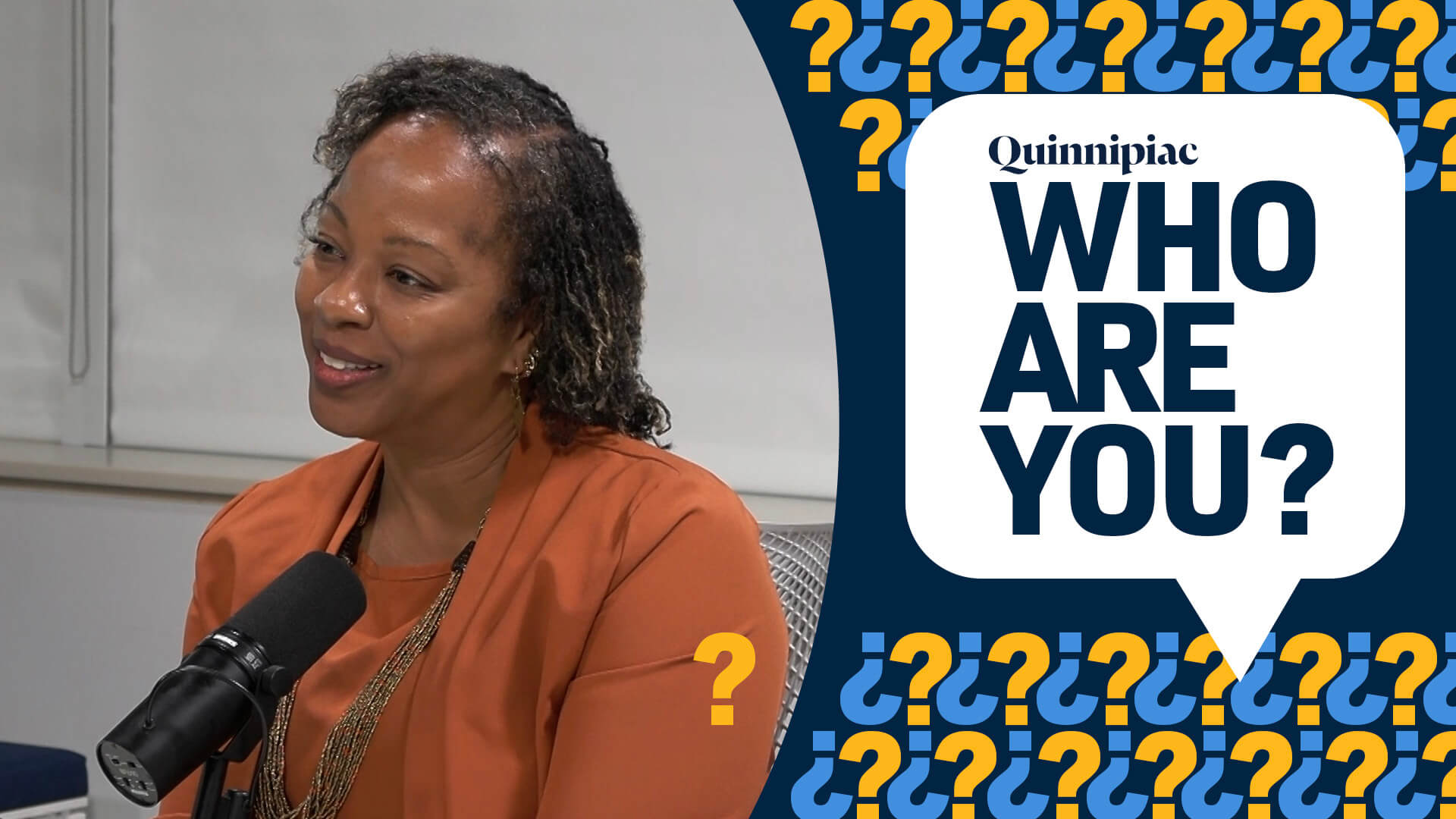
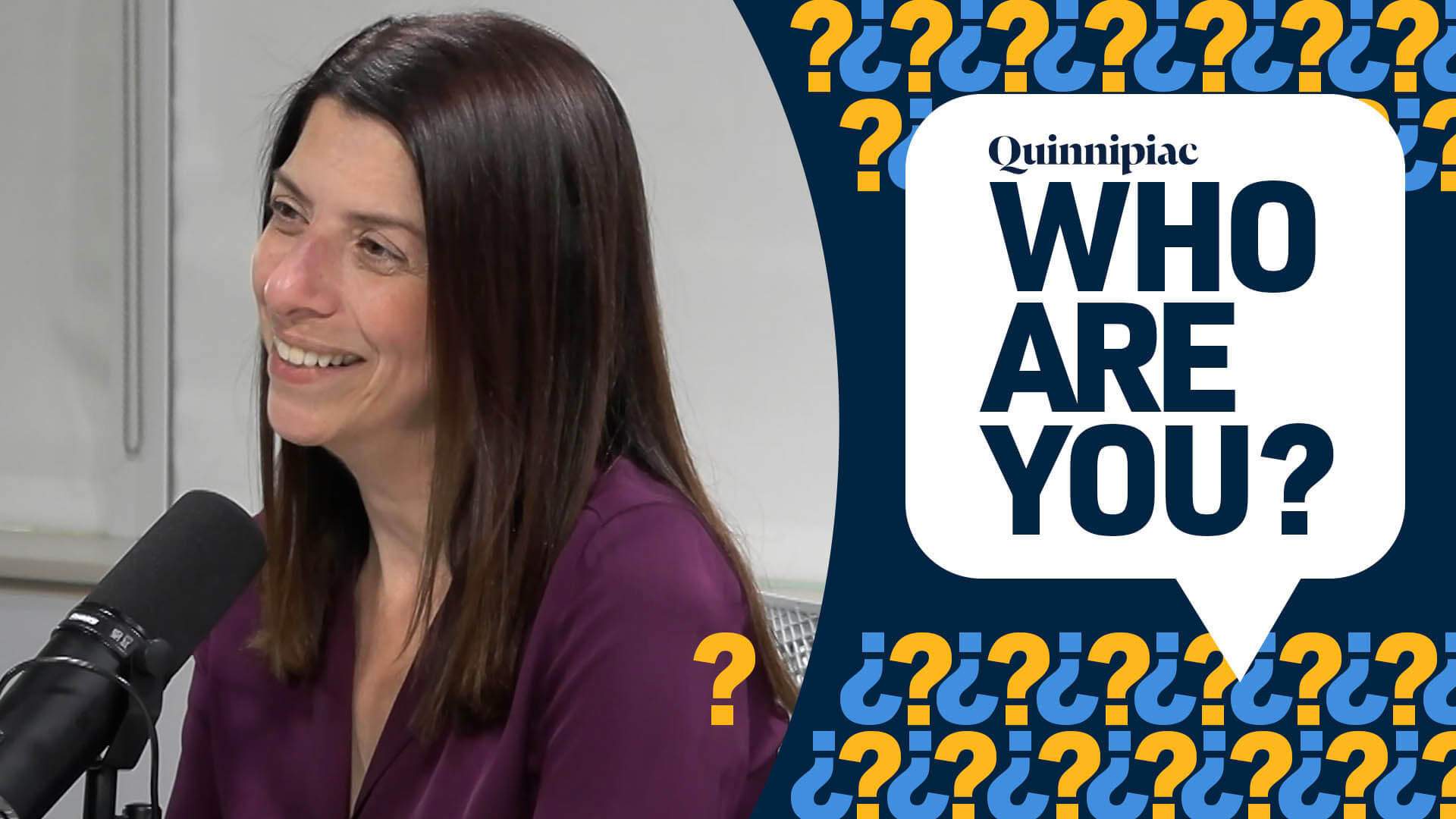
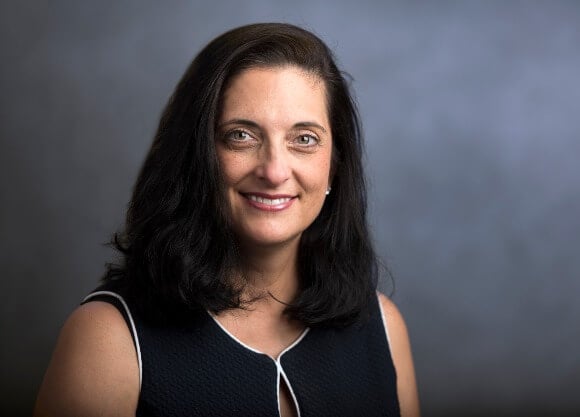
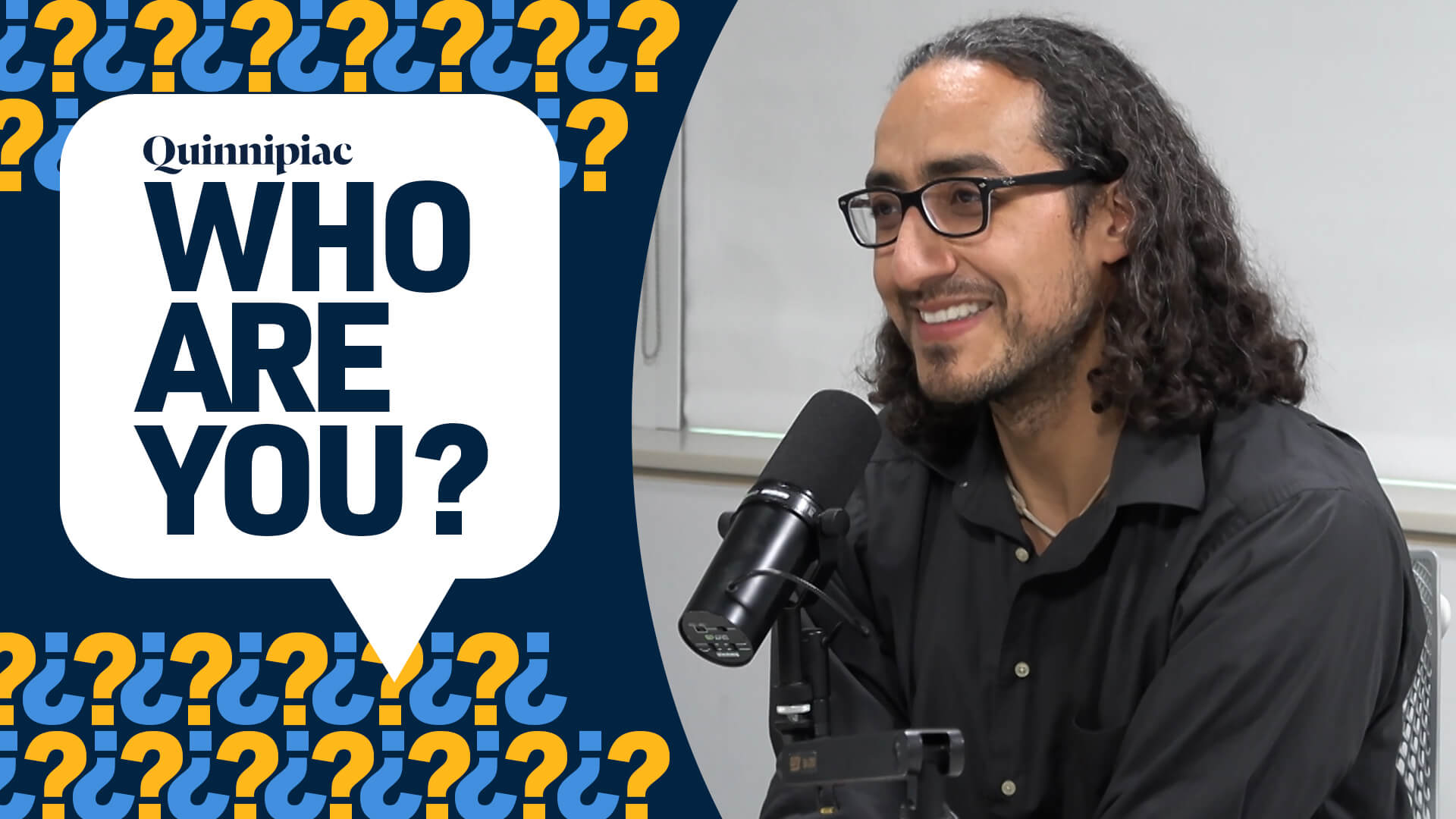
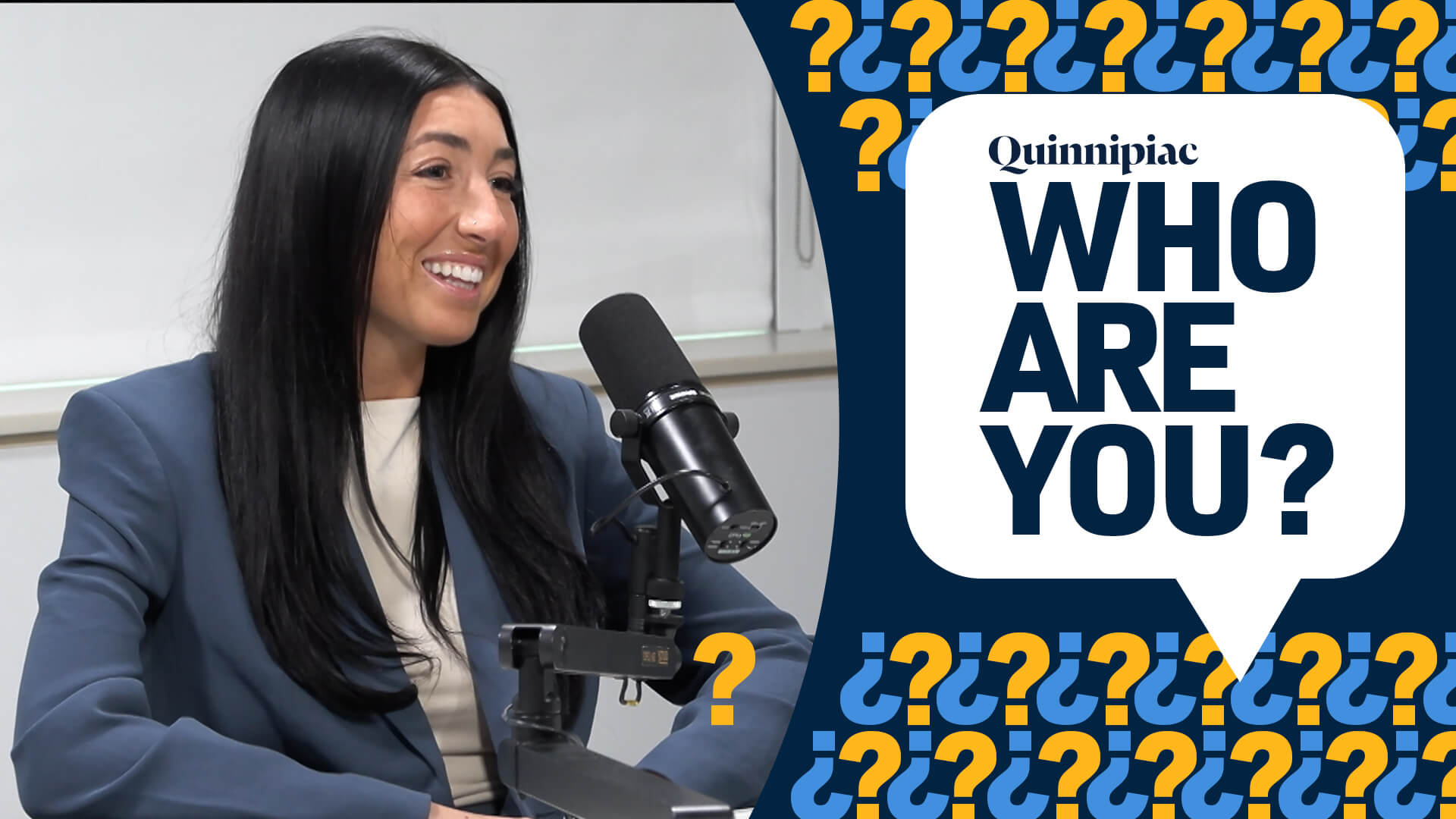
‘Who Are You?’ podcast with guest President Marie Hardin, PhD
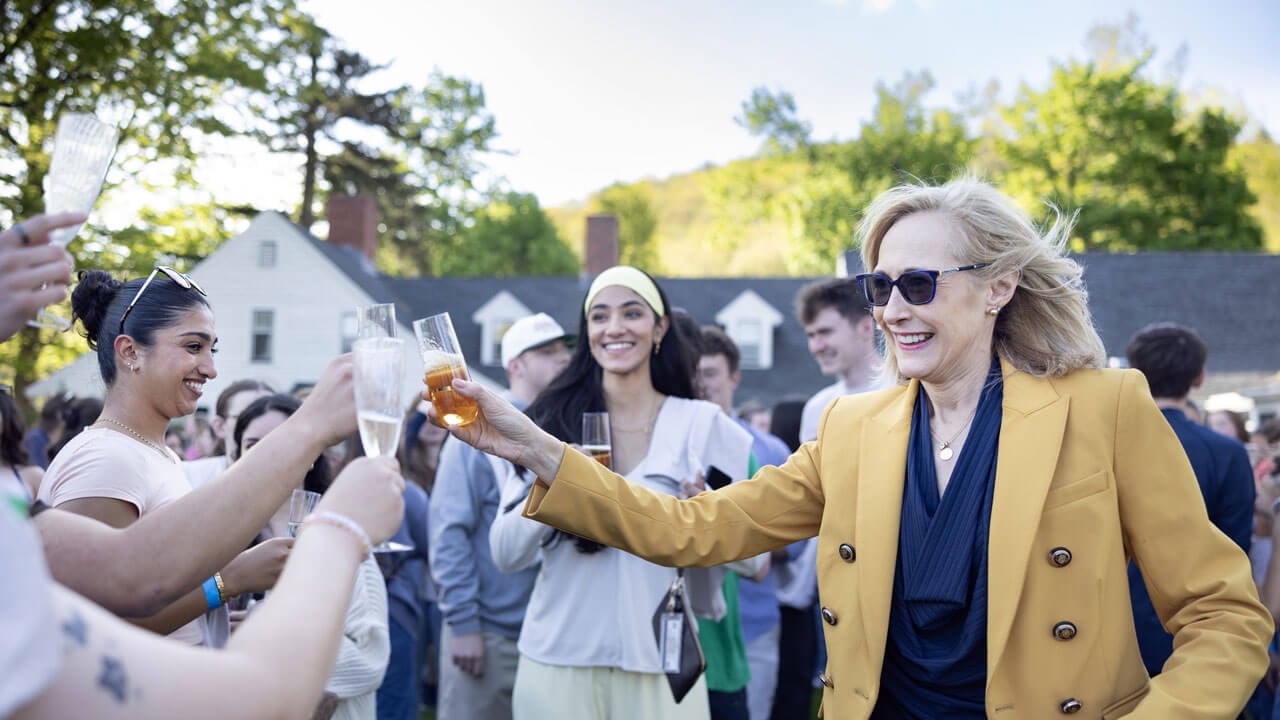
Who is Quinnipiac's 10th President?

Who is Quinnipiac's 10th President?
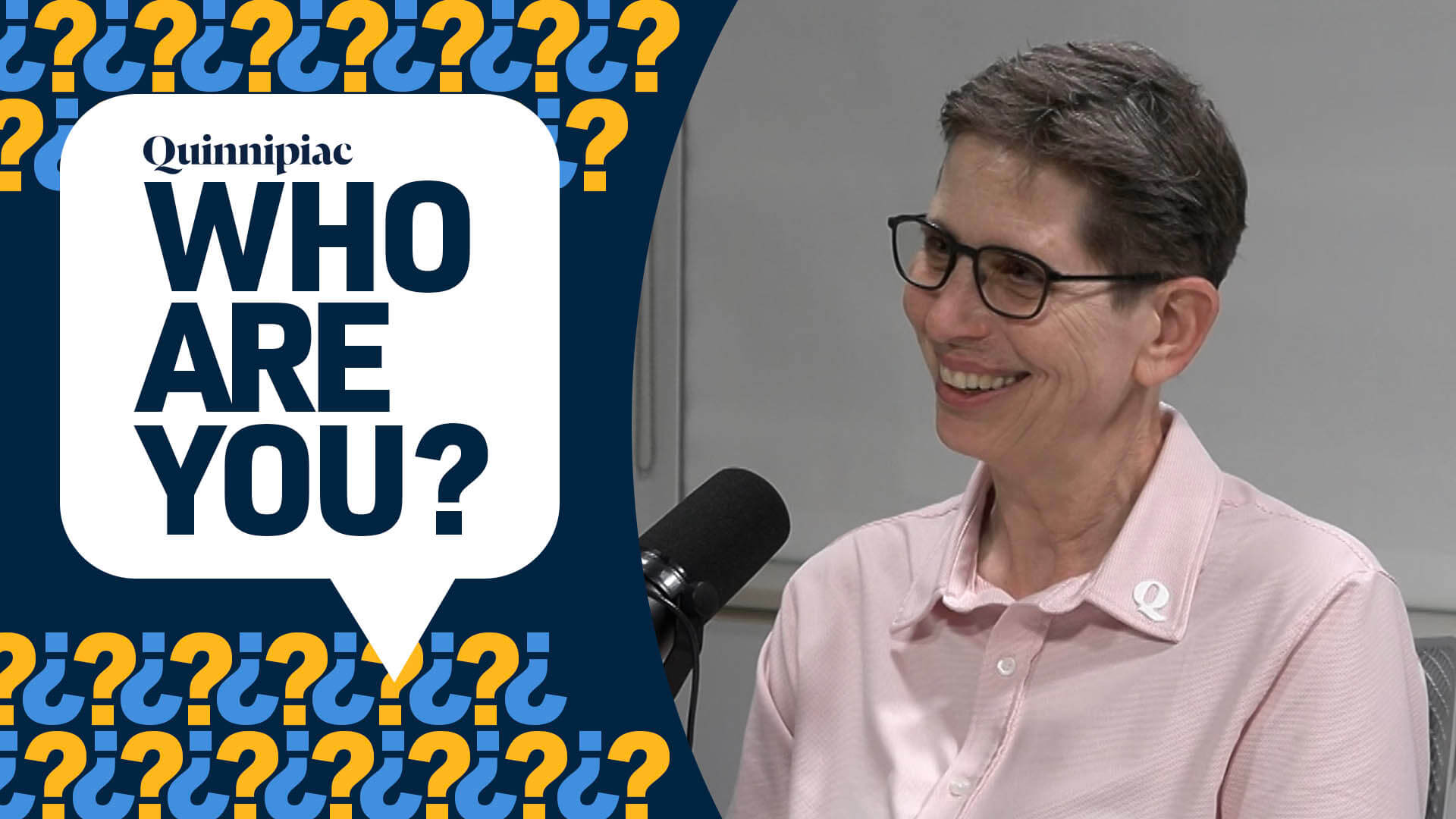
Joel Vanner: Hello, and welcome to today's episode of ”Who Are You?,” the Bobcats you know, the stories you don't. I'm your host, Joel Vanner, inside the podcast Studio at Quinnipiac University's School of Communications, and I'm honored today to be joined by a very special guest, Quinnipiac's president, President Marie Hardin. Doctor Hardin, welcome to the show.
Marie Hardin: Thank you. I'm glad to be here, Joel.
Joel Vanner: So I ask every guest this first question. It's an easy question. But it's the name of the show. Doctor Hardin, tell me. Who are you?
Marie Hardin: I'm the tenth president of Quinnipiac University, but I would add to that that I'm a runner. I'm a reader. I'm an explorer. I'm a dog owner. And I'm, I think, an all-around curious person. Okay. So there you go.
Joel Vanner: That's a good start. And being so close to Sleeping Giant State Park, I'm sure running, reading, exploring, all of those things if you've had an opportunity to take advantage of it over there.
Marie Hardin: Absolutely. My husband and I love Sleeping Giant. We love just exploring Connecticut. It is phenomenal.
Joel Vanner: Yeah. It is very, very, very pretty. And so is our campus here. You started talking about your passions, I think. You talked about reading and running. And being a dog owner.
Marie Hardin: Yes.
Joel Vanner: Growing up, what were you passionate about? What experiences did you have that led to passions, maybe in the professional side?
Marie Hardin: Yeah, I appreciate that question, because I think that those childhood passions often shape who we are in our career paths. And I'm very fortunate as I look back and I think about, you know, my period growing up. I was a reader from a very young age. My family didn't have a lot of money, but I knew the books in the library were free. So my mom would take us to the library, and I would load up on books. And that was a wonderful way to escape and to learn about the world. So that was a big part of sort of my identity, I think, as a kid growing up. I can remember the first time I laced up a pair of tennis shoes and went outside for a run. I was 12-years-old and I was curious about what it would be like to run around the block. It was a mile around the block, and I had my little canvas tennis shoes, and it turned out that I loved that, too. I was very involved in sports as a kid, and that was a big part of my identity. I had a sister who was close in age, and she and I ran track together, and we ran we played basketball and volleyball.
Joel Vanner: Which was your favorite sport?
Marie Hardin: I think it was track and cross country. I loved playing basketball, but track and cross country. I love the freedom of sort of knowing that I could blaze a trail with my running shoes on. I love that.
Joel Vanner: How did your passions lead you to where you are today, Quinnipiac's tenth president? I know there are multiple stops along the way, so we'll go back. To those first stops? Did it start for you when you were in college? What was your college experience like? Tell me about that.
Marie Hardin: Yeah, I went to a small private college, enjoyed it very much, and made lifelong friends. All the things I hope Quinnipiac students get from Quinnipiac, I got from my college experience. I got from my college experience. I fell in love with Higher Ed because I was the first, you know, young person, first person in my family to go to college, and I saw it as a way as a way to kind of be a path to the kind of life I wanted. And so I wanted to get involved in helping others have that same access to that path and the kind of freedom that higher education provides for young people. That was really important to me. So I was inspired pretty early on that I wanted to make higher education my career path, and it came from my own experience. I think that's true for a lot of people.
Joel Vanner: And you were at Penn State for about 21 years. As their Dean of the College of Communications there, you're here now Quinnipiac is our president. With that passion for higher education, showing students how education can make a difference, raise them up in their lives, what drew you to Quinnipiac and what we have here to offer?
Marie Hardin: This is a really special place to me, and I know a lot of people say that. So I know saying that is not anything particularly unusual. But I think when you and I tell this to students when they're thinking about a college. Where are they gonna go to college? I say, trust your instincts. So how do you feel when you step onto the campus? How do you feel when you interact with the community? And I tell students, you're going to find that moment when you step onto a campus, and it just feels like home. It clicks. It clicks. And obviously, it did that for me.
Joel Vanner: It did. I actually took advantage of the Be a Bobcat for a Day program through the Office of Admissions, and I got to shadow a communication student for the day. After that, I decided this was the place for me, and I actually worked with that student in student media for Q30 television, which is the student run television station here. So not only did they introduce me to the community, but I got to work alongside them when I came here as a student, which was an awesome experience.
Marie Hardin: That is a great story. So at some point during that day, you sort of that first day when you were having that experience, you something told you that this place felt like home, right?
Joel Vanner: I think it was the genuine experience I had. When I shadowed the student, it didn't seem forced that they had to not show me this part, but show me this part, not do this, but we have to do this. It was come-and-see my day. All of my day. Eating in the dining hall, maybe not the most interesting. But it's my day. Yeah. Going online, submitting my homework, not the most interesting, but it's part of the student experience. It's part of my day. It's part of the Quinnipiac experience that you get.
Marie Hardin: Yeah. And so, at some point during that day, you could see yourself as a student here, right?
Joel Vanner: Absolutely.
Marie Hardin: I would say that is really powerful. And we want every Quinipiac student to experience that powerful feeling and then that attraction, like a magnet to Quinnipiac, right? So I would say the same thing is true for me. My interaction with people at Quinipiac and my understanding of the institution was always one that was very appealing to me, and I knew I would feel at home here, and that bore itself out.
Joel Vanner: In a past interview, and I have it right here, so I quote you correctly, with Culture Central at Penn State, you said, The leadership journey is one that can span a lifetime. You're here at Quinnipiac as our president. Was there an inflection point where you realized that leading a university was that next step for you with all of the passions and knowledge you had of higher education?
Marie Hardin: That's a great question. Sorry for the hard question. No, I appreciate that. And, um, I do think leadership is a journey, and I think that you grow through the journey, and when you grow on that journey, logical next steps, I think, make themselves apparent, okay? So I was dean for more than a decade at Penn State and loved it and had a number of other positions at Penn State. At some point, I started thinking about what's a logical next step for me. And I have really good mentorship, you know, people who've been advisors and counselors to me over the years. And it became they were suggesting to me, and I thought, you know, I'm going to listen to this. They were suggesting to me that a presidency would be a logical next step for me, and I decided to be open to the possibility. And I like to be open to possibilities. Let my curiosity drive me. And when I'm fortunate enough to have an opportunity presented to me, if it feels good, say yes. Right. So that's what I did.
Joel Vanner: Right, we've had a lot of students on the show and some faculty too sharing their experience, and they say, life's not linear, right? They take some detours here; maybe it turns out to be something, maybe it doesn't. They get that experience, and they take it with them to their next opportunity.
Marie Hardin: Yes, I think that's very true, and that's a good way to think about things. You have to be open to the way the river winds, right? Right. And I like to think, also, you know, don't fight the current. Right. So that's work for me.
Joel Vanner: It's bringing you somewhere for a reason, right? That's right. The windy river, the higher education landscape, what do you see as Quinnipiac's most unique strength in the landscape that we have today in Higher Ed?
Marie Hardin: Yeah, that's a very good question. I've been thinking a lot about that, and I think it's important for a president to be able to assess that early. And the only way you can assess that is by being at the institution in the daily life of the institution. Talking to people, asking lots of questions, questions, observing things. I think a unique strength of Quinnipiac is dedicated and striving for high quality, always, and one that is willing to how can I put this to move when it needs to move. So it strikes a really powerful balance. It's nimble, as nimble can be described in higher ed terms. That's the way I would put it. Right. So it does the things that we expect of higher education in terms of being thoughtful and deliberate, but it's able to do it at good speed. And I would say that's unique.
Joel Vanner: Our community here. Being open, having conversations. I know you've had office hours already here. I know some staff who have taken advantage of that. If you could sit down, though, with every first-year student and tell them something that you would want them to carry through their college experience, maybe it's their first week. They're unsure, scared, maybe first time away from home. Maybe a first-generation college student. What would you tell them looking back on all your experience and what you know today?
Marie Hardin: Yeah, that's a great question. What I would tell them is, first of all, let curiosity drive you. When you're when you are tempted to make a judgment about a situation, a scenario, a conversation, a comment, ask yourself, how can I be curious about this before I reach a conclusion before I judge? And I think that's really important because that's part of the learning process. Um and I think a second thing I would tell them is, this is I'm going to boil it way down, but understand that you need to you often need to take a step before you're gonna feel good about before you're gonna feel good. I say, do good before you feel good. And what I mean by that is if you wait until you feel like doing things, you've probably waited too long if you know it's something you need to do. So do the thing. Like, if you're sitting in your dorm room by yourself and, you know, you don't feel like going out and interacting and engaging with others. But that little voice is telling you that's what you should do. Go ahead and do the thing and know that you'll feel better after you do it. Don't wait to feel like doing it. This makes sense. Right.
Joel Vanner: Do good before you feel good. And convenience is probably not a characteristic you should judge those decisions against either, because sometimes things in life aren't convenient for you. Those are the best learning opportunities for you.
Marie Hardin: Yeah, I really like that. I haven't thought about it that way, but I think you are exactly right. This whole notion of not waiting until it's convenient. Yeah, I think that's great.
Joel Vanner: Sometimes it hurts to admit cause you kind of just want to, you know, chill someday. Take that big step, but you have to, 'cause it may never be the right.
Marie Hardin: Exactly.
Joel Vanner: Thank you. So that's my piece of advice, I guess, that I would offer on the show. But what's the best piece of advice that you have ever received that you continue to carry with you today?
Marie Hardin: I think it is I think it's this idea of being curious before being judgmental. That's been very helpful for me because, especially in these kinds of leadership positions, you need to ensure that you have the right information before making a decision. You're never going to have all the information you need, but to act on a single piece of information without being curious enough to try to learn more, I think, is dangerous. So being curious has served me very well. And it's helped me change. I'll make an assumption. And I'll decide, you need to test that assumption. And when I do that, it's often very helpful.
Joel Vanner: And you've done that through the office hours. You've done that through the listening tours that you've done around campus, as well, through the strategic visioning processes that we're going through, kind of an alumni focus question. As you've met a lot of members of the Quinnipiac community, and you're thinking about Quinnipiac and where it is now and where it could go. Uh huh. Why is now such a great time to continue to be involved, get more involved, or come back to being involved with Quinnipiac?
Marie Hardin: Well, I would turn that question on you because you are an alum. What would you say?
Joel Vanner: That's a very good question.
Marie Hardin: Why now, Joel?
Joel Vanner: I would say there's a lot of momentum here. There's a lot of momentum in the right ways. We talked about the higher education landscape being a windy river to navigate. I think the things we're doing here are awesome things. The experiences that students are having, they're sharing on this program. They're changing lives. They're showing career paths. I think it's just a lot of great momentum in a sea of things that really get you down. You just have to look in the house and see all the great things that are cooking around, and the impact that people are having in Hamden in Connecticut, around the world, as part of the alumni network.
Marie Hardin: Yeah. I like that. I would layer onto that that every institution of higher education right now is facing serious headwinds. There are many, many challenges short and long term to the viability of higher education, and I could talk at length about those. But the alumni become increasingly important to supporting the institution and people immediately think financially, yeah, that's important. It's also important that the institution that Quinipiac feel the support of its alumni related to its mission and having the support and knowing that there's a large community out there that is in our corner during very challenging times is incredibly important. So the love of the alumni for this institution is a great source of strength and energy for us. So that's how I would layer on to what you said.
Joel Vanner: So you mentioned headwinds in higher education that the landscape is facing, but also here at Quinnipiac we'll have to face in some aspect as well. What do you think those are and what does that mean for Quinnipiac at this time?
Marie Hardin: I really appreciate that. I would tell you a couple of things. Um Quinipiac is in a category of university that is facing a certain set of headwinds that perhaps other institutions aren't facing and vice versa. We're not a big R one and a lot of those institutions are facing certain kinds of pressures. For Quinipiac and peer institutions, it's much more about the enrollment pressures. That we are going to continue to face because the population of high school graduates is shrinking. It's also about to be quite honest with you, the cost of higher education for the hardworking families we serve, right? We in many ways, Quinnipiac serves the mighty middle, and there have been a lot of questions about the price higher education and its affordability of it. And then the other thing I would tell you is we think about the ways new technologies and digital technologies have changed expectations of students about how they want to learn. We still operate High Ed in general, operates on this, I call it the factory model of higher education. And more and more, I think, students expect more I'm going to say kind of an on demand experience where online education is powerfully integrated. At the same time now we have the challenge of AI. Sure. So a lot of pressure there on higher education and especially on institutions like Quinnipiac that are tuition-driven, enrollment-driven. So those are a lot of things we've been thinking about lately.
Joel Vanner: I teach a whole course on AI in the School of Communications. It's called Is AI taking over. We talk about politics and business communications. We talk a lot about AI and the music industry. It's impacting higher education, but it's also impacting the areas that students are coming to study in, too.
Marie Hardin: Yes, exactly. So you know what I'm talking about here. Yeah.
Joel Vanner: Yeah. Are there some ways that you hope alumni can help drive the mission of Quinnipiac, bring fresh perspectives, contribute back to the community?
Marie Hardin: I really appreciate that because I want to be clear that the most successful institutions, the institutions that will thrive in coming years and decades, are ones that have a robust, strong, active alumni base. And of course, you know, immediately we think about financial support. Listen, that's important, really important, especially for the students who come here from financially challenged backgrounds and need help to get to the finish line, need financial support. But there are other ways that we need alumni to be engaged with us. We need alumni to be willing to make connections for each other, for one another, and for the institution. That's a great benefit not only to Knipiac but for alumni themselves. So that networking and that outreach is really important. And then also Being willing to contribute to the thought that needs to happen here at the university in all the disciplines that we are engaged with here and in helping us think about the really thorny challenges that I just described earlier. So those are just a few ways that we need alumni engagement.
Joel Vanner: And I think, based on my own time here, and again, the students that have sat in that chair and shared their experience, the mentorship and the connection, we learn that in the classroom, right? We connect with our faculty who are having a day job, hosting the news coming at night, teaching a journalism class; you're making that industry connection. And maybe that's helping get you an internship or a post-graduation opportunity, as well. And it's continuing that thought of connecting once you leave and you're out into the workforce.
Marie Hardin: Exactly, exactly. You captured it very well.
Joel Vanner: I remember it was a couple of months ago we had the faculty and staff alumni breakfast that you spoke at. And I think even just looking around that room, too, myself included at the alumni that chose to come back, continue that momentum, that has to be very powerful for you, too, as president of Quinnipiac.
Marie Hardin: Absolutely. This idea, and you're a great example of this, alumni who have had that student experience, and they choose to sort of pay it forward, right? In a very direct way. They become directly involved with the institution. They work for Quinnipiac. They know what the institution, what the university did for them. And they want to be a direct part of the institution serving students.
Joel Vanner: Finally, when students, faculty, and staff look back years from now, what do you hope they remember most about Quinipiac under your leadership?
Marie Hardin: That Quinipiac was able to lead in terms of the landscape of higher education in ways that empowered our students and prepared them for jobs in an incredibly fast-changing cultural, societal, and technological landscape. And this is an institution that they are very proud of. That's what I would tell you. Very proud of. That's what I want.
Joel Vanner: Well, that brings us to the end of our time today, Doctor Hardin. Thank you so much for joining me on the show, and I hope to have you back on another episode sometime soon.
Marie Hardin: Go Bobcats.
Joel Vanner: Go Bobcats. If you enjoy today's episode, be sure to subscribe, share, and like, and find other episodes on Apple, Spotify, and YouTube. Until next time, when I ask my next guest, who are you? I'm Joel Vanor. Bye for now.



Quinnipiac Today is your source for what's happening throughout #BobcatNation. Sign up for our weekly email newsletter to be among the first to know about news, events and members of our Bobcat family who are making a positive difference in our world.
Sign Up Now