



‘Who Are You?’ podcast with guest Sam Primavera ’25, ’28
Succeeding in Quinnipiac’s 4+3 Physical Therapy Program

Succeeding in Quinnipiac’s 4+3 Physical Therapy Program
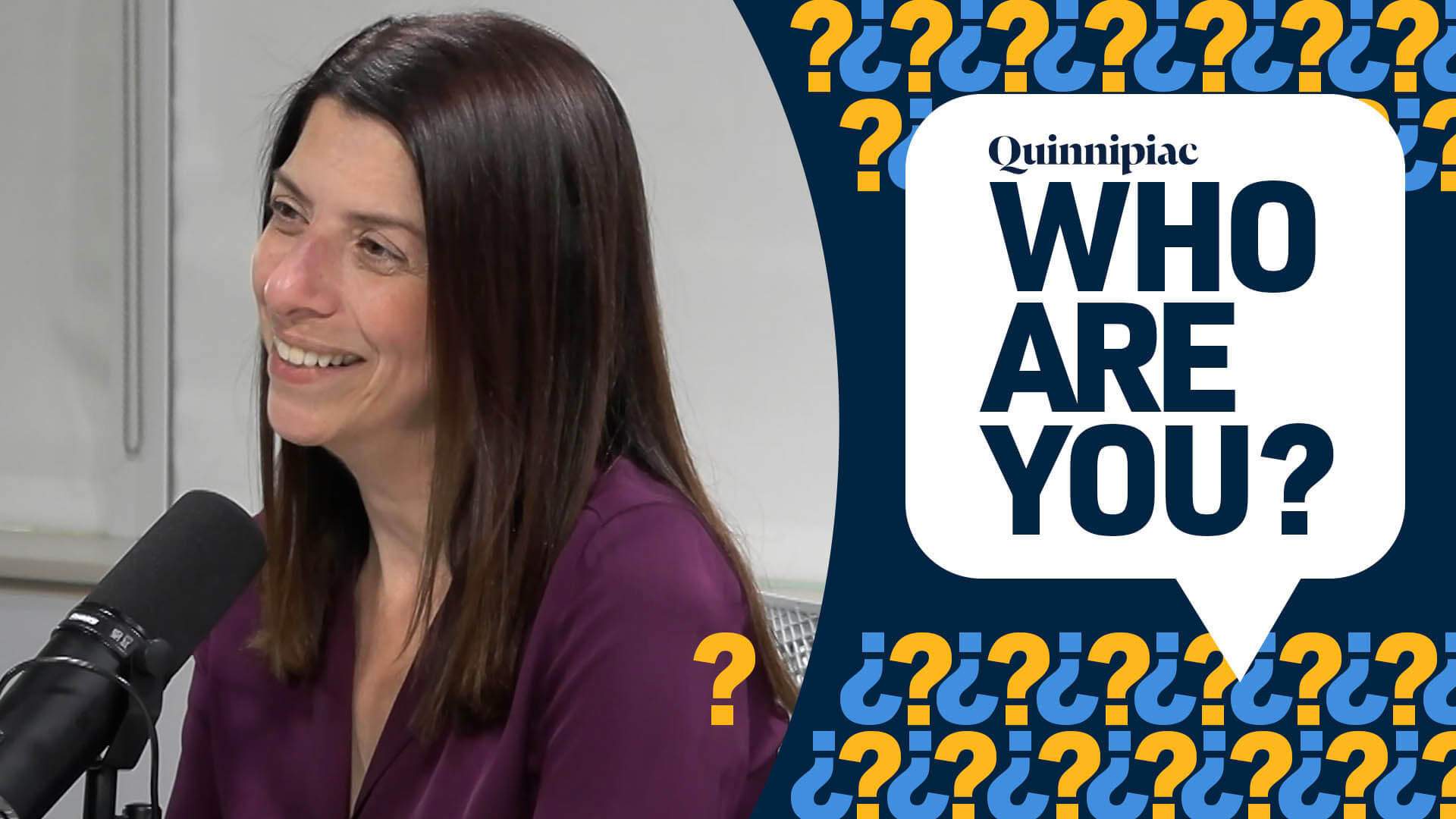
Joel Vanner: Hello, and welcome to ”Who Are You?,” the Bobcats you know, the stories you don't. I'm your host, Joel Vanner inside the podcast studio at Quinnipiac University School of Communications, and I'm joined today by my guest, Sam Primavera. Sam, welcome to the show.
Samantha Primavera: Thank you for having me. I'm so happy to be here.
Joel Vanner: I'm happy you're here, Sam. And I ask every guest the same first question every time. And it can be a deep question. But that is tell me who are you?
Samantha Primavera: It is deep. So my name is Sam. I am a D1 physical therapy student, so I'm in my first year of grad school. I'm from Hampton, New Hampshire. Yeah.
Joel Vanner: That's Sam. Sam and enough. Sam, you're in our 4+3 program, right? We'll get into what those numbers mean.
Samantha Primavera: Yeah.
Joel Vanner: You don't have to go at math to understand them. But before we get into that, let's go back in time. Sam in New Hampshire. Growing up, what were you interested in? What were you passionate about? Was it always healthcare?
Samantha Primavera: Yeah it kind of was, to be completely honest. So like, kind of brief backstory. But when I was a child, my dad worked in the hospital. He was a pathologist. So I spent a lot of my childhood, like, around healthcare, if that makes sense. So I would spend a lot of time going to the hospital with him on weekends, playing doctor was, like, a big thing in my house. I always like to tell the story of, like, what it's like to be a doctor's daughter. Instead of playing, like, the Hokey Pokey, we played what we call the Hoppi Poppy. And instead of putting, like, your, you know, arm in, you were putting your radius in, like, the bone in your arm.
Joel Vanner: Okay. Did you take insurance when you played doctor or you didn't get that far yet?
Samantha Primavera: I didn't get that far yet.
Joel Vanner: So being in the hospital on weekends with your dad, a role model to you, right? Introduction into healthcare, what was next for you after getting that, like, foundational experience and saying, I want to go into a career in this?
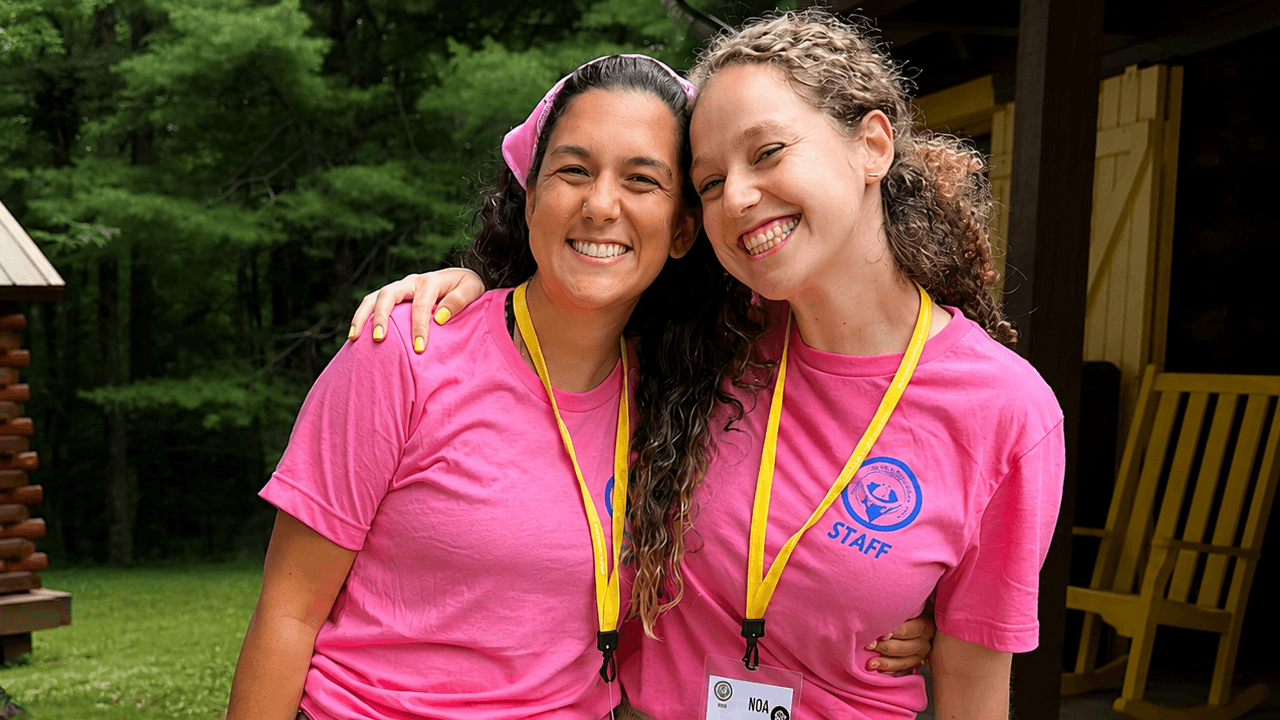
Samantha Primavera: Yeah, so kind of throughout my life, I tried to find places where I could get involved really early on. One of my first jobs was actually working at a camp for kids with varying disabilities. And there I got, like, a wide breadth of different types of therapies, including, like, occupational therapy, PT, physical therapy, and speech therapy, just absolutely fell in love with physical therapy. That was one of the first times I actually saw it in action. So.
Joel Vanner: When you were 16, you worked at an assisted care center too. That probably also showed you some different things about the healthcare field and help you narrow down?
Samantha Primavera: Yeah, I'm still working there today. I've been there for a really long time, and I started in the kitchen there, and then when COVID hit, we had a massive nursing shortage. I became a nursing assistant in the state of New Hampshire, you don't actually need a license. I had two months of training and was working as a nursing assistant. That was my first real, I guess, healthcare job. I learned so much and fell in love with geriatrics there, which is where I'm heading, I think.
Joel Vanner: And geriatrics is.
Samantha Primavera: Older adults 65 plus.
Joel Vanner: Okay. Where did you narrow in your focus for PT for physical therapy? Was it did something happened to you?
Samantha Primavera: Yeah.
Joel Vanner: Someone else?
Samantha Primavera: Yeah. So I have a very, like, standard story of a lot of physical therapists where I actually had a really bad knee injury when I was in the fifth grade. Crazy story. Slipped on a pencil just completely destroyed a bunch of the structures. Yeah, it was like, wild. I was on crutches for five months, which is an extremely long time to be on crutches, and I was in physical therapy for seven months. And while I was there, my physical therapist, her name was Megan, she was amazing. Like, any question that I had, she was happy to answer, and she kind of just gave me that first real glimpse at what her day in life was like. And, yeah, ever since then, I kind of knew I loved it and just continued with that.
Joel Vanner: So knowing you want to go into health care, physical therapy specifically. How did Quinnipiac come onto your radar and what drew you to Quinnipiac?
Samantha Primavera: Yeah, so I actually first learned about Quinnipiac my junior of high school from my college counselor. And basically, she was like, Have you heard of Quinnipiac and I'm like, I haven't so I came and I visited literally two weeks before COVID hit. And I just fell in love with it immediately. The fact that we have the dual degree programs is unbelievable. You don't see that in a lot of places. And the fact that I knew I wanted to be a physical therapist, kind of just it was the perfect transition for me.
Joel Vanner: You mentioned dual degree programs. You're in the 4+3 program. So tell us about the first part of that, the four years. What did you study here at Quinnipiac? And how did that contribute to your overall experience?
Samantha Primavera: So I was a health science major in my undergraduate, and I also had minors in biology and psychology. So for those first four years, I was kind of focusing on, like, all of those, Gen Ed requirements that you need in order to get a degree in, like, healthcare. So anatomy, biology, chemistry, all those sciences. I also took some extra classes. So I got my adaptive recreation and sports certification in undergrad and my interprofessional healthcare microcredentials, as well.
Joel Vanner: And the Center for interprorofessional healthcare Education is run by Julie Booth, has been a guest on the podcast.
Samantha Primavera: Yes.
Joel Vanner: What does that center do? What has been your experience like, and how does that enhance the education you get here at Quinnipiac.
Samantha Primavera: Yeah, so interprofessional healthcare is something that we've kind of lost as healthcare professionals. So basically, it's talking about how your different providers should be having a conversation about you as a patient. So if you come and you see a physical therapist, the expectation is that the physical therapist has had a communication with the primary care provider that you saw and, like, referred you to physical therapy. But a lot of the time that communication isn't happening anymore. So we're trying to bridge that gap with things like our Interprofessional healthcare center in order to make different healthcare providers comfortable talking to each other.
Joel Vanner: So that in your undergraduate year, so that was your first four. And then the plus three, did you know? So you applied into the program knowing you would come to Quinnipiac for graduate school for physical therapy. What was it like applying into a program, knowing you were already set for graduate school?
Samantha Primavera: The relief is, like, insane, I guess, is probably the best way to put it, because I look at, you know, my other fellow students last year when they were applying to grad school, I'm very stressed out about it, and I didn't have to necessarily think about it. Just maintaining that GPA, knowing, like I am on track, even as a freshman and undergraduate being like, I am in physical therapy school is just, like, you can't match it.
Joel Vanner: Can't beat that sense.
Samantha Primavera: Yeah.
Joel Vanner: So that's where the next three years are focused in physical therapy for you. What was the transition like between being an undergraduate and now going right into graduate school at the same place?
Samantha Primavera: So it's definitely a massive change, I will say. Undergraduate is a lot lighter, I would say, in terms of coursework and studying. So when you get to the doctorate level, it's, you know, 24/7, basically, a full time job, which is a lot different than the typical undergraduate experience. So understanding that, you know, the lock in has to be insane when you first come into a doctorate portion, I will say the adjustment can be kind of rough for some people, but the faculty here is absolutely amazing at trying to bridge that gap. We have mentors within the program. So I had a D3 or third year student last semester, multiple of them, actually, who were there for me, answered any questions that I had at any point. So they do an awesome job at helping you out.
Joel Vanner: You mentioned earlier in your rehabilitation from your knee injury, zero gravity treadmill was something that really helped you, and it's something we have here at Quinnipiac for students to learn on. What other types of equipment and spaces are there for physical therapy, especially that you've been able to use so far?
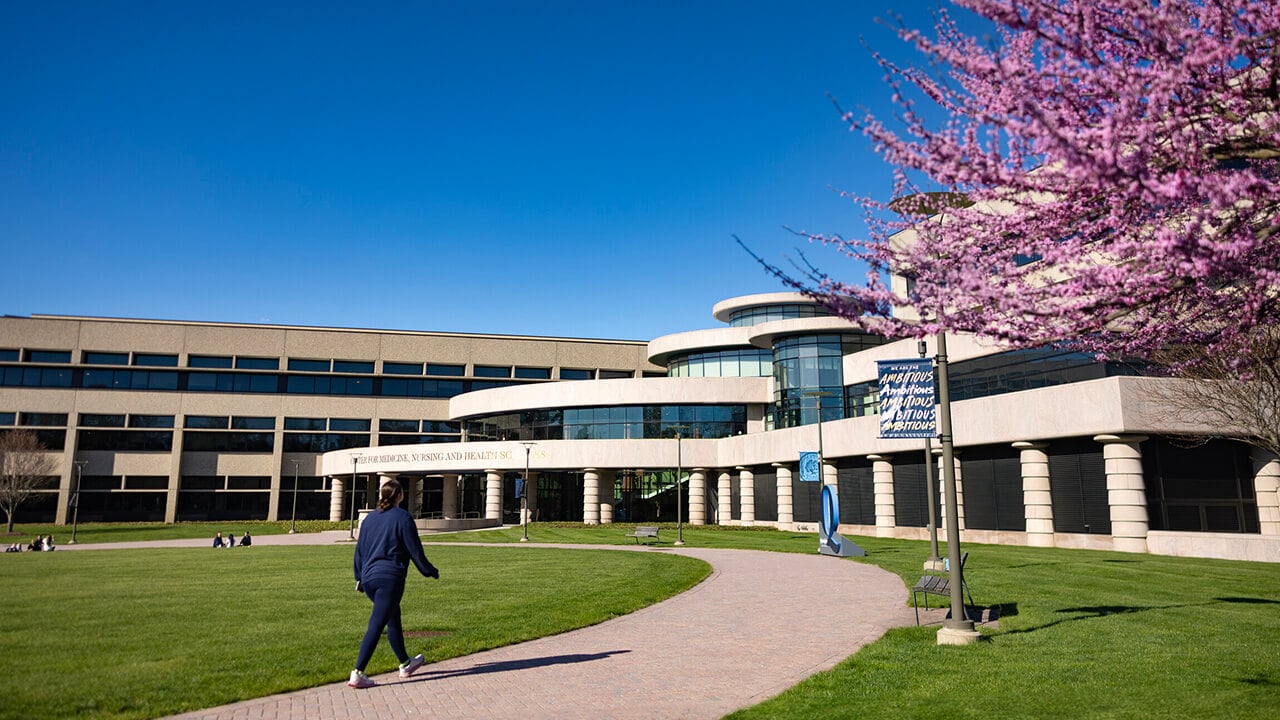
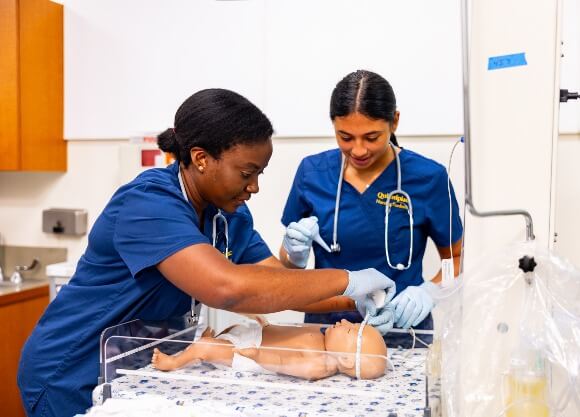
Samantha Primavera: So we have amazing facilities. So the AlterG, which is that zero gravity treadmill, in that room, it's called the motion analysis lab. It's kind of an extension of a primary room, which is a research space. That research space has cameras, and basically, people can run, jump, do whatever they want throughout the room. Those cameras pick up on everything, and it breaks you down into different parts. So you'll see the skeletal system, you'll see a joint breakdown. And we can look at that kind break you down as a patient, which is really cool. So I can watch you walking. I can guess where you're putting pressure on your feet, but the metal plates in the floor in the room that help you, be able to see that. So we're able to break things down a lot easier. Our like, brand new classrooms, we have amazing treatment tables, facilities. As a doctorate student, you have access to those facilities anytime that you want to. So I can go into those labs using my Quinnipiac ID card on the weekends and practice those skills. There's a whole lot of different spaces.
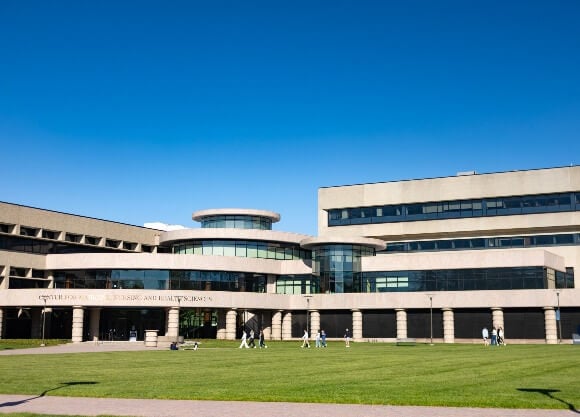
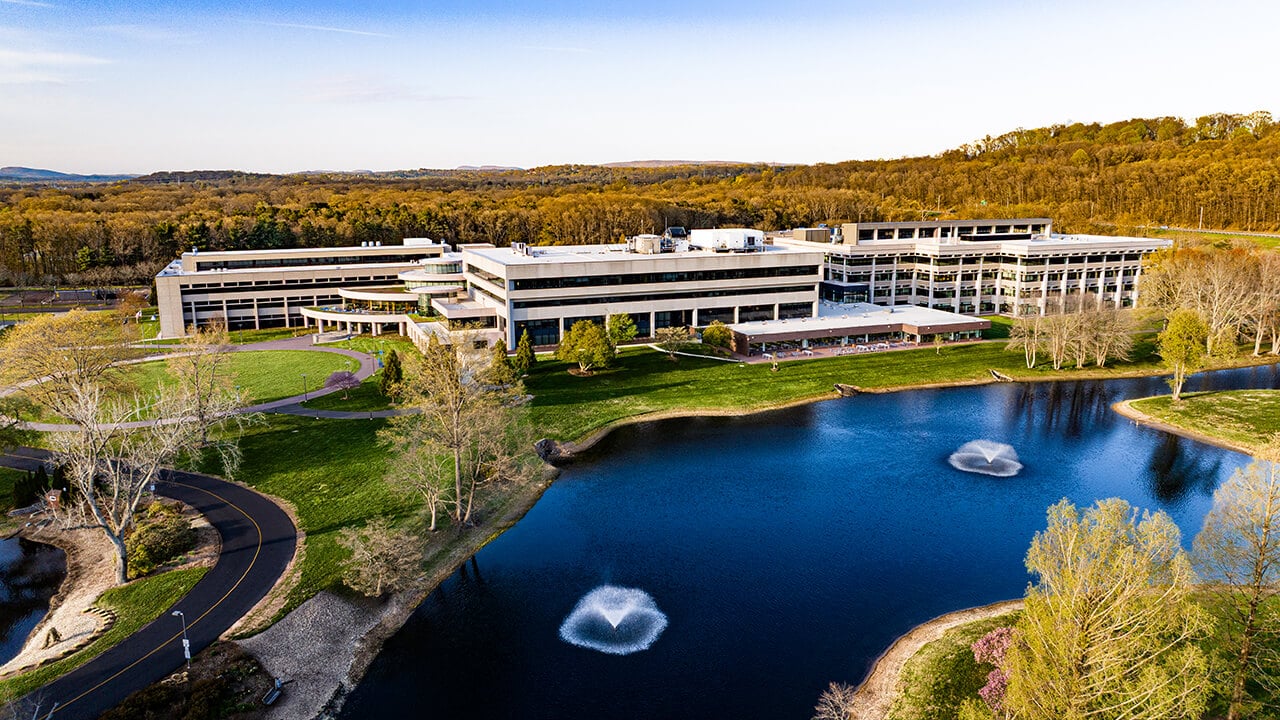
Joel Vanner: Those labs over on our North Haven campus a beautiful campus surrounded by other schools over there as well. You mentioned faculty, access to lab spaces. What has been your experience in your physical therapy program now with faculty, small class sizes. What have you kind of noticed as you've started with those classes?
Samantha Primavera: So in terms of the doctorate portion, the classes are a little bit larger than the undergraduate classes because they keep our whole cohort together for our lectures. So our lectures around 50 students, so everybody who's in the class, but our professors all know us by name. I also have to just comment on the fact that our doctorate professors let us call them by their first name. They see us as colleagues, which is, like, unmatched. So we're able to have conversations with them, and it's not like, you know, you're my professor and a student. They see us as future colleagues and future fellow physical therapists, which.
Joel Vanner: Takes the dynamic out of the.
Samantha Primavera: Exactly. So it's a lot less, you know, stressful to go up and talk to your professors.
Joel Vanner: Sure. You also work in our Office of Admissions. I do. What are some of the benefits of just taking advantage of some of the admissions programs that are out there like Open House, Admitted Students Day, maybe even be a Bobcat for a day, which is how I solidified my decision to come here way back when. But what are some of the things that prospective students who are interested in Quinnipiac should look to take advantage of?
Samantha Primavera: So before you apply to the school, just coming to an open house is probably your best bet. If you're not able to get to an open house, a regular campus tour is awesome. The open houses are nice because you get a chance to interact with students and faculty, which you don't necessarily always get on the typical standard weekday tour. Once you're admitted, we always recommend either doing the admitted students Day, Bobcat for a day or a combination of both. I always say Bobcat for a day is a way to go because it's a personalized experience. I'm sure you went through that, too. So basically, you get to come to campus for a day, go to sit in on a class. You're paired with a student who is the same major as you, and you're able to ask them any questions that's so personalized, and it's just something that you don't get on a typical campus tour. So we definitely recommend that.
Joel Vanner: And you may even come to Quinnipiac and do student involvement with your person that you being Bobcat for a day. So there's also that immediate connection there. What advice would you give someone who's interested in the 4+3 program, but they realize it's a big commitment, they're not quite sure. What would you say to them?
Samantha Primavera: So if somebody is really interested in physical therapy, from both a student perspective and admissions perspective, we always say to apply into that program right starting off because it's a lot easier to leave it than it is to get into it. So say that you start and, you know, freshman year, you're like, I want to be a physical therapist. You get into that program, you start, and you're like, Oh, my gosh, I really don't like biology. I really don't like anatomy, and you realize that you want to do something else. It's so easy to change. It's just really hard to get back into because our Quinnipiac program is so competitive. So we definitely recommend starting off early because it is easier to change than to, you know, jump into it.
Joel Vanner: Well, Sam, thank you so much for joining me on the show today, sharing your experience here at Quinnipiac, and good luck and the rest of your studies.
Samantha Primavera: Thank you.
Joel Vanner: If you enjoy today's episode, be sure to subscribe and share, and find others on Apple,, Spotify, and YouTube. Until next time, when I ask my next guest, who are you? I'm Joel Vanner. Bye for now.









Quinnipiac Today is your source for what's happening throughout #BobcatNation. Sign up for our weekly email newsletter to be among the first to know about news, events and members of our Bobcat family who are making a positive difference in our world.
Sign Up Now