


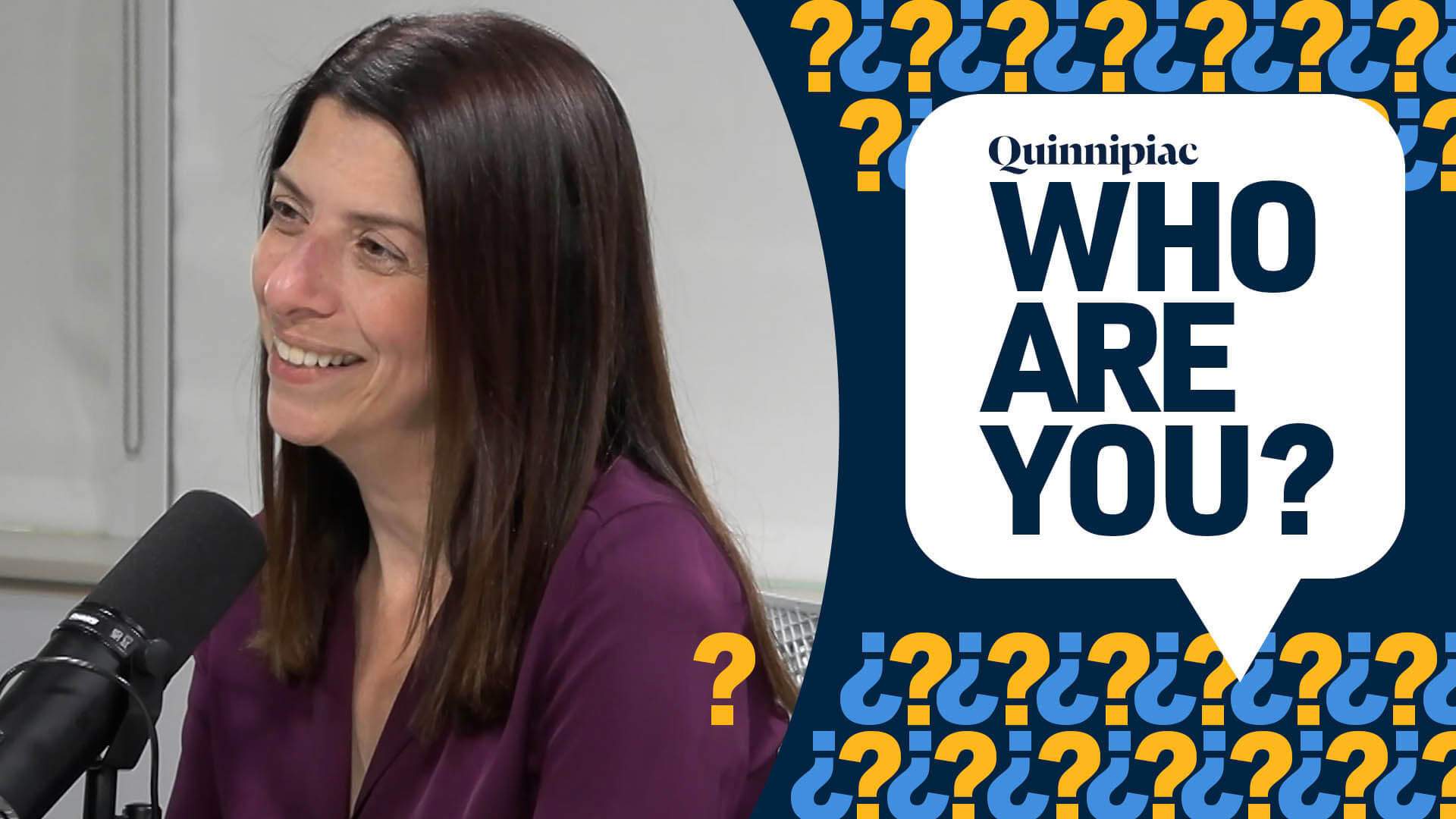
‘Who Are You?’ podcast with guest Professor Julie Booth
From corporate America to interprofessional healthcare
From corporate America to interprofessional healthcare
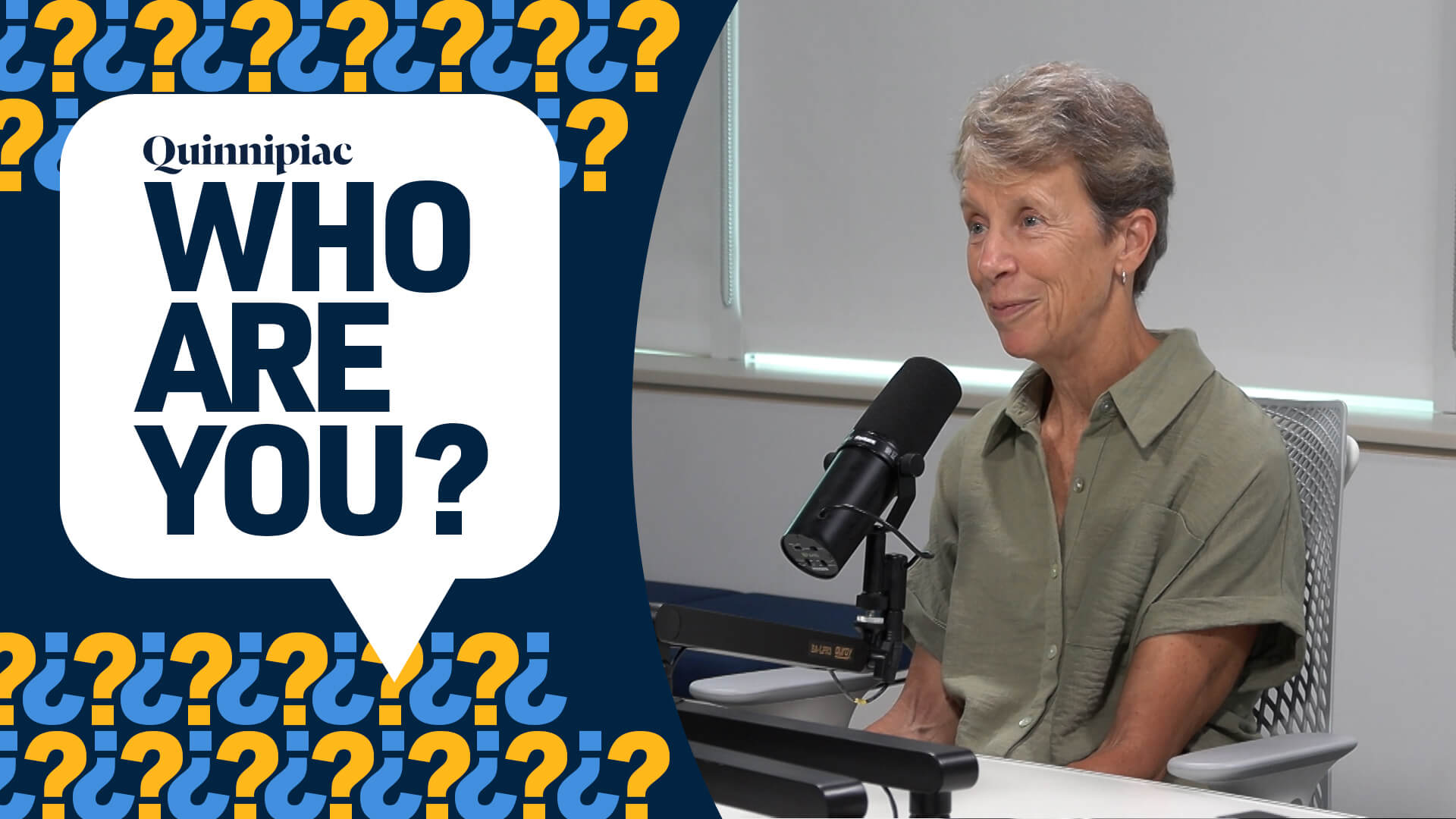
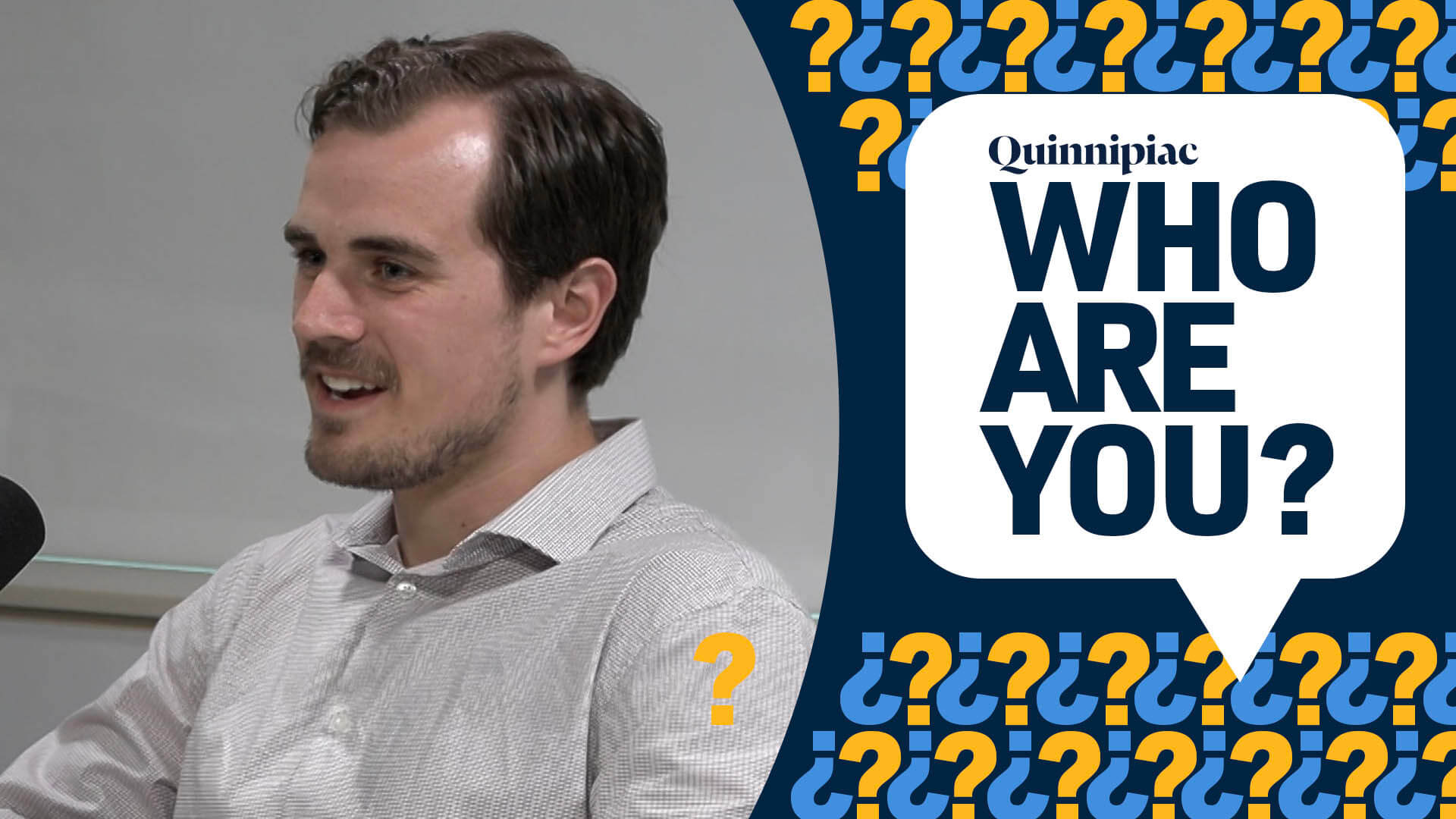
Joel Vanner: Welcome to ”Who Are You?,” The Bobcats you know, the stories you don't. I'm your host, Joel Vanner, inside the podcast studio at Quinnipiac University's School of Communications, and I'm joined today by my guest, Julie Booth. Julie, welcome to the show.
Julie Booth: Thank you. It's nice to be here.
Joel Vanner: Have you seen an episode of this show before?
Julie Booth: I have.
Joel Vanner: So, the cat's out of the bag, and you know my first question. My first question to you is, we know your name, but tell me, who are you?
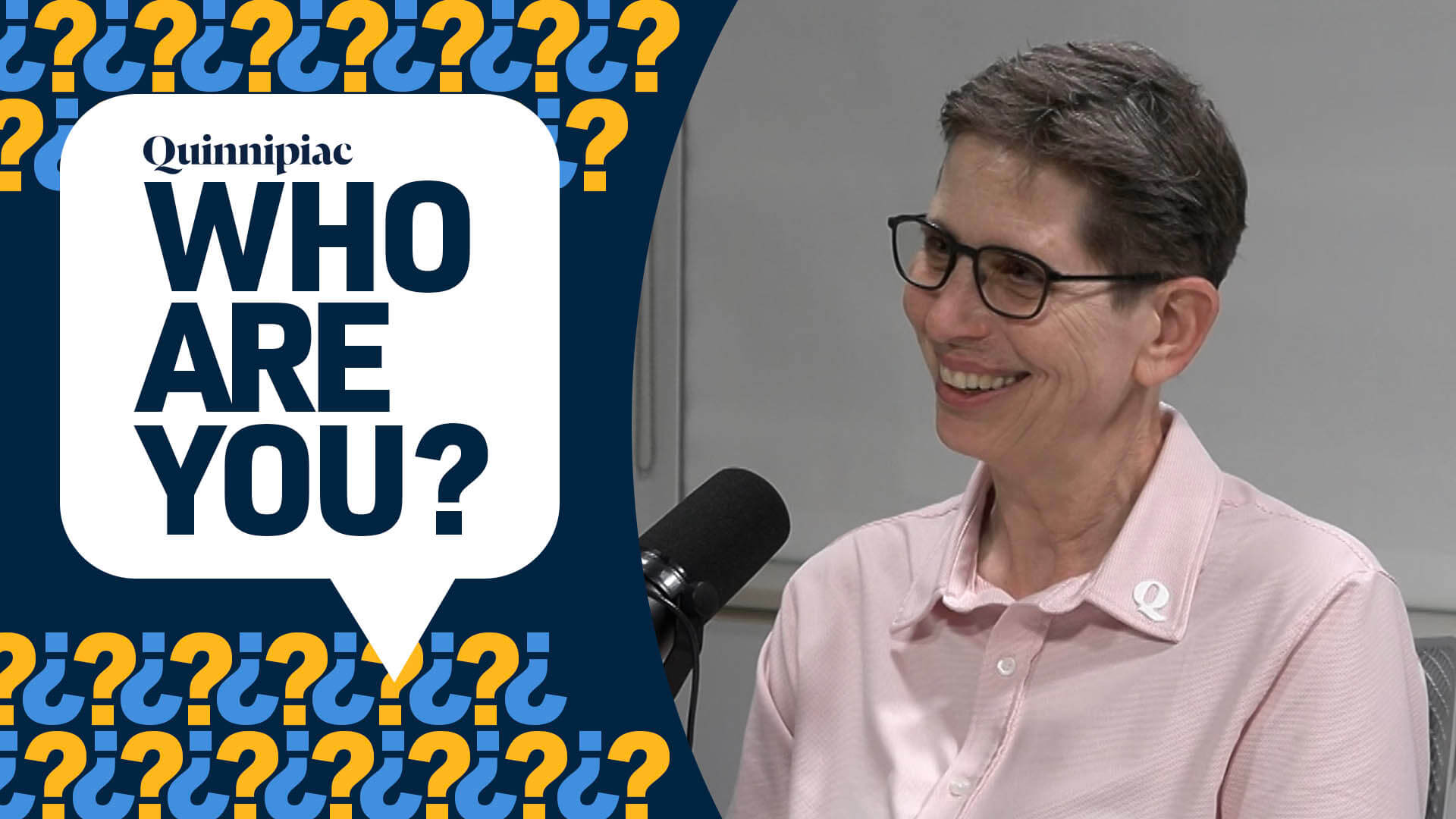
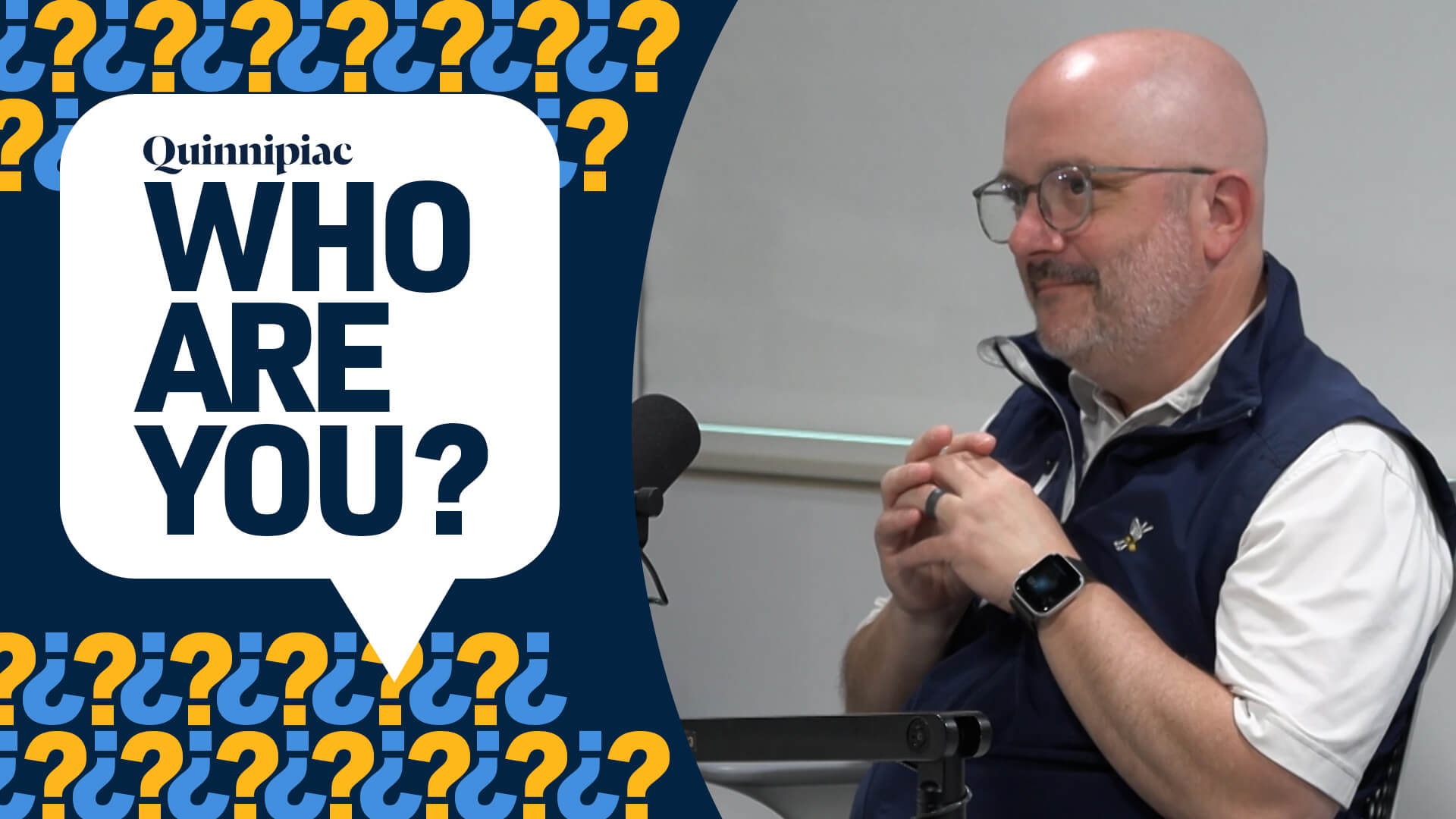
Julie Booth: I’m Julie Booth, and I'm the director of the Center for Interprofessional Healthcare Education here at Quinnipiac and also a clinical associate professor. I've been at Quinnipiac for just about 15 years, of which my first 14 were in physical therapy, and then I transitioned over to the director of the Center for Interprofessional Healthcare about a year ago after being involved with interprofessional education throughout my time here at Quinnipiac.
Joel Vanner: So, healthcare, physical therapy. Tell me about your journey to the healthcare realm world and your journey to Quinnipiac. Where did it start?
Julie Booth: Sure. Growing up, I was one of ten children and being one of ten-
Joel Vanner: A rowdy household?
Julie Booth: It was a very rowdy household, yes.
Joel Vanner: As an only child, I don't know, but you tell me.
Julie Booth: Yeah, a little bit different than what your upbringing probably was. And I will say that there were a number of visits to the hospital along the way with having ten kids. So, I was, not that we were in the hospital all the time by any means, but I was somewhat familiar with the hospital setting. And I had a sister who was very interested in being a nurse, and she was kind of my, little bit of my idol, when I was growing up. So, I was always kind of around the healthcare. And then I had a sister who was involved in a pretty serious bike accident. And I think that really precipitated my interest in healthcare, even more, just seeing what she went through and somewhat looking back on it, kind of the lack of services, maybe that she was provided, not knowing at the time about all the different areas of healthcare, such as physical therapy, that she certainly would have benefited from. But again, at the time, not realizing that. But just that experience and realizing the importance and the value of healthcare got me interested in it. So, I went on to college and I thought I was going to be a physician, and I changed my mind after my first semester.
Joel Vanner: What was that like? Thinking, going in, knowing, "Hey, I want to be a physician." Nah, maybe not so much. What was that like?
Julie Booth: I think it's something that everybody needs to kind of be aware of. You go in with this, or for me, anyway, and a lot of I think students do, and I look at my own children, a way of thinking, "This is what I'm going to do," and it doesn't always work.
Joel Vanner: And you're young, too, and you're trying to figure it all out along the way.
Julie Booth: Right. So, I loved what I was doing. I loved my classes, but there was, to me, at that time, felt like it was too narrow. Like, I wanted to explore more things than going in as a pre-med student that I was going to be able to do. And it also was, and not that I'm not a competitive person, but I felt like already right off the bat, it was pretty little bit cutthroat. And that's just, you know, I think, just who I was surrounded by. But really, it was that I wanted a different experience and more opportunities to explore different things. So then I ended up being a human development major, which was a combination of biology, psychology, sociology. So it really gave me a varied background.
Joel Vanner: And after you completed that educational experience, did you get a job in the field right away and kind of find your footing there? Or what was the next step for you after deciding on that and completing that?
Julie Booth: Again, it took me a little bit to figure things out, which, looking back on, I think was a great experience, and it really taught me a lot. But when I graduated, I thought: I wanted to get a job in hospital administration. And through my undergraduate time, I did an internship twice at different hospital facilities. So I moved to Chicago, and I couldn't find a job. And my now-husband was like, you need to either be patient or just look somewhere else. And I wasn't feeling very patient.
Joel Vanner: It's you and everyone else who graduates college around the same time, looking for a job, yeah.
Julie Booth: Right. Yeah. And there weren't a lot of jobs in hospital administration at that time. So I went, and I knocked on doors the next day, and I just happened to knock on the door of Xerox Financial Services in downtown Chicago, and they were starting a training program, and they hired me. Just fortuitously, that opportunity was there.
Joel Vanner: So what did you take away from that experience with Xerox? It's not directly healthcare-related, but it was a stop on your journey to who you are today.
Julie Booth: I think the biggest piece was the opportunity to work in corporate America and really learn about the value of communication and teamwork. I started out as an underwriter, and then I moved to Michigan, and I worked in marketing. So I had lots of opportunities to work with all different people and learn different ways of communicating and to sell not only myself, but Xerox at that time and their financial services.
Joel Vanner: And after that, PT. How did you land in PT? What experiences did you have to enter into that space?
Julie Booth: Sure. So, I really did enjoy my time with Xerox Financial Services, but I knew I wasn't I didn't want to stay in corporate America. Again, I got a lot of value of it, out of it, but, that wasn't where I wanted to be.
Joel Vanner: You knocked on the door, and opportunity was there.
Julie Booth: Right. So, I had always been interested, as I mentioned, in healthcare. So, I wanted to do something in healthcare. So, I started exploring different opportunities outside of being a physician. What else could I do? And I thought maybe occupational therapy. So I started just observing, volunteering in occupational therapy. And when I was there, I noticed physical therapy, which I wasn't really as familiar with as occupational therapy. And I thought, maybe that would be something to look into a little bit more. So, then I volunteered in physical therapy, and that really captured my heart because it provides an opportunity to really make a difference with a client and at the same time, get to know them. That you have an actual time to get to know the person, because you work directly with them.
Joel Vanner: So, transitioning now to Quinnipiac, how did Quinnipiac become a stop on your journey?
Julie Booth: Sure. So I worked in physical therapy. I worked at University of Michigan Health Systems in Ann Arbor, Michigan for 12 years. Which was an amazing experience. And when I was there, I really learned the value of interprofessional healthcare. I then moved to Connecticut and started working as a school-based physical therapist. And I loved that. But I thought I would like to go back to school because I would like to get into higher education. So I went back and got my doctorate. And after I completed my doctorate, I just was, this is another thing that just was sort of fortuitous- I'm like, I'm just going to see what's out there for jobs. And there was an opening at Quinnipiac, which I knew about Quinnipiac. I knew that they had a great PT program. They had a lot of different professions on the campus. So again, my interest in that interprofessional piece. So I applied for the job, and luckily, Quinnipiac hired me.
Joel Vanner: And here you are today.
Julie Booth: And here I am.
Joel Vanner: When you say interprofessional healthcare, what does that mean?
Julie Booth: So it's really a team approach to working with clients. So if you look at the research, the health outcomes are much better for those that have a team, have had a team approach, and also more equity. So that interprofessional team, you know, is made up of many different professions, depending on the needs of the client, right? It can be the physician, a PA, a nurse, physical therapists, occupation, etc, and speech. But when you have that team communication and an understanding of the roles and responsibilities of everybody on that team, the client has the best outcomes.
Joel Vanner: And at Quinnipiac, the Center of Interprofessional Education, tell me more about the center and what that does for the student experience here.
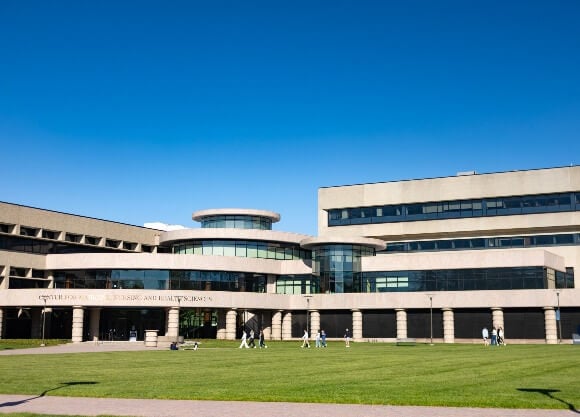
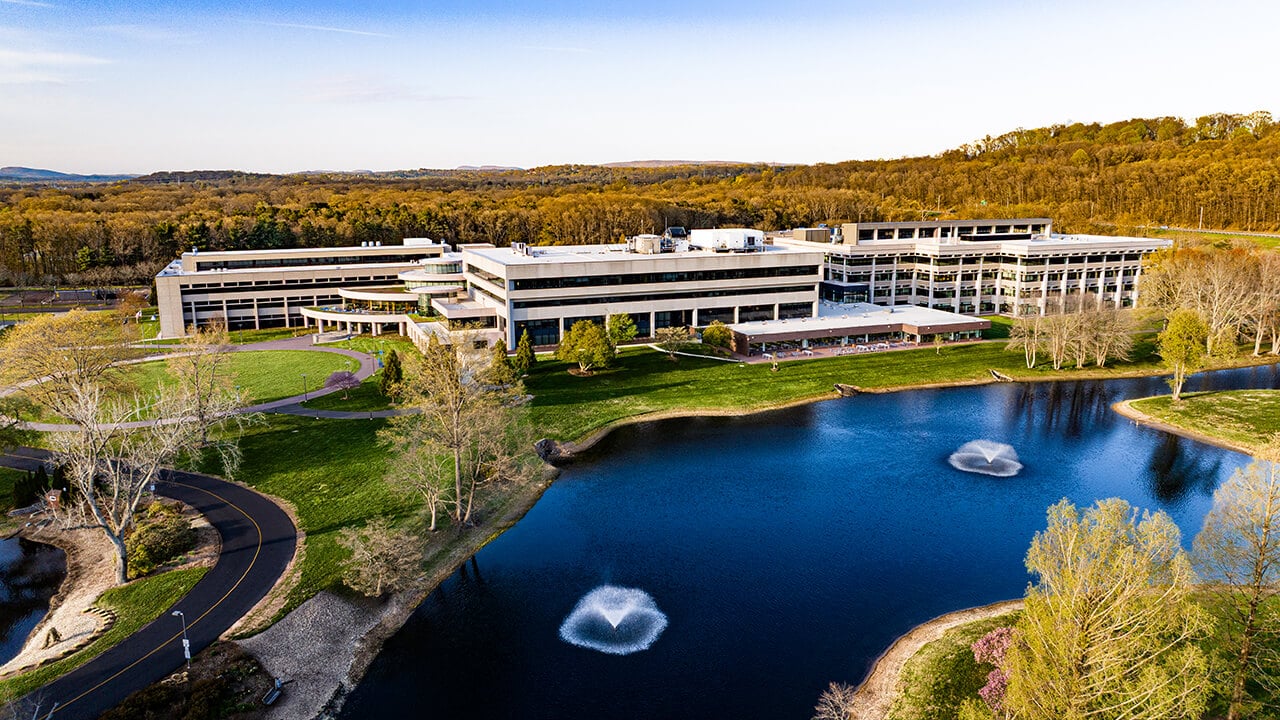
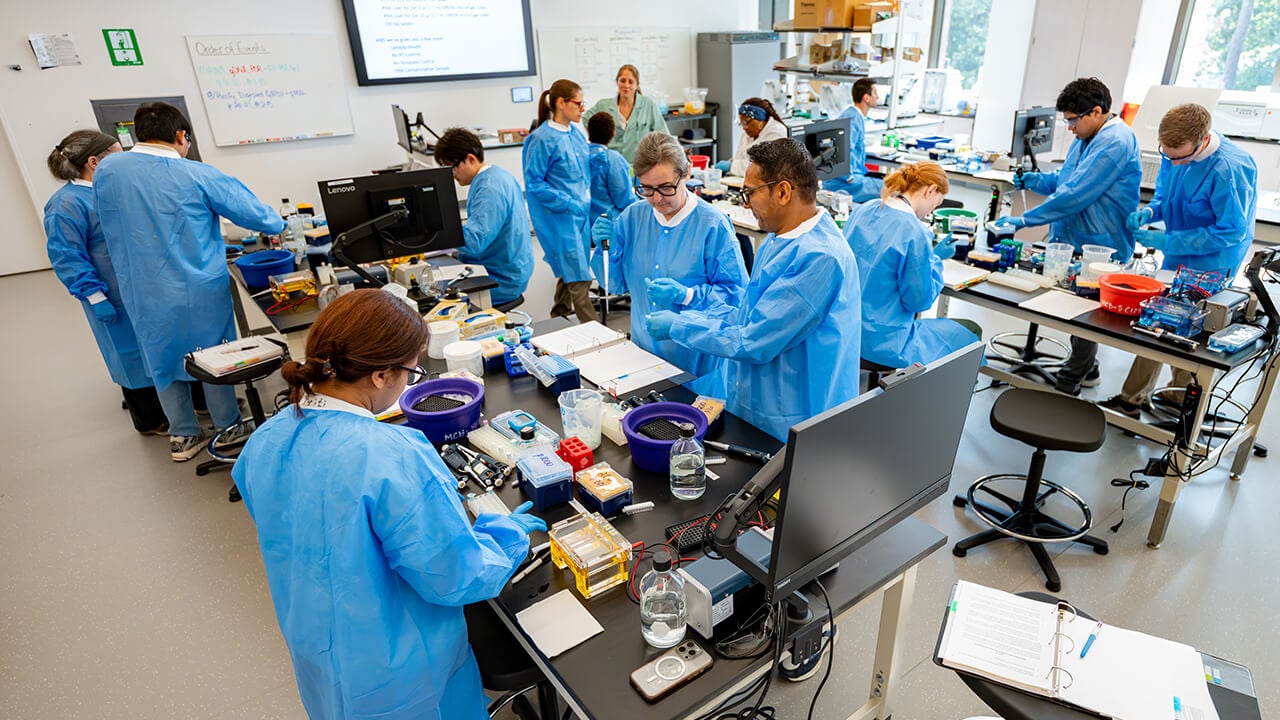
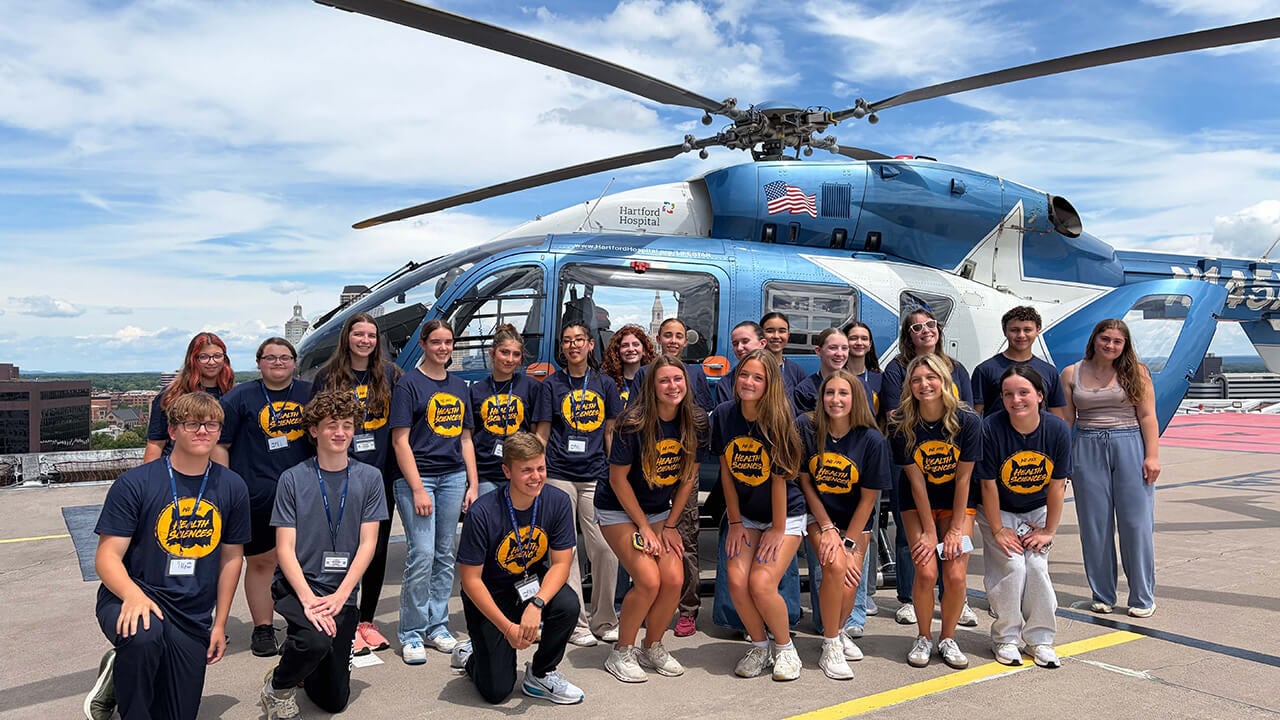
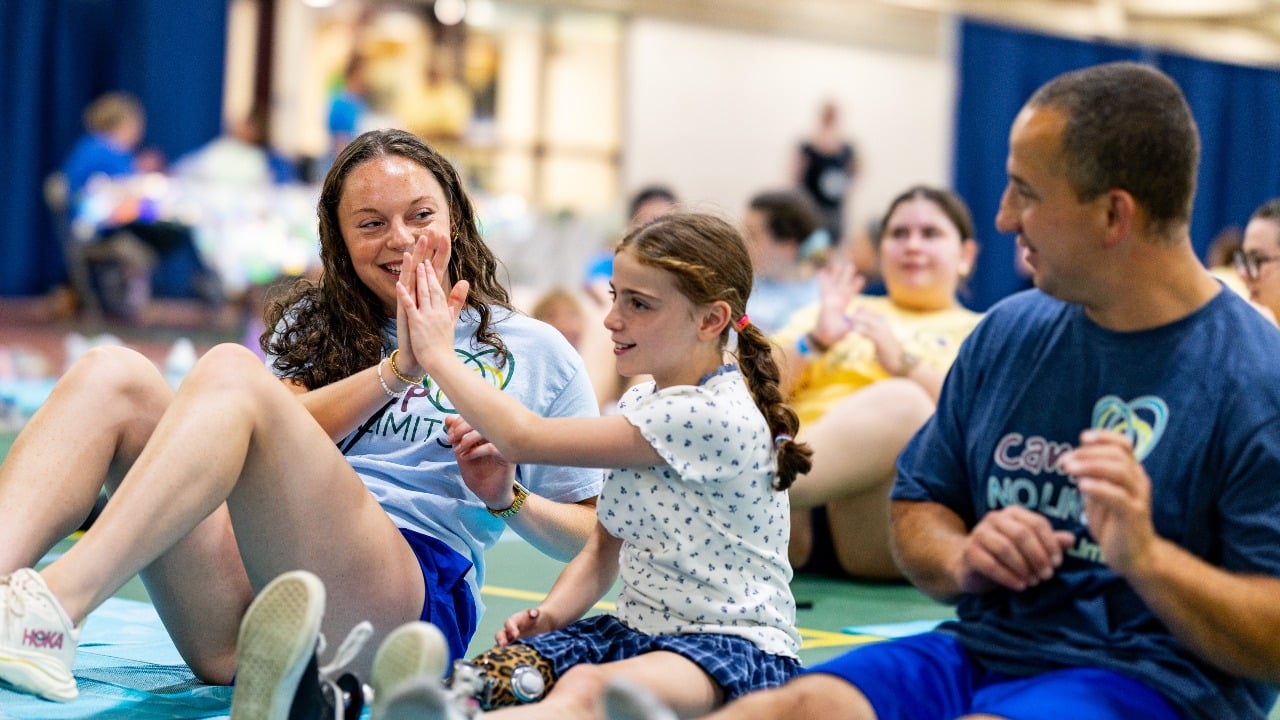
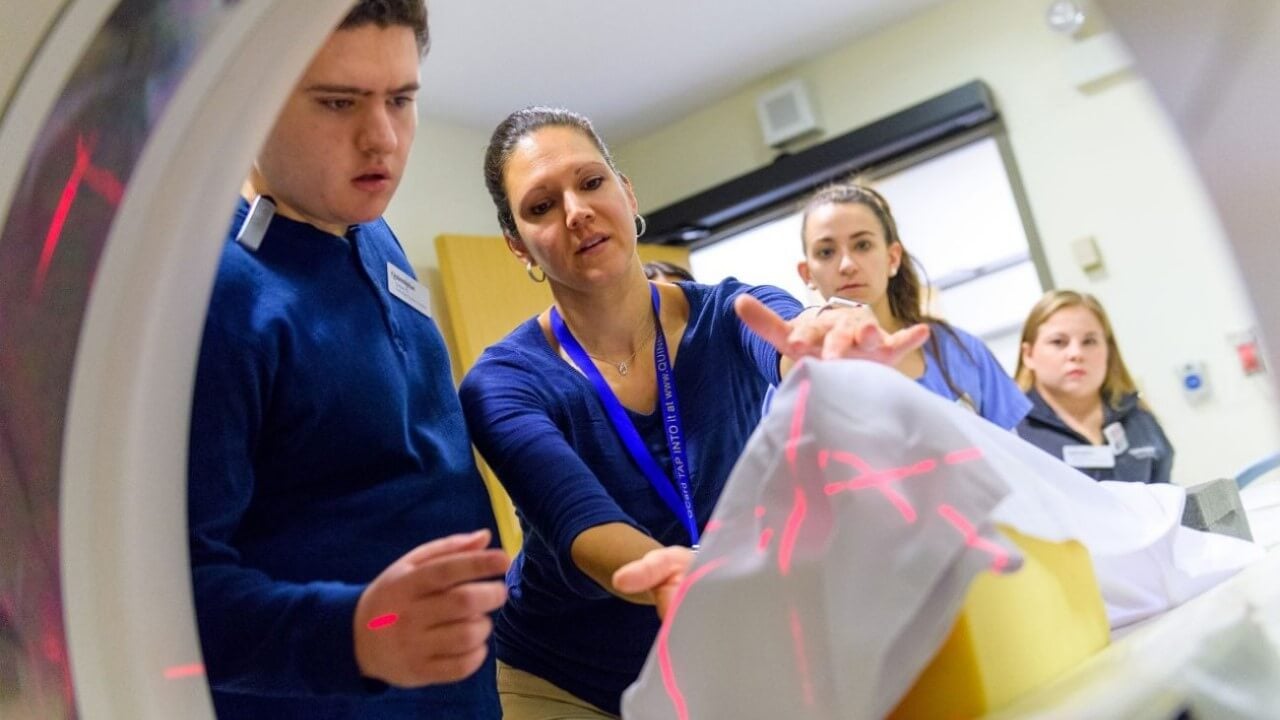
Julie Booth: So the center is housed on the North Haven Campus, and we provide opportunities for students primarily in the graduate programs and undergrad for nursing, but also some of the undergraduate programs to have an opportunity to learn about the other professions and how the different professions work together. So in a given year, we offer about 60 different seminars, and they're everything from learning about how to work with a child with complex medical needs to working those that maybe have been incarcerated and how their needs may be different. So we provide those seminars, but then we also have other opportunities for our students. So we kind of work on a longitudinal. So there's some basic information they learn about what interprofessional healthcare is. Then move into seminars that maybe they're working with standardized patients who are actors or expert patients that know a lot about a certain field. So it's a safe environment for the students to work as a team with those clients and then moving out into the community. So, for example, we do a clinic in Middletown for those that are either experiencing homelessness or close to experiencing homelessness and do screenings for them. So then the students are able to actually work with clients. So giving a really longitudinal experience for our students, so they understand and are comfortable in working on that interprofessional team. And here at Quinnipiac, we're so fortunate because we have the School of Nursing, the School of Medicine, and the School of Health Science. So we have so many different professions to work with. And then we also collaborate with institutions outside of Quinnipiac that provides other professions. So we work with an institution that has pharmacy students, one that has speech and language, so they're really getting the value of all these different professions and how they work together.
Joel Vanner: So all of these lived experiences that you have, the stops on your journey here to Quinnipiac, how do those help inform you as you interact with students and work on interprofessional healthcare experiences that our students have here?
Julie Booth: I think I can go two different directions in that. One is just letting students know that, and everybody know that, it doesn't need to be a direct path to where you end up. Like, I took a lot of detours along the way, and I have no regrets about that. I think it made me a more well-rounded person. And I think you just need to remember everybody should remember that no matter what you do, there's a learning experience that comes out of it, and you're growing. So that's one. And then the other is just my experience as a physical therapist, particularly starting at an institution that really valued interprofessional healthcare. I understood that, the importance of teamwork, understanding roles and responsibilities, and communication. And that really was part of who I am as a physical therapist. So I brought that forward in my other experiences. And as a physical therapist, I worked on a lot of different teams because I've worked in pediatrics. I've worked adults. I've worked adult rehab. I worked school-based. I've worked birth to three, all different areas where you can see that importance of the interprofessional team. So that really contributed to who I am right now.
Joel Vanner: And the physical therapy program here at Quinnipiac is very competitive. If somebody was looking at physical therapy programs, what, in your opinion, sets Quinnipiac apart from the rest?
Julie Booth: So I think that Quinnipiac's PT program is really strong for a number of reasons. One, we have amazing faculty, and I'm sure every other institution will say the same thing, but I truly believe that we have amazing faculty that are really committed to our students. Our faculty have an open door, so students are in and out of the offices. They're really building the rapport with the faculty members. Also, because of our other professions that are here at Quinnipiac, it's a really strong program in terms of having these interprofessional opportunities for our students. Additionally, the opportunities within the Quinnipiac PT program are strong. Like the students have opportunities to work with standardized patients who again, are professional actors. So it gives them a chance to evaluate these clients, work with them in the labs, so they really feel like it's a true client, only it's an actor. So again, it's a safe environment. We have lots of simulation opportunities. We have amazing facilities. Our clinical experiences are all over the world, including internationally, such as in Italy and in the United States, all the way from Alaska to Florida. So just those different opportunities and the committed faculty really make the Quinnipiac PT program stand out.
Joel Vanner: If you're interested, come be a Bobcat for a day through the Office of Admissions. Come visit Julie on the North Haven campus. There's plenty of resources out there to help you make your decision. Julie, thank you for joining me on the show today. I appreciated you sharing your experience and insights with us.
Julie Booth: Thank you so much for the opportunity.
Joel Vanner: If you enjoy today's episode of Who Are You, be sure to like, subscribe, and share, and find other episodes on Apple, Spotify, and YouTube podcasts. Until next time, when I ask my next guest, ”Who Are You?,” I'm Joel Vanner. Bye for now.








Quinnipiac Today is your source for what's happening throughout #BobcatNation. Sign up for our weekly email newsletter to be among the first to know about news, events and members of our Bobcat family who are making a positive difference in our world.
Sign Up Now