



The enduring art of healing: 250 years of American medical progress
July 01, 2026
July 01, 2026
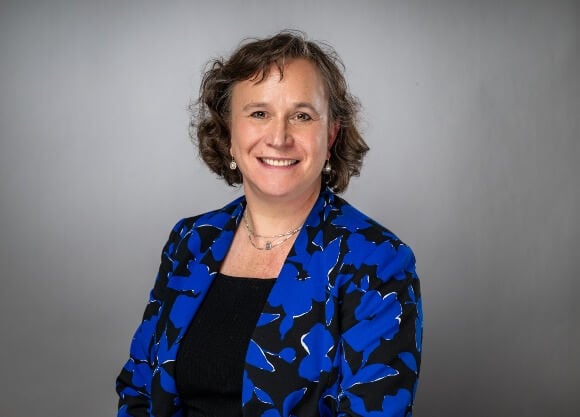
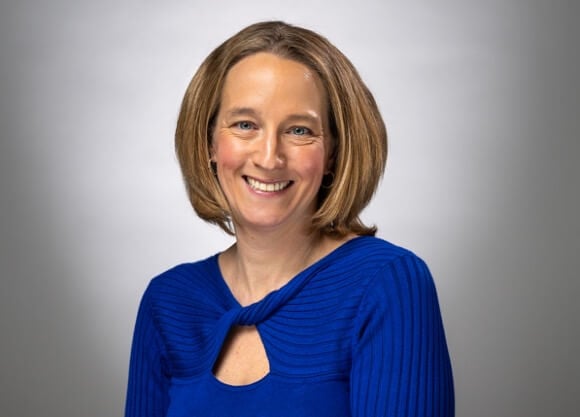
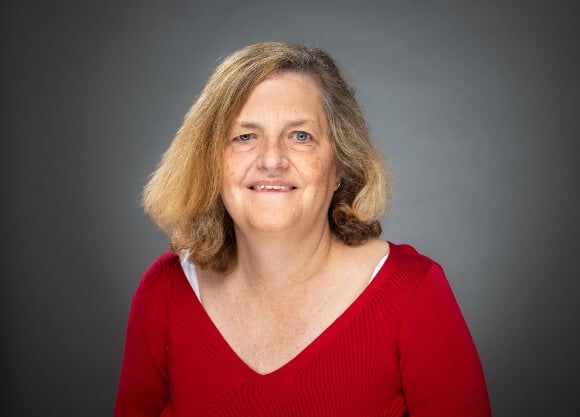
A recognized leader in healthcare communication and ethics, Pearlman is Frank H. Netter MD School of Medicine’s senior associate dean for education and an associate professor of medical sciences. Looking back at its origins, she highlights just how far the field of medical sciences has come.
“When the United States declared its independence in 1776, medicine was a very different profession. Physicians had few effective treatments, little understanding of why diseases occurred and limited ability to change their course,” Pearlman said.
Care was based largely on observation, experience and long-held traditions. Infectious diseases were among the leading causes of death, surgery was often more dangerous than the illness itself and many conditions we now consider readily treatable were frequently fatal.
Over the past 250 years, however, healthcare has undergone one of the most remarkable transformations in human history.
“The story is not simply one of technological innovation, but of an ever-deepening understanding of science, a growing commitment to evidence and an expanding appreciation for the human experience of illness. Medicine has evolved from treating disease to caring for the whole person,” said Pearlman.
One of the earliest and most profound turning points came with the scientific revolution in medicine.
“Understanding that microorganisms cause infection — not ‘bad air’ or imbalances of the body’s ‘humors’ — fundamentally changed medical practice,” Pearlman said. “Hand hygiene, antiseptic surgery, sterilization, vaccines and antibiotics dramatically reduced suffering and extended life expectancy. These advances transformed hospitals from places where many feared to go into places where healing became increasingly possible.”
The 20th century brought another revolution through evidence-based medicine. Rather than relying primarily on individual experience or tradition, physicians increasingly turned to carefully designed clinical research to guide diagnosis and treatment.
This shift fostered a culture of continuous improvement, where new discoveries are rigorously tested and incorporated into practice, allowing medicine to continually refine itself in pursuit of better outcomes. In the 21st century, modern technology has accelerated this progress at an extraordinary pace.
“Advanced imaging allows physicians to diagnose disease without surgery. Organ transplantation, minimally invasive procedures, targeted cancer therapies and sophisticated critical care have changed what is possible for patients,” Pearlman said. “Today, genomics and precision medicine are enabling treatments tailored to an individual's unique biology, while artificial intelligence is emerging as a powerful partner in analyzing complex medical information and supporting clinical decision-making.”
Pearlman notes the legacy of Dr. Frank H. Netter reflects this remarkable evolution in medicine. A physician, surgeon and gifted artist, Netter recognized that scientific discovery has its greatest impact only when it can be clearly understood and effectively applied to patient care. Through his iconic medical illustrations, he transformed complex anatomy, physiology and disease processes into images that have educated generations of physicians, nurses and other health professionals around the world.
“His work reminds us that medicine is both a science and an art — requiring technical excellence, careful observation, curiosity and deep respect for the individual patient. It is fitting that the Frank H. Netter MD School of Medicine bears his name, preparing future physicians who embrace innovation while never losing sight of the human connection at the heart of healing,” Pearlman said.
When looking back at the last 250 years of medical progress, Pearlman emphasizes the greatest lesson we may learn is that better technology alone does not create better healthcare. Modern care is increasingly collaborative, bringing together physicians, nurses, pharmacists, therapists, social workers, public health professionals and many others to address the needs of the whole person.
“We have come to recognize that healing depends not only on scientific discovery but also on communication, compassion, teamwork and an understanding of the many social factors that shape health. Prevention, mental health and community partnerships have become as important as treating disease itself,” Pearlman said.
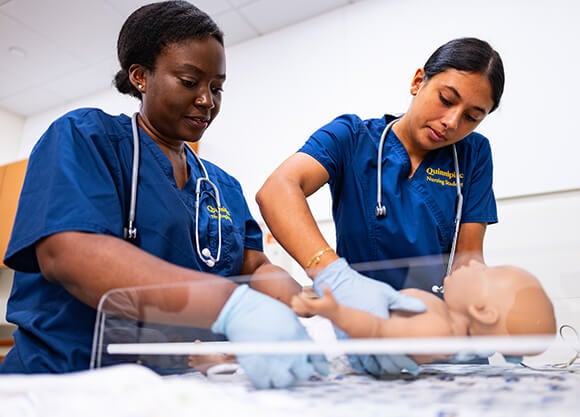
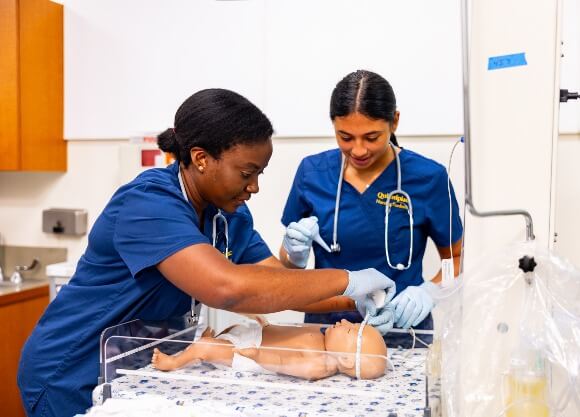
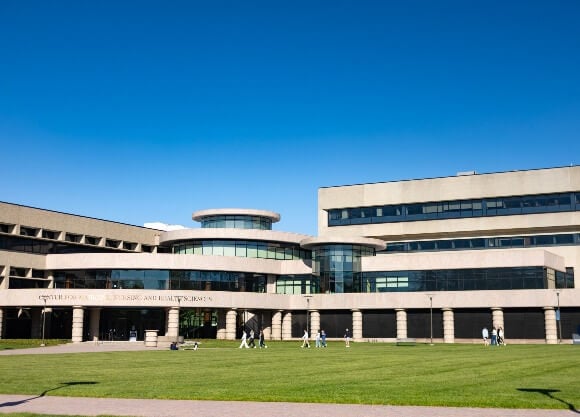
This collaborative, human-centered vision is reflected throughout Quinnipiac’s health sciences programs. Across the Frank H. Netter MD School of Medicine, the School of Nursing and the School of Health Sciences, students learn not only the science of medicine but also the values of empathy, interprofessional teamwork, lifelong learning and service.
“They are preparing for a future in which extraordinary technological advances must always be guided by sound judgment, ethical leadership and genuine human connection,” said Pearlman.
As America celebrates its 250th anniversary, Pearlman said medicine offers one of the nation’s most compelling stories of progress — moving from an era when physicians could often offer comfort but few cures, to one in which they can prevent disease, replace failing organs, sequence genomes and personalize treatment for individual patients. Yet the profession’s deepest purpose has never changed.
“Whether in 1776 or 2026, healthcare begins with one person seeking help from another,” Pearlman said. “The science has evolved beyond imagination, but the commitment to relieve suffering, promote healing and care for patients with compassion remains the enduring foundation of medicine and will continue to shape its future for generations to come.”





Quinnipiac Today is your source for what's happening throughout #BobcatNation. Sign up for our weekly email newsletter to be among the first to know about news, events and members of our Bobcat family who are making a positive difference in our world.
Sign Up Now