


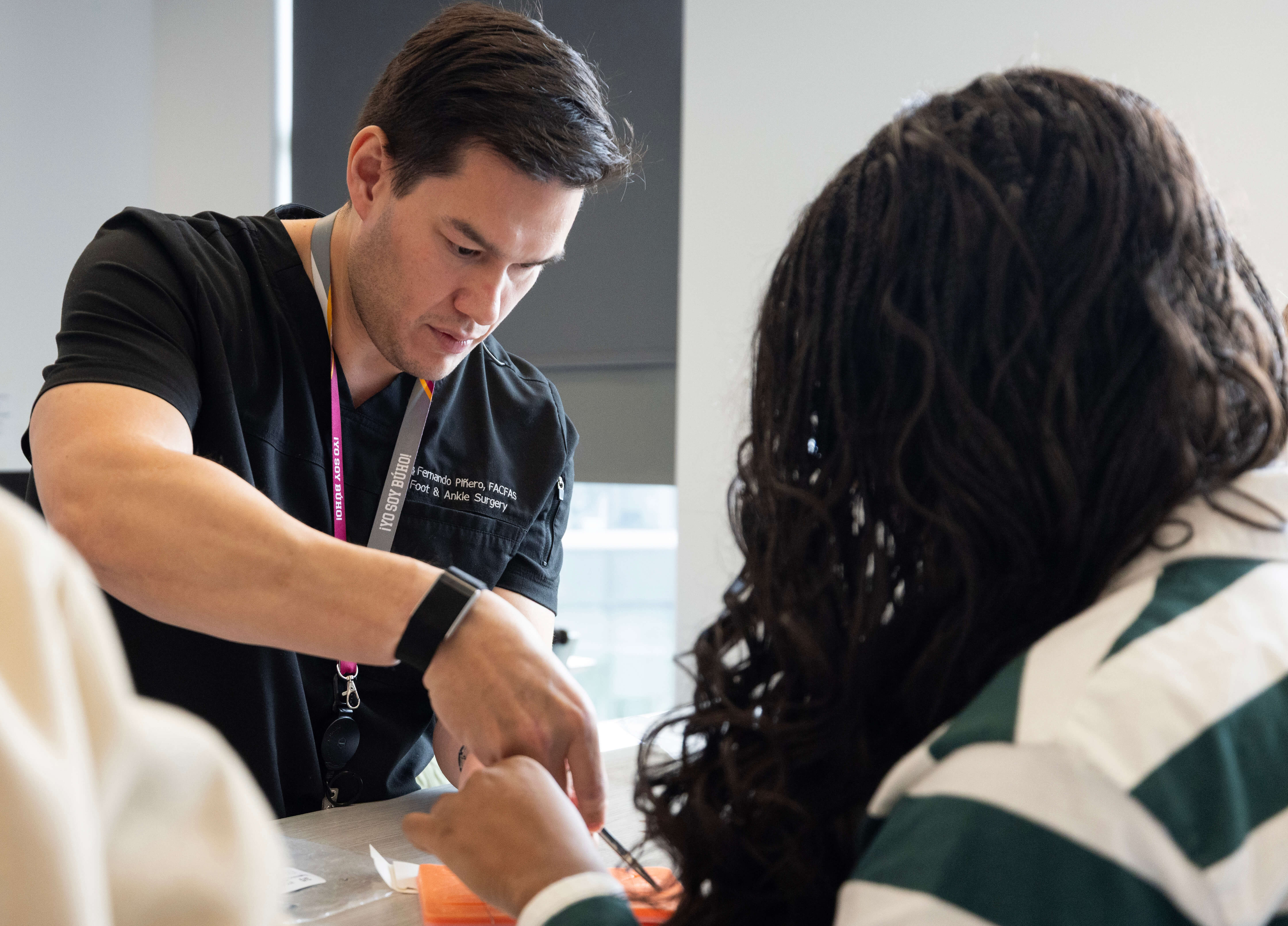
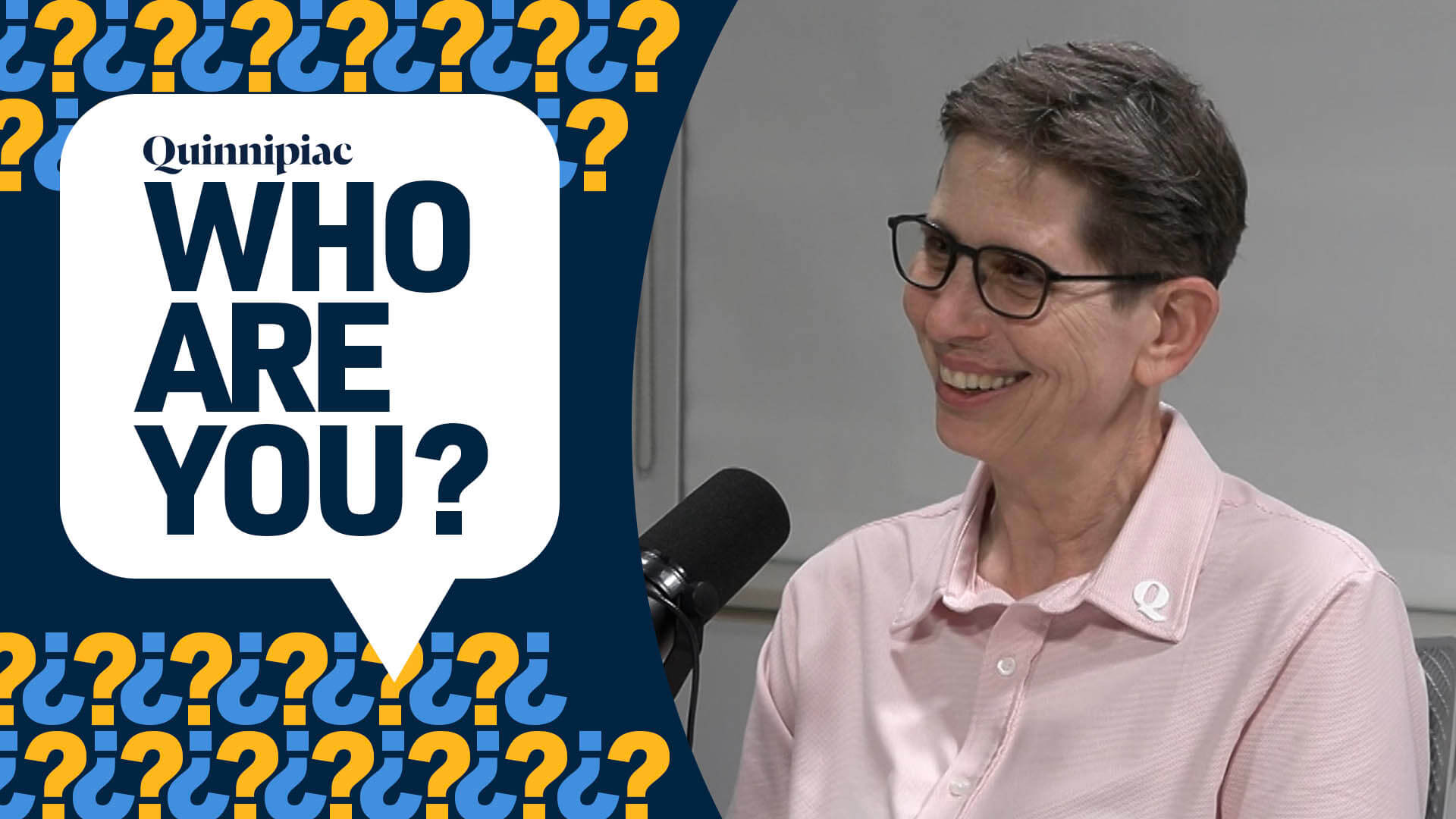
‘Who Are You?’ podcast with guest Dean Adam Roth
How one opportunity can change your journey in life

How one opportunity can change your journey in life
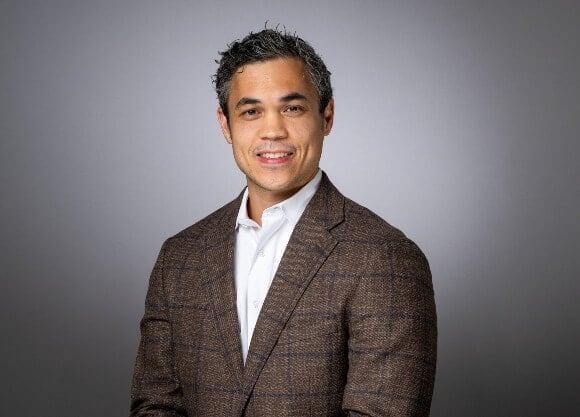
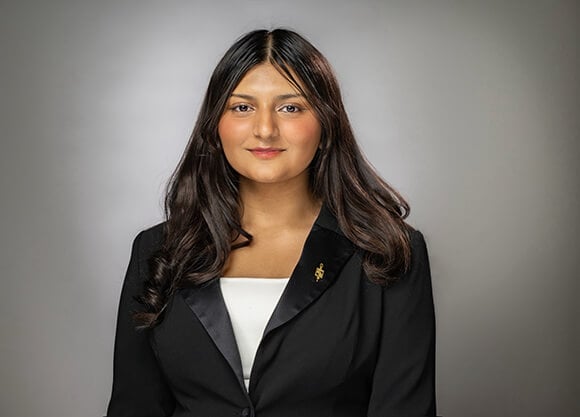
Joel Vanner: Hi. Welcome to ”Who Are You?,” The Bobcats, you know, the stories you don't. I'm your host, Joel Vanner, inside the podcast studio at Quinnipiac University's School of Communications, and I am joined today by my guest, the Dean of the College of Arts and Sciences. Adam Roth. Adam, welcome to the show.
Adam Roth: Thank you, Joel. It's great to be here.
Joel Vanner: So I'm sure you could guess, either if you've seen previous episodes or just by the name of the show, what my first question to you is going to be. And that is, who are you?
Adam Roth: Well, I'm currently the Dean of the College of Arts and Sciences at Quinnipiac University, and I'm just starting my fifth year here. It's hard to imagine it's moved quickly, but it's been such an amazing experience to be in this institution with so many incredible people.
Joel Vanner: Congratulations. Into year five. We'll get into what makes up the College of Arts and Sciences a bit later. But I'm curious to start with, tell me about your journey in higher education and then your journey to Quinnipiac.
Adam Roth: Well, that's a really good question, Joel. It was a circuitous route, and college wasn't necessarily when I was in high school, the path that I knew I was going to pursue, and it wasn't until late in my senior year of high school that I decided to go to college and a principal talked to me about a particular college, a large public state institution in another state outside of New Jersey where I'm originally from. And I was actually an at risk high school student, if you can believe it, I was on the borders, and I was in school systems that had been taken over by the state. They had been in receivership. By the state. And so it wasn't easy for me to get into college, but I was accepted into a special program, a transitional program called Step. It was a summer transitional educational program, and it was designed for students who are at risk or who were from marginalized, underrepresented communities who they thought had potential to succeed in college, but they weren't convinced of it. And they wanted you to come the summer before and take some classes and see how you. And I did okay. And they allowed me to stay. And I wound up thriving in college because I had an opportunity to meet mentors who guided me, people who I really began to identify with intellectually, culturally, who shared many of the same values as me. And that began my journey in higher education. And I really began to excel in college. I found my path, but it wasn't until my senior year of college where I decided I wanted to go to graduate school. I had a dual major in business and communication in two different schools in the College of Arts and Sciences and in the School of Business. And I thought I would just go work in business until I realized, I think I want to go to graduate school. And I spoke with a professor at the time who had been a great mentor. This was a person I went to his office hours regularly, and I chatted with him about life, about issues in class, and I said, I really would like to go to graduate school for rhetoric. I'm really interested in communication studies and rhetoric. And he picked up the phone, and he started calling around schools in the area and outside that might have opportunities at this point. And it was late in my senior year already. I think it was probably March or April, and applications had already been submitted. He got me into a program, and I quickly submitted an application. I quickly got letters of recommendation in, and off I was, and the morning of my graduation, I got an email, and email was new for me at the time. I'm dating myself. But it said, congratulations. You've been accepted into the PhD program. And my eyes almost rolled to the back of my head because I thought I had only applied for a master's degree. I didn't even know that I had applied a big difference there. It was just extraordinary. And I wound up on this path into graduate school. And again, I kept thinking I'd go off into business after I got my degree, but I loved it so much that later into my studies and my doctoral program, I decided, I want to be a professor, and I became a professor.
Joel Vanner: And what subjects did you teach as a professor?
Adam Roth: So, I began as a professor of communication studies. I started at the age of 26. I finished pretty early. I went directly through. And I loved being a professor. I loved teaching, and it was a wonderful opportunity to have an impact on students, but I also quickly realized that I wanted to use my skills and my entrepreneurial spirit in the academy. And so I always took on administrative responsibilities. Of course, they were lower level administrative responsibilities early in my career. And I've taken on increasing levels of responsibility across my 20 plus years in higher education.
Joel Vanner: And so Quinnipiac, how did Quinnipiac come into the picture for you and the role of the Dean of the College of Arts and Sciences?
Adam Roth: To be honest, Quinnipiac was always on my radar. I always thought it was a phenomenal institution. I had heard of it from a distance. When I was in college, I knew of a friend from high school who went to Quinnipiac, and in previous jobs, I had heard that a lot of really innovative things were happening at Quinnipiac and it was a place that I was interested in, and I had looked at job opportunities. I had looked at the website before. I also had been running a School of Communications and media in a previous position. I had been an Associate Dean of a College of Arts and Sciences before. So I'd had administrative roles for a while, and I started to think that I might want to apply for Dean opportunities, and low and behold, this position opened right during the pandemic at Quinnipiac for Dean of the College of Arts and Sciences. And I thought this looks like the ideal position for me, and I turned to my wife and I said, I need this job. This would just be incredible. And I thought, There's no way they're going to hire me for this position. And it turns out they did. And it has been really a dream to be here and a true privilege.
Joel Vanner: In the beginning, you talked a lot about it, sounds like your mentors, and the mentorship you received really got you to the points that you were, and here today as the dean of our College of Arts and Sciences. We'll get into some of the mentorship and student experience in the college in a bit. Um, but tell me more about the College of Arts and Sciences, what makes up the college and the impact it has here at Quinnipiac?
Adam Roth: Yeah. So the College of Arts and Sciences, I always describe as the academic heart and intellectual core of Quinnipiac University. It is where every single undergraduate student will take a large number of classes, beginning in their first semester. Almost the entire university curriculum and general education program comes out of the College of Arts and Sciences. So when you're taking your first year writing or math courses or if you're interested in a language course or social science class. If you're pre med wherever you are, every pre med course is in arts and sciences. And then, in addition to that, we have 1,700 majors and about 1,200 minors in our programs that traverse the physical, natural and life sciences, social sciences, humanities, culture, arts, and cutting edge areas like game design and development and behavioral neuroscience and data science. So it's incredibly broad. And that is quintessentially a liberal arts college overall. We are broad. We are deep. We're trying to train people to be liberal minded. Now, that doesn't mean political in any way liberal. It means free thinkers. It means broadly skilled, versatile, adaptable, nimble, agile, who have durable skills that are applicable to a wide variety of industries, careers, lifestyles, and also public service and citizenship.
Joel Vanner: And to bring all of that together and deliver that education to our students, faculty are a huge, huge part of that. Tell me more about the faculty in the College of Arts and Sciences and what sets them apart.
Adam Roth: Joel, they are second to none. And when I was looking at Dean positions, obviously, one of the most important things you want to look at are the people you're going to be working with. The faculty in arts and sciences bend over backwards day in and day out to support student success. And I see it all the time, and I find it really inspiring and admirable, as well. And when I interviewed for this job, the interview was fun. It was all online. It was all on Zoom. It was COVID, right? But I remember a town hall forum with faculty, and I don't know, there were 50, 100 faculty or so. And I enjoyed the conversation so much with these people. That gives you a taste of what it might be like, but it's not until you get on campus and you really work with people when you get a sense of who they are. And I have to say, I was even more pleasantly surprised when I arrived on campus. And now, four years later, working with these individuals, they are so committed to what they do, so passionate about their subject matters, their disciplines. And Quinnipiac. They're committed people who really love this institution and they want to see us do our best and they really want to serve the best interests of Quinnipiac. So I have just love working with the faculty and I have to say the staff of the College of Arts and Sciences. They are just really remarkable individuals, and every day they help support and advance the mission of the college.
Joel Vanner: Supporting students. There are some programs in the College of Arts and Sciences for experiential learning, study abroad opportunities. What are some unique characteristics in the College of Arts and Sciences for students support faculty led initiatives that.
Adam Roth: Right. We believe in personalized individualized attention, even though we have 1,700 majors, and we serve 6,500 undergraduate students and, of course, graduate students as well. But we still do a lot of faculty led trips abroad, right? That's a signature feature of the college. So you can be in a French class and you can go to France for two weeks with a faculty member and earn three credits while you're doing that and drinking wine in Bordeaux region or wherever that might be. We had an amazing game design and development course that was studying a particular game that is based in Florence, Italy. I think it's called Assassin's Creed, and they went to Florence and they sort of studied all the historical origins of the game in the setting. For this game. So we host a lot of those kinds of what we call faculty led trips abroad, and we help to underwrite and support many of those with scholarships that donors fund. We also have a signature program called QU in DC. Students have an opportunity either for an entire semester or for a short term period, a week or two to go to DC and to study and intern in the legislative, the judicial, and the political systems of this country. So a really transformative experience for students who might be in criminal justice, political science, even philosophy, law and society, and other areas of the college. We believe so strongly in experiential learning in getting students out into the world to experience what they're actually learning about in the class that we've devoted a fund called the Experiential Learning Course Fund, where faculty can now apply every semester for up to $25,000 that's funded through donors for money to take their students outside the classroom, whether that's a theater course that's going a theatrical performance in New York City or even around the Connecticut region.
Joel Vanner: That's awesome. So it doesn't even have to be a big trip, a whole course devoted to a trip. This fun lets them take their courses on smaller.
Adam Roth: Exactly.
Joel Vanner: Around the region.
Adam Roth: Yeah. DC, New York City, Hartford, Boston, you name it, they go.
Joel Vanner: And the College of Arts and Sciences also has a pretty comprehensive career development office as well. Yeah, right?
Adam Roth: That's right. And it is so important that our liberal art students, our humanities students understand that liberal arts and humanities skills are going to be in increasingly high demand in a future that will see the prevalence of robots and artificial intelligence replace or displace up to 40 or 50% of jobs. But those human literacy skills are really hard for robots to replace.
Joel Vanner: And how is the College of Arts and Sciences helping students learn those skills?
Adam Roth: Well, we have developed what we call a liberal arts plus model, actually, an experiential liberal arts plus model. And what we do is try to embed skills and competencies across the curriculum in all of our programs, from English to history, political science to data science. So just because you're in English, does it mean that you're not learning data literacy and technological literacy skills? Just because you're in history doesn't mean that you're not becoming digitally literate, because we want our students to have human literacy skills, data literacy skills, and technological literacy skills.
Joel Vanner: So the College of Arts and Sciences also has the S.I.T.E Building, which is the Science, Innovation, Technology, and Exploration, right? I got it right.
Adam Roth: Yeah.
Joel Vanner: Tell me more about the facilities available there and the site, and how those contribute to the experience of a college student.
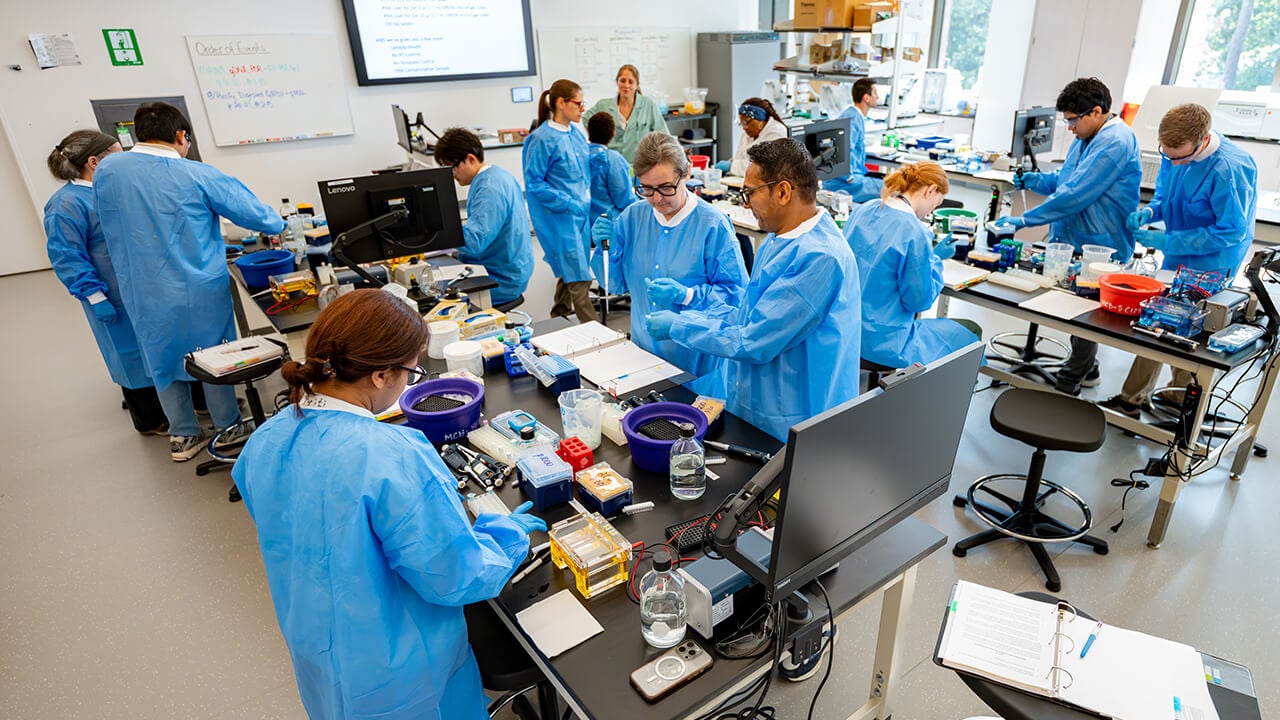
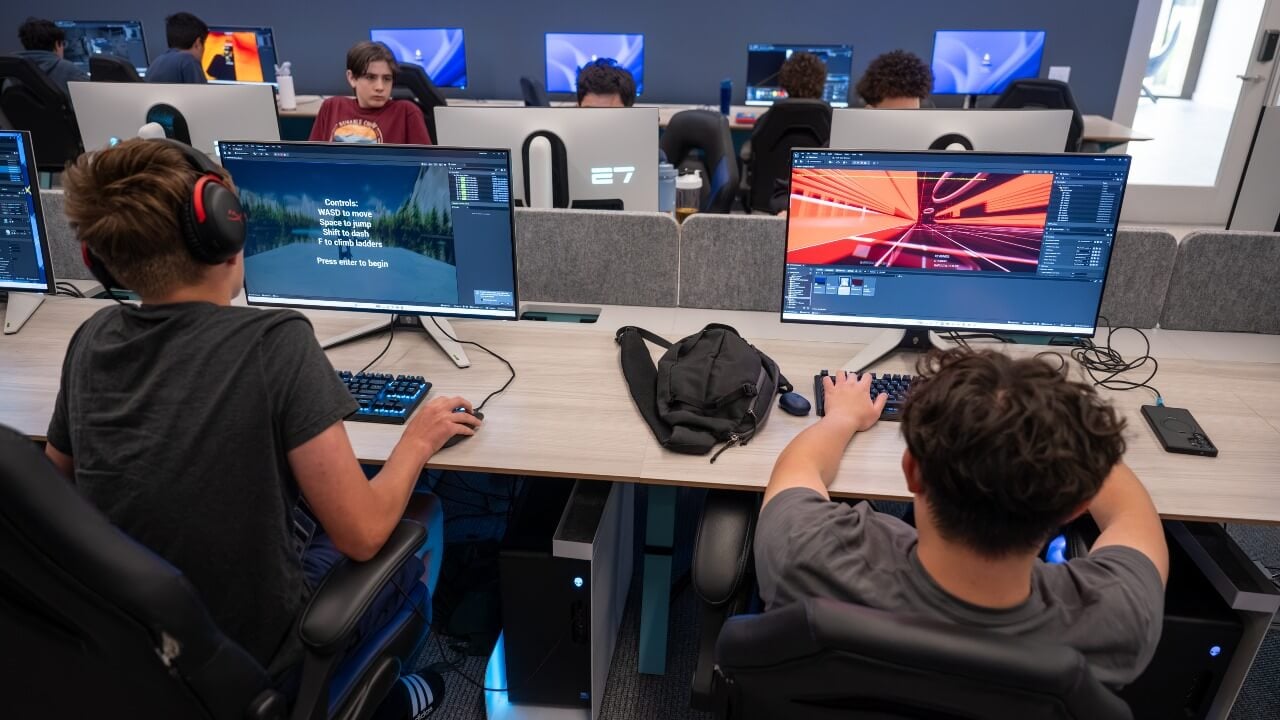
Adam Roth: Yeah, S.I.T.E Is a really innovative interdisciplinary facility. It's one of many facilities that we do have. But it's really unique in the sense that we have cutting edge science and research capabilities in the space, particularly for chemistry, biochemistry, biology. We also have cutting edge technology spaces for game design and development, artificial intelligence. Upstairs, We have environmental science laboratories. In the basement. We have a large vivarium that's primarily occupied by our behavioral neuroscience program, and we have a greenhouse. On the third floor for our environmental science program, as well. Of course, it's also home for student services. So our Dean's office is there. Our career and advising Support Center is there. When students need an advisor, when they need to talk to a dean, when they need help with a resume, when they're looking for an internship, whenever they need support, they come to S.I.T.E, and it is our central hub for student resources. We're a large college, so we are spread across many buildings, but S.I.T.E is our home.
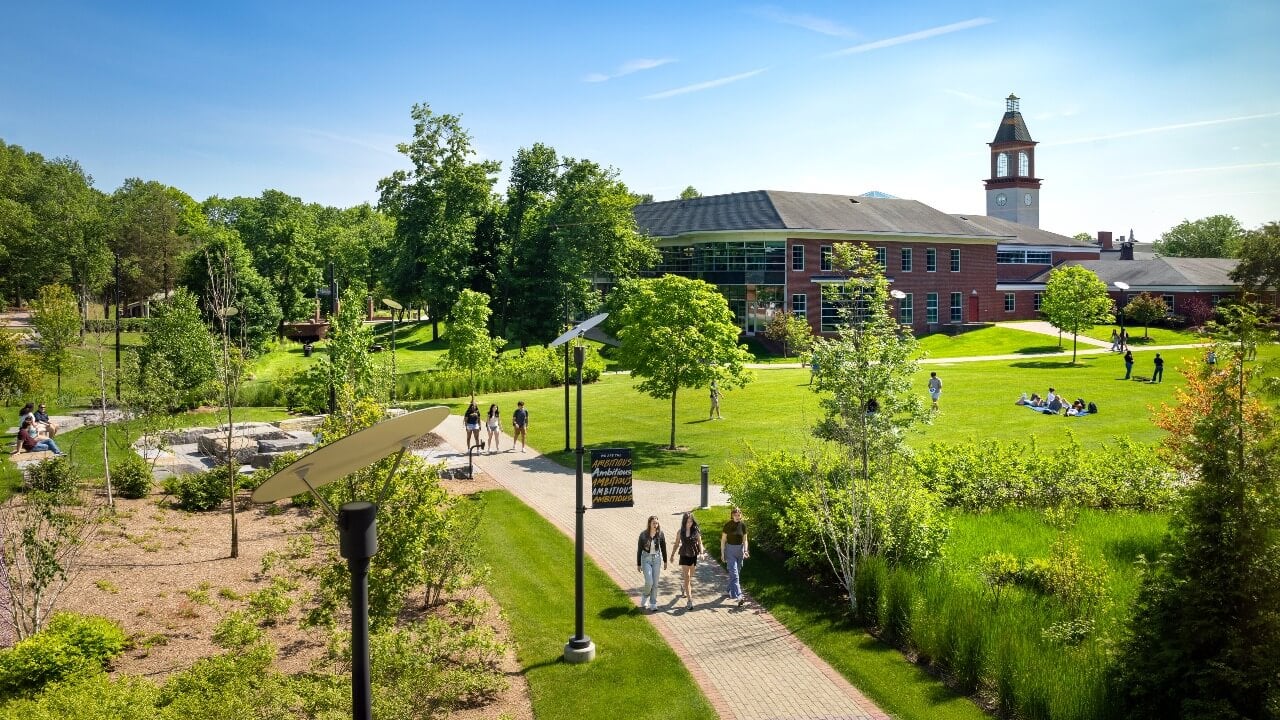
Joel Vanner: Just like every other building on this campus, it's beautiful, and you have to come visit to see it for yourself.
Adam Roth: Yeah.
Joel Vanner: In addition to facilities, I think as we mentioned in the beginning, one of the things that sets the college apart is the mentorship opportunities from faculty. And the mentorship opportunities that you've been able to give back as the Dean, similar to ones you received.
Adam Roth: Exactly.
Joel Vanner: Tell me more about the mentorship opportunities you've been a part of and how you've seen those have an impact on your students.
Adam Roth: Joel, I think you said it, right? I always feel this obligation to give back in the way that my mentors have given to me, everything I've learned in life has been from a mentor in one context or another, and I want to pay it forward, and I want to support students in any way possible to help them to be as successful as they want to become. I have high standards for our students. I often think they can accomplish a lot more than they initially realize that they can, but I still work with students regularly. In fact, the college has an advising model where every single student has their own academic advisor. They are paired with a faculty member and they receive that one on one guidance. Of course, they can always come to our advising commons, they can meet with other advisors, but they have that faculty advisor, and that faculty advisor is trained to integrate academic and career advising together because they should not be separated. They go hand in hand, and we want to help students align their academic pathway with career opportunities and career communities. And I love the chance to do that with students, and sometimes it takes a while. And sometimes I work with students who think they want to be in one path, and they come back to me and they say, Dean Roth, I think actually now I really like game design or I really like history or I actually want to be a teacher now. But we make it possible to have those changes take place without really impacting your time to completion for your degree because there's so much flexibility built into the curriculum. Plus, we have 46 credits of general education that students complete, as well. So often we can really help students transition from one major to another, still complete within four years, sometimes even less and pursue their passions. And often that takes a lot of speaking with students, not just about what their passion is because your passion doesn't have to be your career, but where you think you might want to work. Keeping in mind that students today might have 60 year careers because they're going to live a lot longer than I'm gonna live just based on life expectancies. >>Changed by AI, too. >>Changed yes. Exactly. Artificial, you know, organs that they might have in the future, as well. And they're probably going to switch industries four, six, eight times in their life. They're probably going to have 8-12 jobs. So they have to remain nimble, agile, versatile, adaptable, and self-educated. We cannot train students for just one job that might become extinct in five or ten years, one skill that will no longer be needed because AI can replicate that in a matter of weeks. We have to train students with those human literacy skills, those ways of being adaptable in the marketplace, so they can take on new responsibilities across their career.
Joel Vanner: So you're going into your fifth year as Dean here. What are you most proud of that you've accomplished during your time as Dean, or you've seen come out of the education that students have gotten?
Adam Roth: It is amazing. I'm starting I feel like I'm just getting started. There's so much to do, and I feel so energized for the road ahead, but we have accomplished a great deal over the past four years. One, we've developed a lot of programs, interdisciplinary programs that bring the strength of a variety of areas together, like health medicine and society, for instance, training people to work in health professions or in para health professions. We have, as I mentioned, incorporated skills and competencies across the curriculum to really help our students transition from the academic to the professional world. And we're seeing the results of that. Clearly, our success rates of students who are getting jobs within six months of graduation or in full time graduate programs within six months is just off the charts when you look at colleges of arts and science. We usually hover around 99% of students with a very high response rate. Usually, about 80% of our graduates are responding to those surveys so that we know the data is credible and reputable. And if you look at other schools, I don't think you're going to find those incredibly high success rates, and a lot of it should be attributed to our faculty, to our career development. Team to the entire career preparedness orientation of Quinnipiac University. I'm also really proud that we have alumni and friends and donors who have invested heavily in the College of Arts and Sciences and in impacting the student experience positively. They're underwriting scholarships, they're underwriting experiential learning opportunities, they're underwriting study abroad programs, even in areas like history and ethics, which are not always the easiest. Raise money for we have. And I think that really shows the impact that we're having on student success. The donors are coming to the table saying, I see the results, I want more. How can I invest to really support and underwrite what you're doing? And at the Dean's office, we've worked really hard to support our faculty, to support our department chairs, and to really strive towards operational excellence. And I think we've done a great job of that. Our faculty are thriving. They are incredible researcher, teacher, scholars, creative thinkers. They're producing creative works. They're presenting scholarship all around the country. I always joke that when I came to Quinnipiac, one of the first things I had an opportunity to do is look at student feedback on teaching. Students, you know, complete these evaluations at the end of every semester, and I've seen these at other institutions in my career over the past 20 plus years. And I thought when I looked at the ones at Quinnipiac that something was wrong with the survey instrument because I had never seen scores that were so high before. But year after year, semester after semester, those averages have been the same, and I find it really inspiring that our faculty are scoring so high from a student's perspective in terms of being excellent teachers. I really think it's an outlier in higher education.
Joel Vanner: And then, for you know, alumni to want to give back. It just means the impact that the college had on them and their careers was just that great.
Adam Roth: Yeah, and we've developed this alumni Advisory Council for the college, as well. So we've brought a bunch of alumni who are really thriving in their respective fields and professions into this council, they meet on campus twice a year. They meet with dozens and dozens of students and faculty. Students have an opportunity to collaborate and network with alumni and with the Advisory Council. And I think that's really key, too, you know, Quinnipiac has over 70,000 alumni around the world, and the ability for our students to meet them, to network with them is really transformative. And alumni want nothing more than to help our students become as successful as they've had an opportunity to become.
Joel Vanner: Mentorship, networking, all of that is great stuff. My last question to you, and it may be the hardest question. For those listening or watching out there who may not be sure if college is the place for them, a similar story to the one you shared in the beginning. What would you say to them as they're evaluating their decision on college?
Adam Roth: Yeah. And I do meet with high school students not regularly, but still infrequently, who are thinking about college. And we bring high school students to campus for certain thematic days that we host. And for many of these students, college is not necessarily on their radar. Um, if someone truly is not sure that college is right for them, then it might be time for them to step away to graduate high school and work for a year and determine what path they would like to pursue. I think the evidence is clear that students who matriculate through college and have an opportunity to complete a degree have tremendous amounts of earning potential moving forward. And it's not to say if you work in the trades or other places that you're not going to do well. And I did that earlier in my career in high school. I've worked in factories and I've done landscaping and I've done construction. Those are very noble professions and trades, and in fact, I was very happy in those jobs. But college is a differentiator, and it prepares you for life in very different ways. But you do need to be prepared for college. I was not when I went to college. I was barely prepared. And I think if it weren't for exceptional mentors who took me under their wing and guided me appropriately, I would not have been as successful as I have been able to become. And I really credit my mentors with that to a large extent. But certainly, college is a transformative opportunity. There are many opportunities to go to college. Quinnipiac is not the only place, obviously. Sometimes it makes sense to go to a lower tier or community college and work your way into Quinnipiac. We accept many transfers from community colleges into Quinnipiac, and those students wind up thriving here. So I think you really need to figure out what path you would like to pursue. But a great deal of pressure is placed. Too much pressure, if you ask me on selecting a major. And that really does a disservice to our students because, yes, students come to us. They know they want to be doctors and they want to study biology. That's great. But when I went to college, I didn't know what I wanted to do.
Joel Vanner: Not everybody knows. And they shouldn't that early. Yeah.
Adam Roth: They shouldn't. It's Unfair to expect a 17 or 18-year-old to know exactly what they want to major in and what they want to do after they graduate. I think it's wonderful to come in and explore, to take classes, to figure out which ones really interest you, to decide on a major. And often I always say, a major is really a misnomer because it's not always a majority of the courses that you take in college. A traditional bachelor's degree is 120 credits. Many of our majors are under half of that. Some of them are even in their 30s. So it's not a majority. It's a focus area. It's a concentration, and it doesn't have to be a direct pipeline to what you're going to do for the rest of your life. And that's a hard conversation to have with students, but even more difficult with their parents.
Joel Vanner: Especially when you need to choose.
Adam Roth: Yeah.
Joel Vanner: At the end of the day.
Adam Roth: Well, parents, what do you do with a history degree? Well, you can do anything that you love. You can go to law school. In fact, you could go to med school. Nothing precludes a history major from going to med school. They just have to complete the sequence of pre med classes just like any other student would have to complete that. And med schools love students who come with humanities degrees. It just so happens that most med students are interested in science, and so they study science programs, but you don't have to. What do you do with an English degree? Again, anything, marketing, public relations, advertising, law, whatever you would like to do, you can do because you're learning fundamental core skills that are durable, that are transferable, and that are applicable to a wide variety of industries and careers. But that is sometimes a hard pill. For people to swallow or to really understand because they're used to direct pipelines from college into a job. We don't always have to think about it as vocational training, but we should think about it as career professional training and development.
Joel Vanner: And at the end of the day, come visit us and be a bobcat for a day through the Office of Admissions. It's what I did to come here. And I knew what I wanted to study in college when I came. Yeah, it was the thing that sold me on Quinnipiac. It's an incredible program, and no better thing than to come and visit and see if it's the place for you.
Adam Roth: Yeah, and that's what we hear time and time again, right? Students come here. They arrive on campus. They say, Oh, my God, I just love this place. They fall in love with Quinnipiac. And in fact, where I went to college was the same line. It was different back then. I know now parents take their kids all around the country. My parents bought me a bus ticket, and I showed up on campus. I took a tour. I came home. I told my parents, sign me up. That's where I want to go. And it was wonderful. But we have so much at Quinnipiac that excites students, so much that engages students and so much that helps them to be successful. And I just think Quinnipiac is such an extraordinary place to be. And I've been privileged to be here.
Joel Vanner: Well, Adam, thank you for coming on and sharing your background, your experience, and your insights into the college. It was great to have you on the show.
Adam Roth: Thank you, Joel, so much. I appreciated the opportunity.
Joel Vanner: If you enjoyed today's episode, be sure to check out other episodes of ”Who Are You?,” On Apple, Spotify, and YouTube podcasts, and also like and subscribe. Until next time, when I ask my next guest, who are you? I'm Joel Vanner. Bye for now.







Quinnipiac Today is your source for what's happening throughout #BobcatNation. Sign up for our weekly email newsletter to be among the first to know about news, events and members of our Bobcat family who are making a positive difference in our world.
Sign Up Now