



Inaugural Quinnipiac Netter alumnus makes distinct impact at Connecticut hospital
November 10, 2026
November 10, 2026
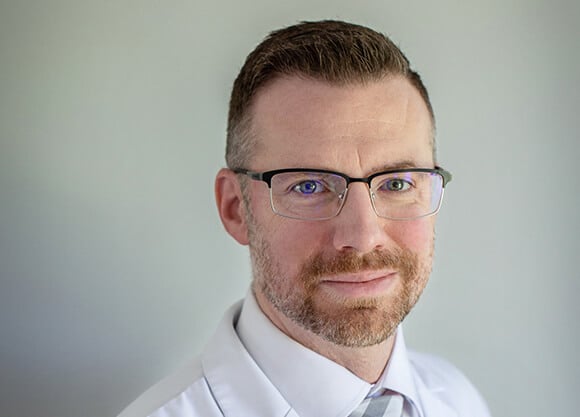
“When you see something click, and then students go through a treatment plan or they start becoming more autonomous, there's something special about passing on what you've learned to someone else,” Morgan said. “We’re an amalgamation of all the teachers we’ve had, so it’s nice to see that you’re a part of that alloy.”
It was no different when Morgan was a medical student at Netter. He learned from his professors. He learned from his preceptors. And, of course, he learned from his patients.
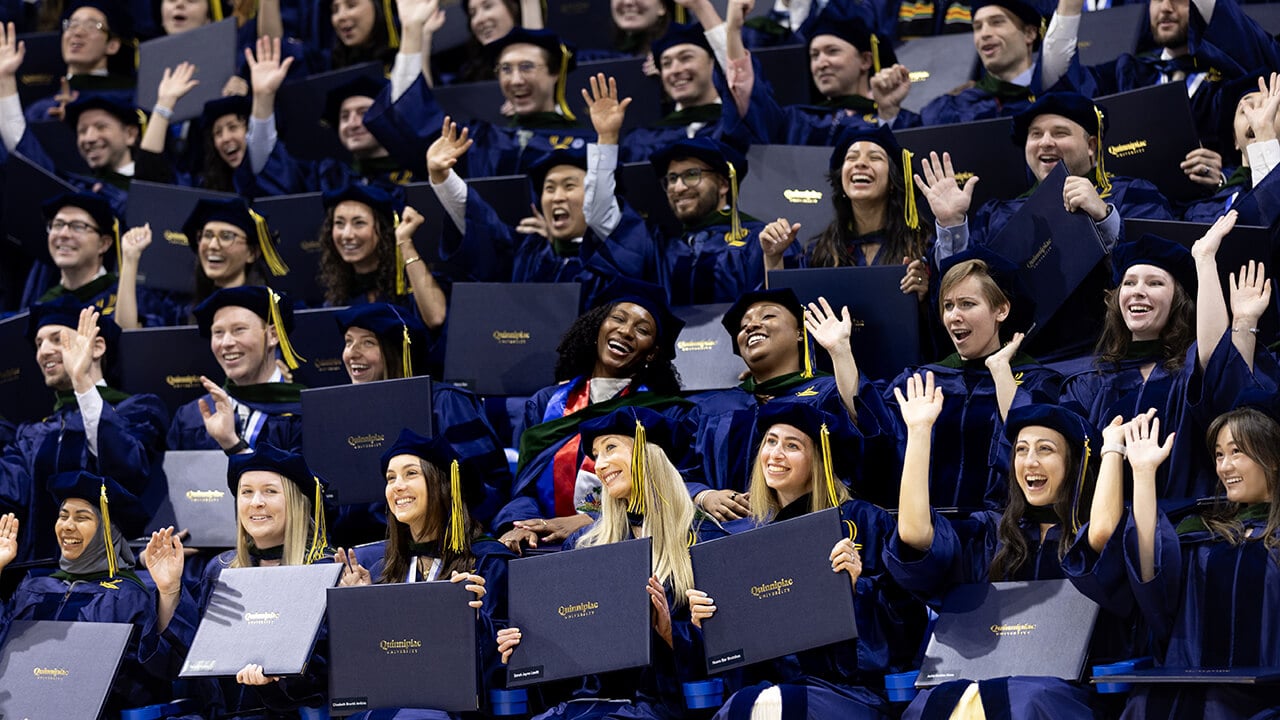
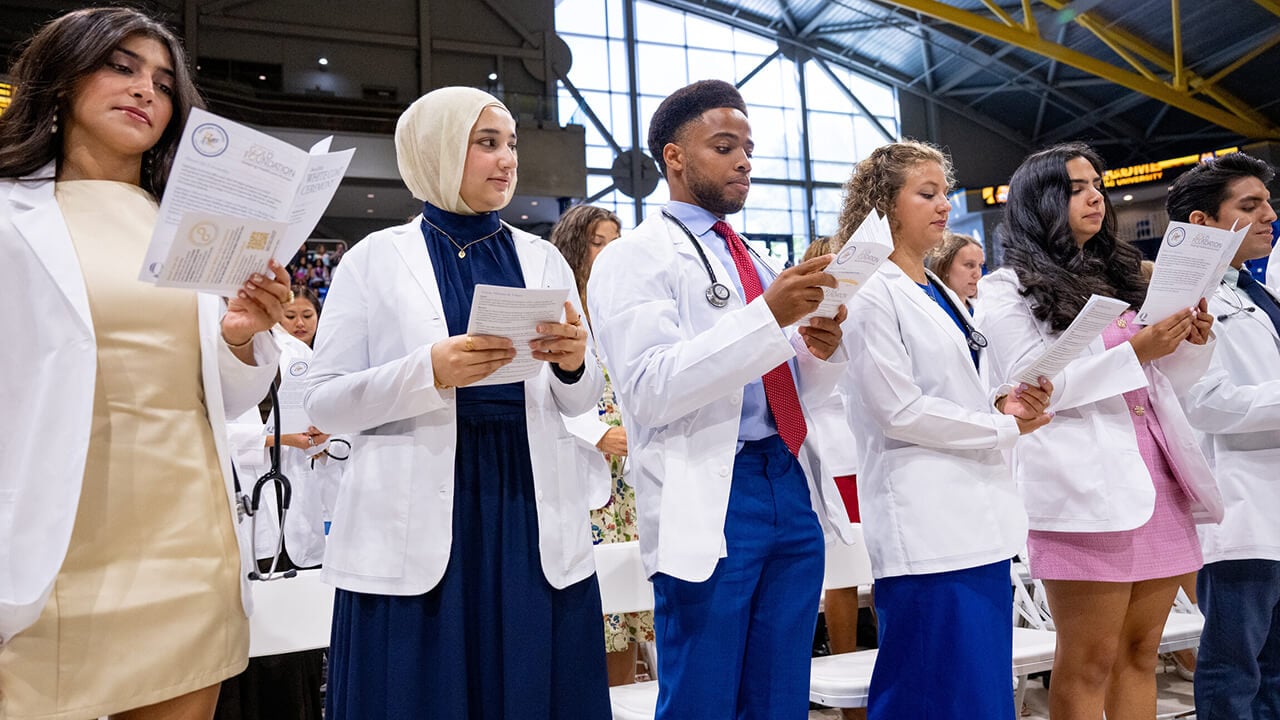
“I was applying to medical school at the same time the Netter School of Medicine was opening for its inaugural class. I’m from this area, so I knew I wanted to stay local,” Morgan said. “I had a very good experience at Netter. The curriculum was extremely well curated.”
For the faculty and staff at Quinnipiac Netter, that first year — that first impression — built the scaffolding for excellence.
“I don't know if anyone else noticed, but they knew our names before we even met them. I imagine they must have memorized our faces,” he said. “It was clear they took a great deal of time to make sure that even though it was a new program, it didn't feel like one. They did an extraordinary job with the facilities, the schedule, the lectures, all of it.”
Initially, Morgan thought primary care — a cornerstone of Quinnipiac Netter’s mission — would be the focus of his residency. But he discovered that acute care, with its variety of cases and the unpredictable pace of a hospital, was more to his liking.
“I just found that I liked working in the hospital settings more,” he said. “I liked the cases you had to think through, the plans you had to enact and the coordination of care.”
And yet, the one constant — without fail — was treating each patient like the most important person in the room.
“One of the things I teach medical students and residents is to make sure you're giving patients the presence of your time because that’s really important,” Morgan said. “Sometimes, patients will share things with you they wouldn’t have shared if they didn’t think you were giving them your time."
A patient may only see a doctor briefly, but that doesn’t mean the diagnosis and the relationship end there.
“It might take 10, 15 hours or more to interpret everything after connecting with all the providers — the residents, the subspecialists, getting records, doing all the lab work and imaging and finally interpreting everything,” Morgan explained.
Ultimately, the doctor-patient relationship is built on trust and pulling up a chair.
“I always make sure to sit with my patients. I get down to their level and listen to what they’re saying,” Morgan said. “I want them to know I’m present for them.”














Quinnipiac Today is your source for what's happening throughout #BobcatNation. Sign up for our weekly email newsletter to be among the first to know about news, events and members of our Bobcat family who are making a positive difference in our world.
Sign Up Now