



‘Who Are You?’ podcast with guest Dean Trent Honda
The difference of Quinnipiac University's School of Health Sciences

The difference of Quinnipiac University's School of Health Sciences
Joel Vanner: Hello, and welcome to ”Who Are You?,” the Bobcats you know, the stories you don't. I'm your host, Joel Vanner, inside the podcast studio, at Quinnipiac University's School of Communications, and I'm joined today by my guest Trent Honda. Trent, welcome to the show.
Trent Honda: Very excited to be here.
Joel Vanner: So, Trent, as I open every show, I want to ask you my first question, and that is, who are you?
Trent Honda: I am the Dean of the School of Health Sciences here at Quinnipiac University, and I am also an environmental epidemiologist by training as well as a physician assistant.
Joel Vanner: So, Dean of our School of Health Sciences-
Trent Honda: Indeed.
Joel Vanner: Let's get into your story and journey here to Quinnipiac. Growing up, did you say, My dream job is to be the Dean of the School of Health Sciences, or what were your passions growing up?
Trent Honda: Well, I was always very much into science and was interested first in geology and the kind of natural life sciences. And then as I progressed through my education and ended up in high school, I discovered that I had this love of art. And so I had this, like, 180 degree turn from what I was studying and what I was passionate about. Moving from biology to art history halfway through my high school career.
Joel Vanner: Were you artistic yourself?
Trent Honda: Well, I ended up in a art high school.
Joel Vanner: Okay.
Trent Honda: Because I was trying to get done with my art class so that I could take more biology classes. So I took a summer school class, and the Summer School class happened to be taught by the director of this art high school. And my very first thing that I did, she invited me into the school. And so that was kind of the beginning of my diversion from science into art and the humanities.
Joel Vanner: So what came after that? So interest in art history, was it something that you were going to pursue in college? What was the next step for you?
Trent Honda: Yeah, my original goal was after going through high school, and was to go study art history and, you know, particularly some areas of Southeast Asian art history that I thought was, you know, really interesting, given the, you know, background that I had in it. But I ended up not studying that. So I graduated high school right at the time that 9/11 occurred, and my original college plans were actually to come to New York. Um, and that seemed like a bad idea at the time, just because there was so much uncertainty.
Joel Vanner: So, being from California, 9/11 happened, and you have to pivot and change your original college plans, what did you pivot to and where did you go?
Trent Honda: I ended up going and knocking on the door at my local state university and talked with them about my interests, and they said that you'd be a great fit for the History department.
Joel Vanner: One of the common themes that we explore on the show is how paths are not linear. They're often non linear, doors open, opportunities arise, take them and see where they bring you. After history, you pursued religious studies, too. What was that pivot like for you having already changed once?
Trent Honda: Sure, so I spent one semester in the history department, and it turned out that the history department that I was in was very geared towards educating teachers. And I found out that all of the classes that I wanted to take, I had already taken because everything else was prescribed for the, you know, teaching certification that you usually sit for at the end of that degree program. And so I was not excited about taking, you know, multiple years of classes and things that I didn't find intellectually stimulating at the time. So I went knocking on other department stores to see if there were other options for me that allowed me to concentrate on the things I was really interested in. And the religious studies department said, you know, we've got lots of flexibility, and we'd love to have you. So that's how I ended up as a religious studies major, where I was concentrating mainly on the history of early South and Southeast Asian Buddhism.
Joel Vanner: So, at what point in your journey does the medical field come into play?
Trent Honda: Sure. So while I was going to school, I was working nights in a medical center. And so I would usually clock in at, like, 6:00 at night, clock out at 6:00 in the morning and then arranged all my classes that they happened either early in the day or later in the afternoon so I could sleep in in between.
Trent Honda: And, you know, I was getting towards graduation and talking with my advisors, and, you know, the next step for me was going to be going to graduate school in some humanities. But at the same time, at night, I was talking with these medical providers that I was working with and thought that what they were doing was really fascinating. And so one of them said to me, you know, there's a PA program that I'm a, you know, adjunct professor at, and applications are open. You should maybe apply. And so I applied to one program and a few months later realized that I had gotten in.
Joel Vanner: Is that-that's not usually the story, is it?
Trent Honda: Well, today, it's not. Today, you usually have to apply to many different programs, and you probably have to spend less time thinking about history and religious studies and more time thinking about science. But at the time, it worked out for me.
Joel Vanner: So, you go to PA school, you get that experience and you graduate. Where was your first job out of PA school?
Trent Honda: It was back at the medical center that I was working at while I was in college.
Joel Vanner: What was that, like, full circle moment there?
Trent Honda: It was really great.
Trent Honda: You know, one of the things that's difficult when you're working in medicine is there's a different culture. There's a different process at every place, and I didn't have to re-learn that because I was already so brand new in my field of practice, I got to just concentrate on good medicine.
Joel Vanner: And part of that journey is you're learning something new every day, having new experiences. You had quite an experience on your first day there. Tell us about that experience.
Trent Honda: Yeah, I showed up and was expecting to have my first day as a new provider. And what I discovered was that I was also going to be somebody's teacher because the person that I was replacing was an instructor at a local nurse practitioner program, and their student that they were going to be precepting that day showed up, and they became my student.
Joel Vanner: How did you balance that newness to you, but also the responsibility for teaching somebody else? Did you like it? Was it-What was that like?
Trent Honda: Well, I'll say the first day was a little terrifying because I had so much to learn, and I was also teaching somebody, but it very quickly became probably the favorite part of my job was being able to really help somebody that was earlier in their learning process understand the medicine and the physiology and pathophysiology behind all of the decisions that we made. And so that first day became many years of me teaching nurse practitioner students.
Joel Vanner: Did you ever imagine yourself as a teacher?
Trent Honda: Not really. It was something that I was really excited to experience early in my career as a clinician. And as I kind of matured in my you know, particular fields that I worked in, I became more and more interested in spending more time doing it. And so I moved from being a clinical instructor to instructing in the classroom. And then ultimately decided that maybe moving into full time education was right for me.
Joel Vanner: And you've had a couple stops along the way at prestigious institutions, landing here at Quinnipiac as the dean of our School of Health Sciences. What sets Quinnipiac apart from other schools of health sciences that are out there for students to consider?
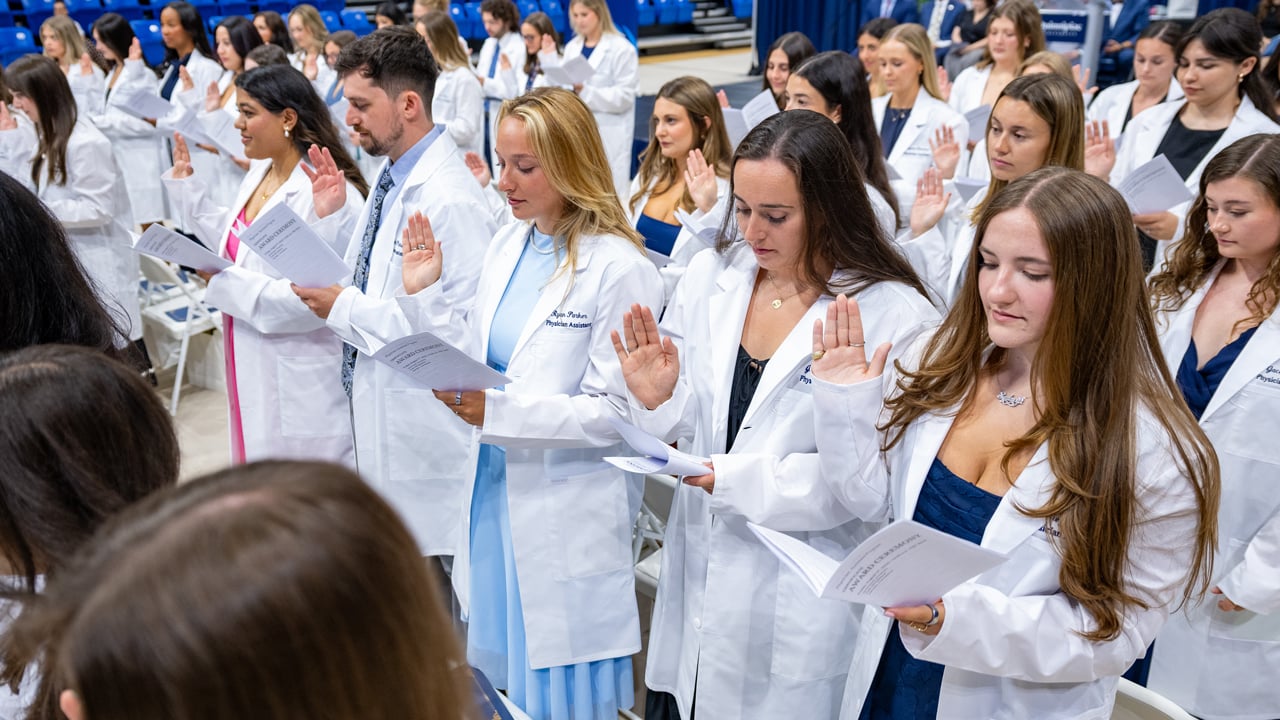
Trent Honda: Well, I'll tell you, I'm passionate about health sciences because I've seen firsthand in the clinic, the way that all of the professions that we educate here, Quinnipiac changed lives. And I have never seen an institution that's more passionate about the student experience and about educating quality providers across all of the health professions.
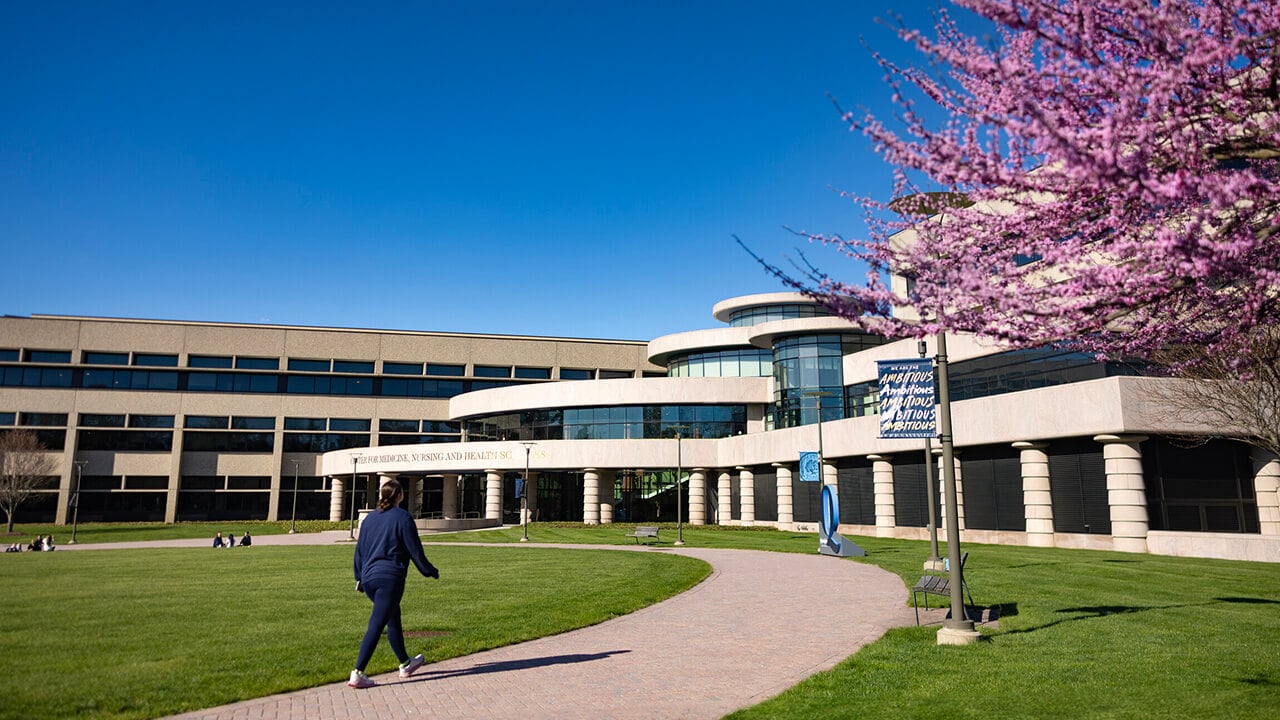
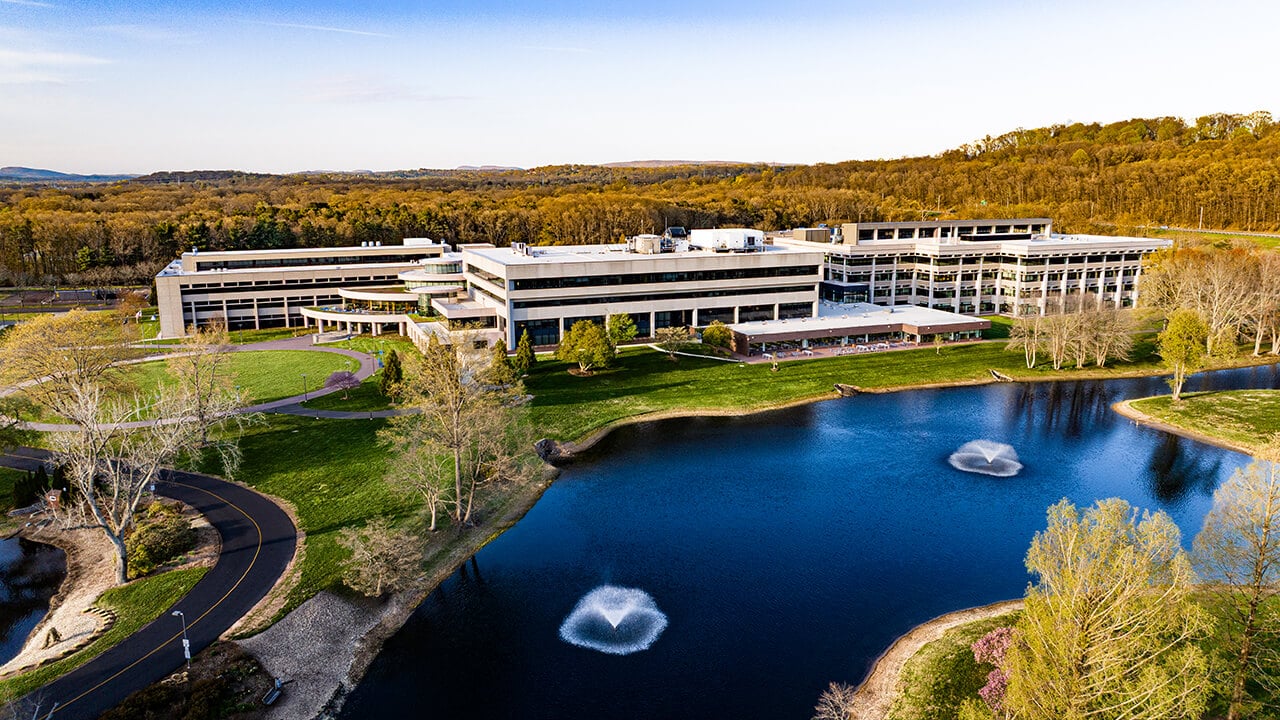
Joel Vanner: There are a number of programs in our School of Health Sciences, which you can see on the Quinnipiac website, QU.edu The school is located on our North Haven campus, which is where our School of Law and Education is, as well as our schools of Nursing and Medicine. What does it mean to be co-located with those schools over on the North Haven campus? How does that contribute to the experience that students have?
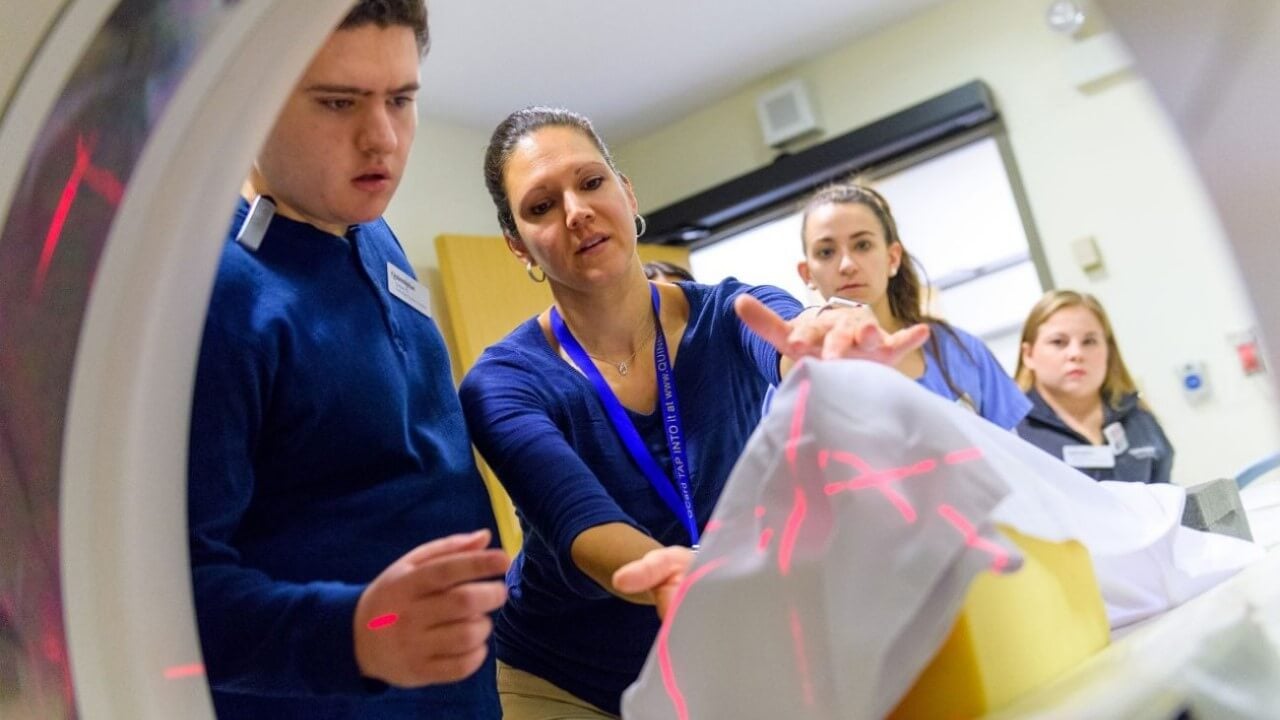
Trent Honda: Well, I think it's a really remarkable opportunity for Quinnipiac to lead in the field of interprofessional healthcare education. Interprofessional healthcare education is a key component to ensuring quality patient care that occurs in our students' clinicals, as well as after they graduate and ensuring patient safety and minimizing the risk of medical errors, which unfortunately continues to be a significant issue in the healthcare environment. And so because we have not only all of these health professions that we're able to tap into for these interprofessional experiences, but that they're co-located means that we're ideally situated to be a leader in that particular area.
Joel Vanner: I would encourage anyone to take a tour, contact the Office of Admissions. The best way to experience it is to experience it. On that idea, what type of students do you think excel in health science related professions? If somebody was looking to apply to our School of Health Sciences, what kind of characteristics do you think they should have?
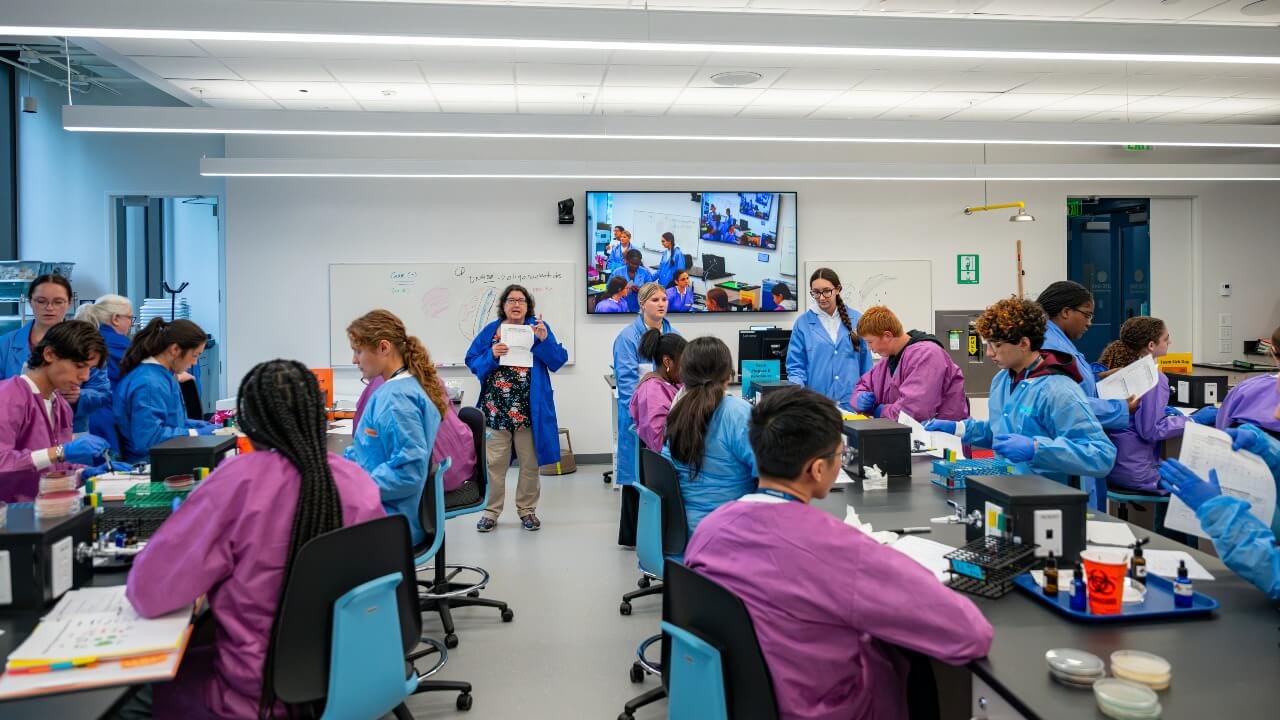
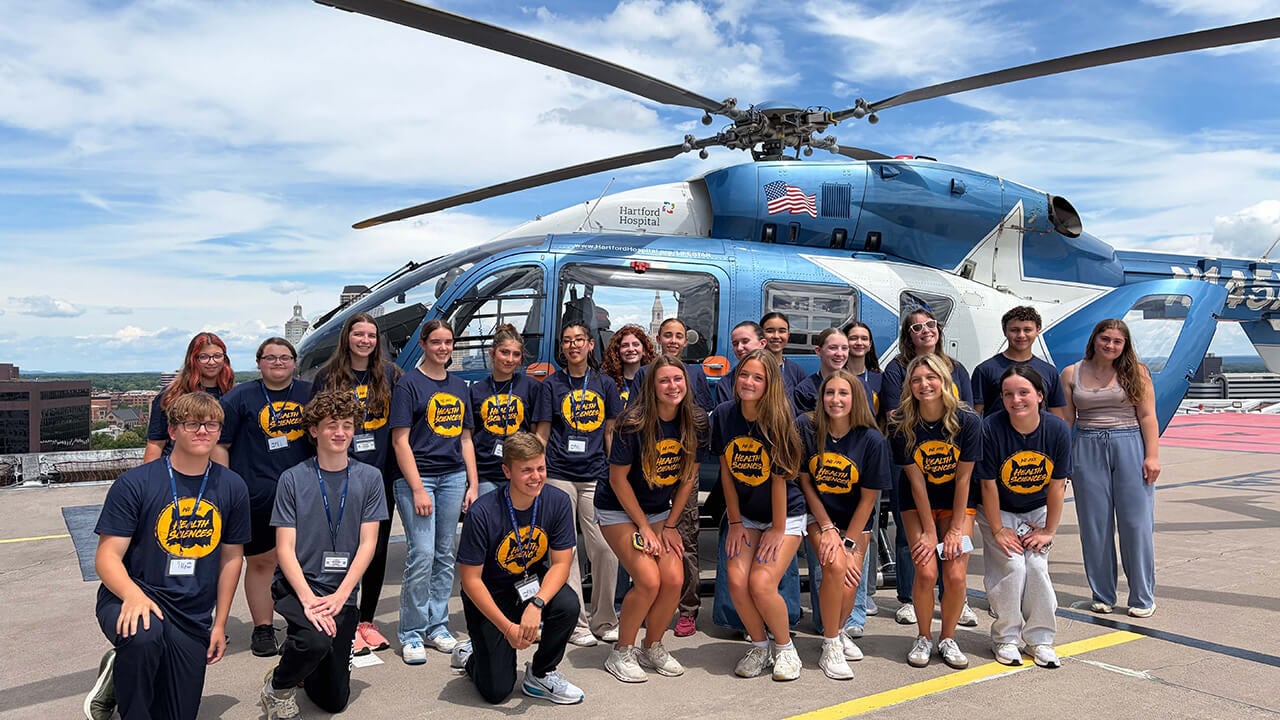
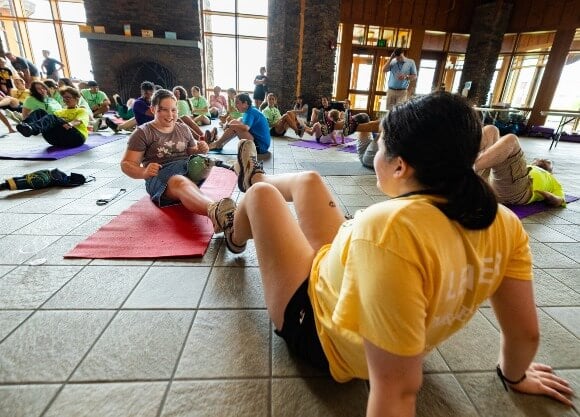
Trent Honda: I think the most important thing is curiosity, passion, pretty much everything else we can teach you. The great thing about the School of Health Sciences is that we have a tremendously heterogeneous group of programs that individuals that are interested in a particular area of health sciences can go and study in that particular area. But I think that we also have majors that many people that know they're interested in health sciences, but don't necessarily know what particular area they want to work in after graduation. Can go and learn more about the different health professions. And then we also have some great summer programs for people in high school that are interested in learning about the various health professions that we offer, and you can come and you can learn on campus directly from professors in these various fields and get a sense of what might be the right fit for you. And then, you know, not everybody stays on a linear path, as as you suggested. So there's always opportunity for an individual who starts off as a, you know, health sciences major to move into another program that they think, you know, is more consistent with what their future is holding for them.
Joel Vanner: So if you know the area you're interested in, there's a place for you here and resources, but if you're just exploring and you're not quite sure yet, there's a place for you here and resources to help you explore those fields to find what you're interested in.
Trent Honda: Yeah, I think about 20-30% of students that come in know that they're interested in health sciences, but don't know exactly what the field is, and that's okay, right? I started off as a history major. For one semester and then moved into religious studies and then found my whole passion in health sciences. And so the opportunity to do the same thing is here at Quinnipiac. And I really think that, you know, non-linear paths provide rich experiences from which people are able to, um, um, learn from and have inform their future careers. So there's nothing but good things that come from non-linear paths.
Joel Vanner: And they may uncover something about themselves that they didn't know before they started having passion and curiosity, what advice would you give to someone who's actively applying to schools of health sciences right now? What would you say to them?
Trent Honda: I would say that Quinnipiac is the best place in the world to come study health sciences, so we really hope to see your application. But also that we have a dedicated group of individuals that are more than happy to answer your questions. I get emails every day from individuals that are interested in health sciences, and those individuals get responses directly back from me.
Joel Vanner: Wow.
Trent Honda: And so I'm, you know, really excited about the amount of interest that we have in the school and also want to make sure that everyone knows that I'm available to help them along their journey.
Joel Vanner: Dare I say, email Trent. Apologize for your inbox after the podcast.
Trent Honda: Well, I'll tell you, the inbox before the podcast isn't great, either, so it's fine.
Joel Vanner: Yeah.
Trent Honda: And that's how it is.
Joel Vanner: Trent, thank you so much for joining me on the show, sharing your story and your journey here to Quinnipiac.
Trent Honda: Thank you. It's been a pleasure.
Joel Vanner: If you enjoyed today's episode, be sure to subscribe and share, and find other episodes on Apple, Spotify, and YouTube Podcasts. Until next time, when I ask my next guest, who are you? I'm Joel Vanner. Bye for now.
















Quinnipiac Today is your source for what's happening throughout #BobcatNation. Sign up for our weekly email newsletter to be among the first to know about news, events and members of our Bobcat family who are making a positive difference in our world.
Sign Up Now