


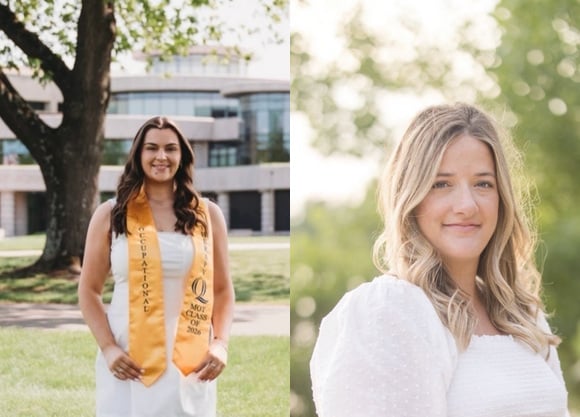
‘Who Are You?’ podcast with guest Beca Findley OTD ’25
The benefits and experience of a doctorate degree in occupational therapy
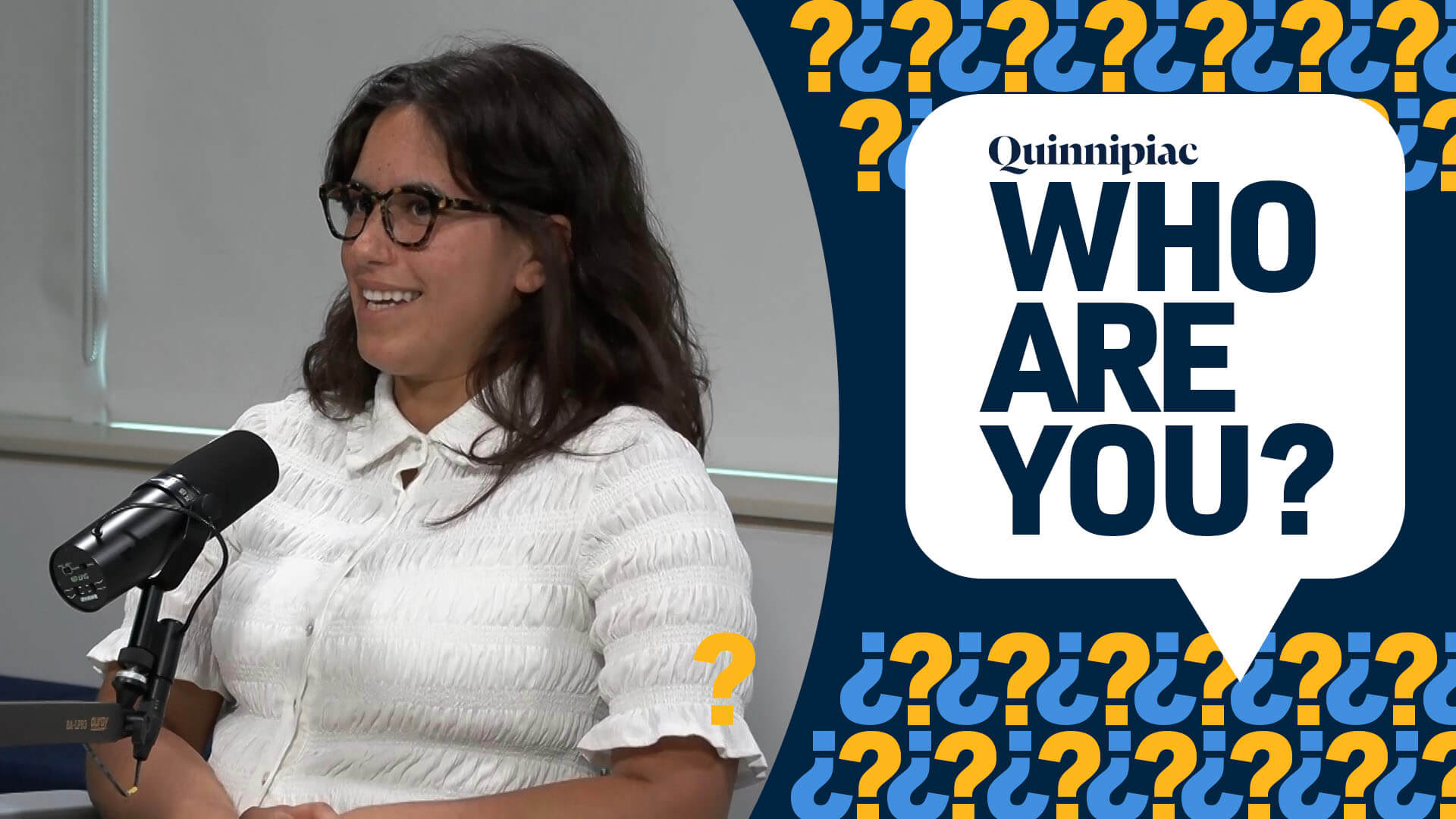
The benefits and experience of a doctorate degree in occupational therapy
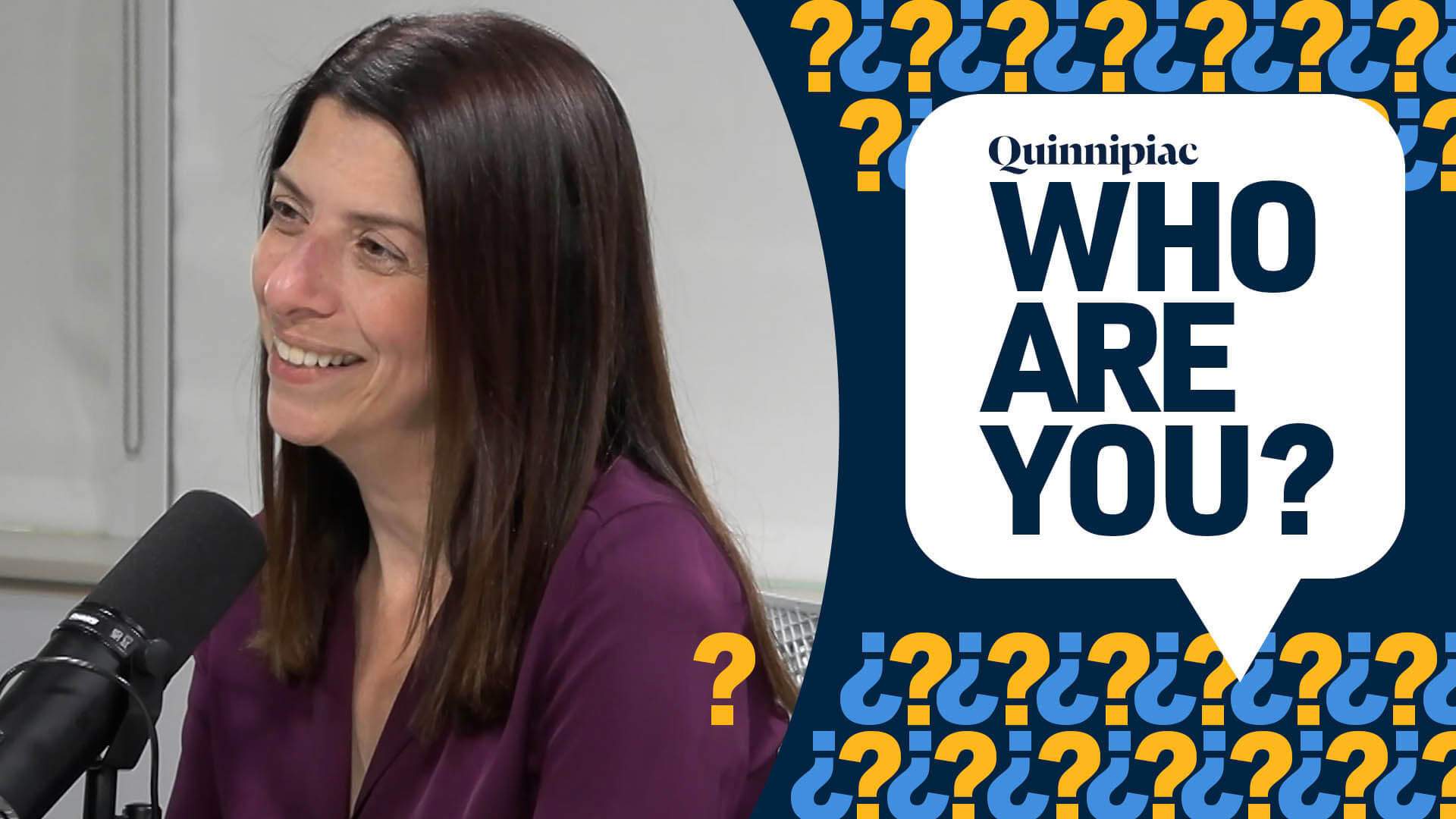
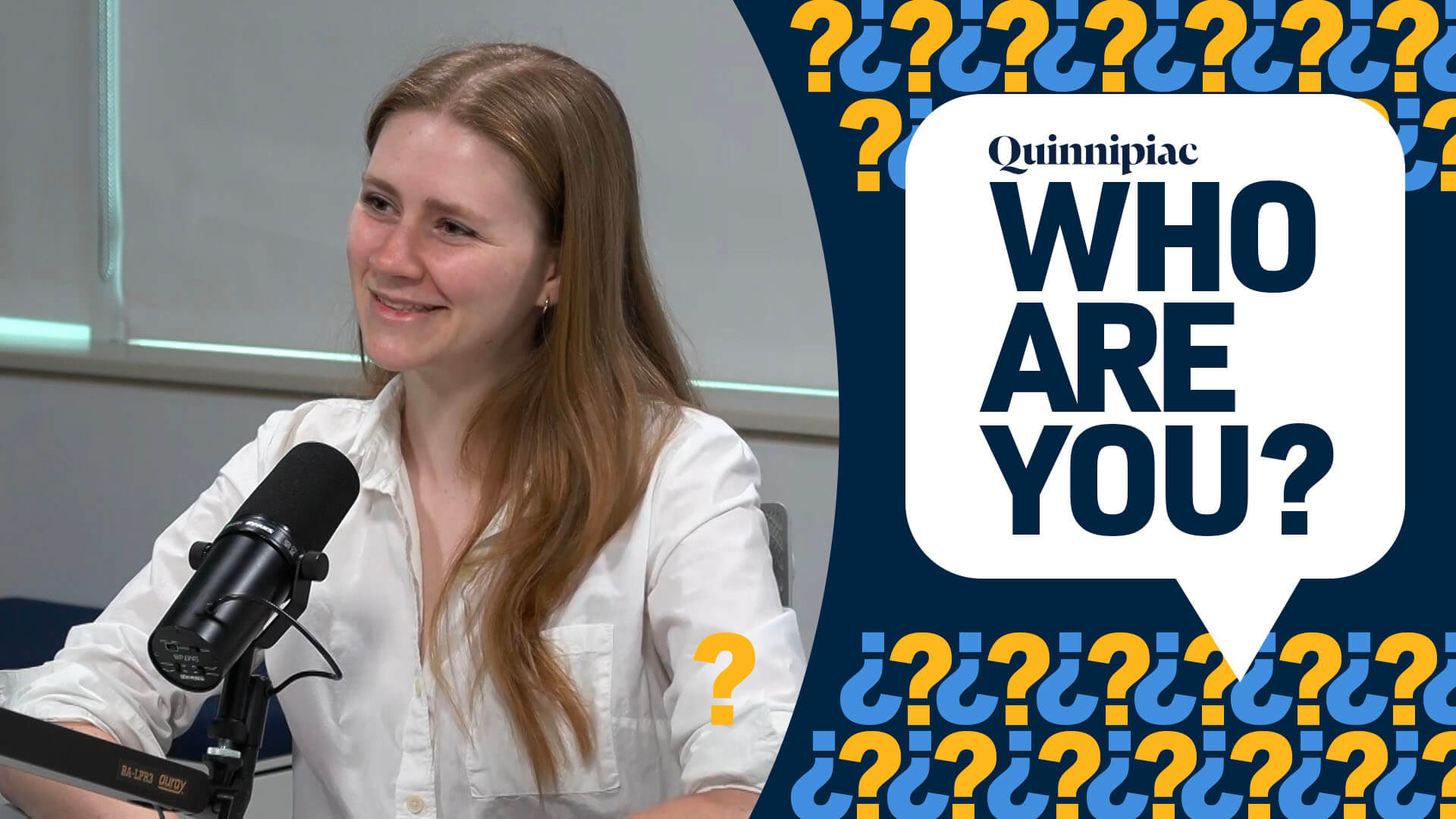
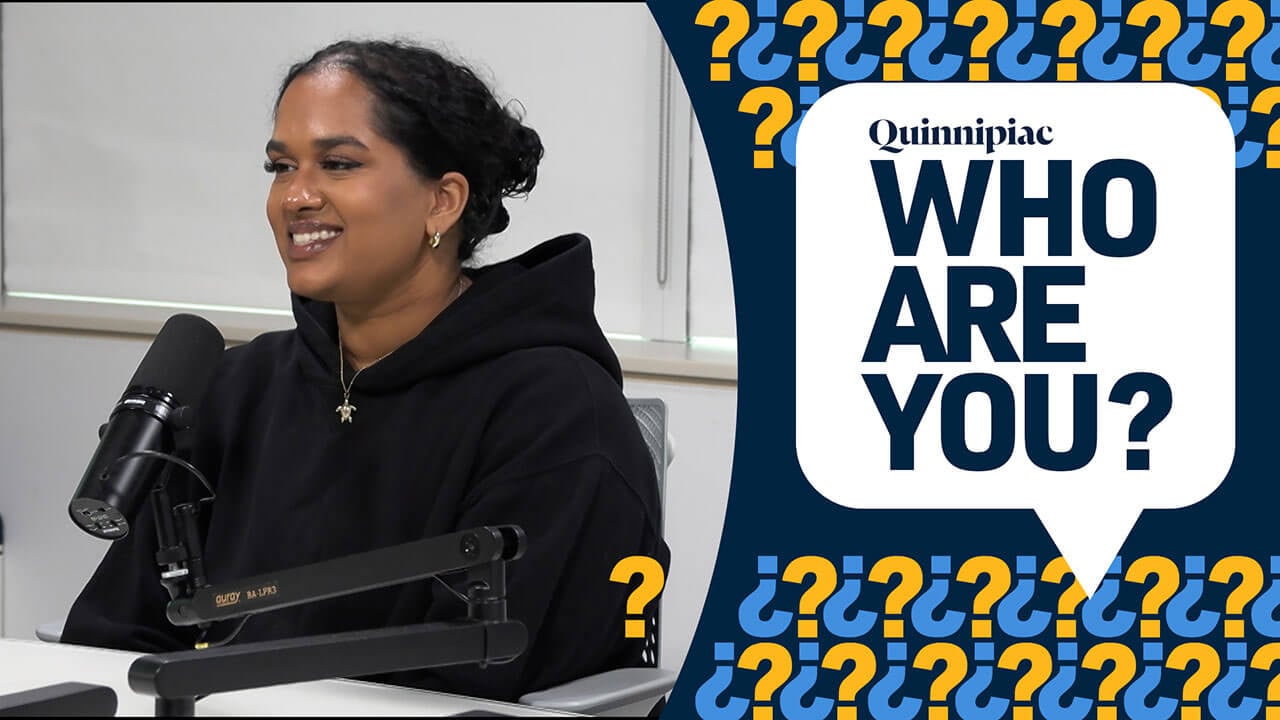
Joel Vanner: Welcome to ”Who Are You?,” the Bobcats, you know, the stories you don't. I'm your host, Joel Vanner, inside the podcast studio at Quinnipiac University's School of Communications, and I am joined for today's episode by Beca Findley. Beca, welcome to the show.
Beca Findley: Thank you. Thank you for having me.
Joel Vanner: Have you seen an episode of our podcast before?
Beca Findley: Yes, yes, I have. One of my classmates was on this.
Joel Vanner: So the cat's out of the bag, then. You know what my first question to you is going to be? We know your name, but tell me. Who are you?
Beca Findley: So I am technically a fourth-year occupational therapy doctorate student. I just recently graduated, but I'm finishing up.
Joel Vanner: Congratulations.
Beca Findley: Thank you. I'm finishing up my capstone.
Joel Vanner: So we've had a couple of health field-related students on this program already, and something in common is that there's always an event in their life that sparks their interest to go into whatever field. In your case, it's OT. How did you get interested in studying OT and practicing in that field?
Beca Findley: I feel like there was a lot of different events that kind of led me to OT. I wasn't very aware of it until my undergrad. I started off in biology for undergrad because I knew I wanted to be in a field related to healthcare. I played softball growing up, so I was really into, like, the movement of body parts and stuff. So I transferred into kinesiology. And when I was in kinesiology, I met a few of my classmates there, and they were in occupational therapy. So once I found out about occupational therapy, I knew it was the exact profession for me. It was everything that I wanted to do. Um, I had done the Special Olympics growing up, and so I knew I wanted to work with individuals with disabilities. I love doing the Special Olympics. I still do it.
Joel Vanner: What do you do with the Special Olympics?
Beca Findley: I do every sport that they offer. So they actually just this past weekend had their track competition, and I wasn't able to go. One of my classmates got married, which was amazing.
Joel Vanner: Congrats to them, but sad for you.
Beca Findley: I know. Yes. I had a wedding last year during track competition, too. And I'll have one next year, so lots of weddings, but it's really happy. Um, but they had track competition last weekend, and I'm a personal care assistant for one of the athletes. I've been a personal care assistant for the past three years, I think, for him, and he was sending me pictures because my mom is really close to him now. And so she went with him, and he won silver and bronze in his event. That's awesome running and jumping and throwing. So it was great. But I do track, I do bowling. I do croquet, which I've never done before. So it's been interesting to learn all these different sports. But yeah.
Joel Vanner: And as a personal care assistant, what do you do with these athletes?
Beca Findley: So, I do. It's only one athlete that I work with, but we do a lot of independent living skills. So we'll go to the grocery store and work on executive functioning skills. We work a lot on independence with him. He's 30-years-old, but he's just a joy to be around. So sometimes we'll go to, like, the movies if he wants to go. Like, we'll do a lot of different fun things just to get him out of the house. But, yeah, that's been so rewarding and great.
Joel Vanner: That sounds awesome. And I can tell you really enjoy your work you do with special Olympics there, just by the way you talk about it.
Beca Findley: Yes, yeah.
Joel Vanner: Um, so fast forward to occupational therapy, you found an interest in it. You found a love in it, and you wanted to pursue it. There are a variety of masters in OT programs, doctor in OT programs. What drew you to apply to Quinnipiac specifically?
Beca Findley: So my undergrad did not offer occupational therapy, so I ended up going to my undergrad for kinesiology, and I knew that I wanted to apply for postgrad to an occupational therapy school. I'm from Connecticut. I'm from Seymour, so I kind of wanted to come closer to back home, um, and I knew a lot of people that had gone to Quinnipiac, and they were so successful. A few of my friends siblings and a few of my friends from high school had gone to Quinnipiac somewhat for physical therapy, and I knew they had very successful job. So after hearing that and doing my interview and talking to a lot of people at Quinnipiac, I knew that was exactly where I wanted to go.
Joel Vanner: Now that you're here and you've graduated, congrats. Looking back on your time, how have you been able to find your community now that you're here through different activities on campus?
Beca Findley: So I feel like throughout my life, I wasn't really someone who got involved in a lot. I was kind of more of an introvert. And when I came to Quinnipiac, I kind of decided that I wanted to get involved in everything possible, which I'm so thankful that I started to do because I feel like I got so much more confidence and so much more sure of myself. And I also made a lot of friends through the process.
Joel Vanner: It's a great place to do that.
Beca Findley: Yeah.
Joel Vanner: When you're new. Everybody's so open and accepting to new people joining their organization.
Beca Findley: Yeah, so I feel like I've joined a lot of organizations here, which has been great. I am in the Student Advisory Board for Occupational Therapy. I was also on the board for the student-led conference last year. They didn't end up having it this year, but I was logistics last year, so I was the one who got kind of all the speakers to come.
Joel Vanner: An OT conference?
Beca Findley: Yes, it's the occupational therapy student-led conference. And last year it was actually on technology, which is very interesting. But yeah, it was great, and I hope they end up having it in the future, again. But I did that last year. This year, I did one of the interprofessional events that Quinnipiac has to offer. They're on the North Haven campus, and I just recently got my interprofessional micro-credential, which has been awesome to be a part I feel like I've met so many new people through that kind of in different professions and healthcare and learned so much.
Joel Vanner: What other professions are in that organization?
Beca Findley: Yeah, so it's all healthcare professions. So physical therapy, athletic training. I met a radiology student in speech pathology and special education. So there's a lot of different professions, and some of them are through other schools are invited, so it's been great being a part of that.
Joel Vanner: As part of your OT studies, fieldwork is a part of that in your education here at Quinnipiac. What fieldwork experiences have you had so far, and what have you taken away from them?
Beca Findley: So we start out with our Level one fieldwork. So those are kind of like three-day to one-day field work like very short stints, and we'll go to a bunch of different places. So we've been to outpatient clinics. We've been to inpatient. We've been to skilled nursing facilities, schools, as many different places as you can think of. So I feel like I've learned a lot about all of the different settings.
Joel Vanner: Go with a faculty from Quinnipiac to those?
Beca Findley: For the love of 1. No. We are with NOT on site, so faculty does not attend those. So that was great because occupational therapy can do so many different things and work in so many different fields. So it's great to see kind of all the different processes that they go through, and you kind of get to find, your niche, too, and what you like through that. Um, and then our last year and a half, we're on our level two fieldworks. So we have two level two fieldwork placements, which are 12 week placements, and then we have a 14 week capstone. So now I'm in my 14 week capstone. But my level two fieldworks were I was at a K-12 special education school in New York City. Then I was at St. Vincent de Paul, which is a source kitchen in Middletown. And that was with faculty from Quinnipiac because it was more of a non-traditional setting because they don't have an occupational therapist there, which is very interesting because it's kind of different from the other settings that we've been a part of. So I feel like I learned a lot about OT's role in all of these different settings and how we can really have a role in any setting, which has been really cool.
Joel Vanner: And you mentioned your capstone, which is something you're in right now. Tell me more about the capstone and how that kind of progresses during your studies in your program.
Beca Findley: Yeah, so we kind of shape our capstone throughout our whole experience at Quinnipiac. The doctorate program is technically 3.5 years. And so we'll take classes, we'll take research class and different capstone class to kind of research what we want to do for our capstone kind of based on what the needs are for the population that we want to serve. And then through that, we'll kind of develop a project that will fit the gap in what is with occupational therapy and what they need.
Joel Vanner: Do you have, like, an advisor that you work with?
Beca Findley: Yes. So my faculty advisor is Karen Majeski.
Joel Vanner: Big fan of Karen.
Beca Findley: Yes, I've heard. You'll have to bring her on the podcast.
Joel Vanner: Yes. Karen, if you're listening. You'll have to come, but she is so great. She has so many different experiences, and she's a part of so much, so I feel so lucky that she was my faculty mentor. She is like the OT for post-secondary transition. So I feel so lucky because that's what I'm doing my capstone on. And so tell me more about your capstone. What specifically have you been working on?
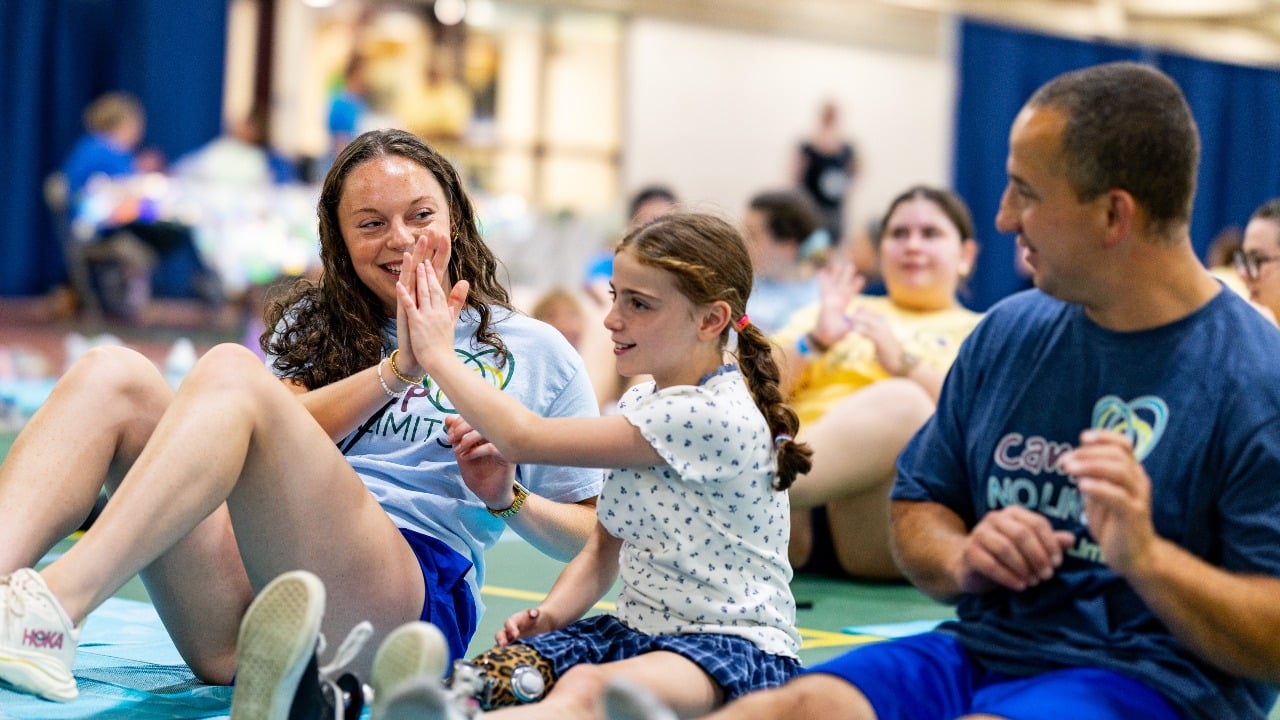
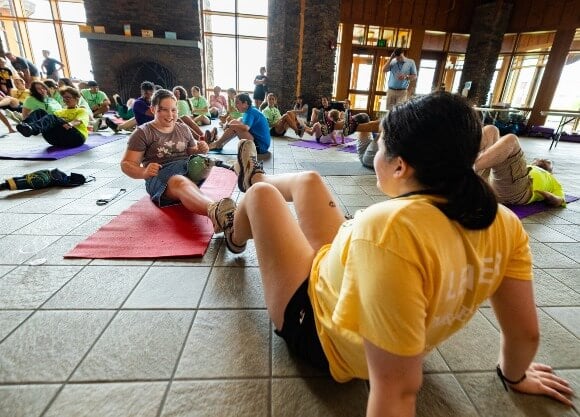
Beca Findley: Yes, so I work with the Cheshire Quinnipiac Transition Collaborative. So it's students 18 through 22 on the North Haven campus that are attending Cheshire High School. They're special education students, but they are housed at Quinnipiac on the North Haven campus, and they have two teachers and two paraprofessionals there, and they work a lot. Their IPs are based off employment skills, independent living skills, and post-secondary education. And it's really nice because they work a lot with the Quinnipiac students. They'll have classes that the occupational therapy and physical therapy students will run, as well as special education. And they have inclusive fitness, so they'll run the classes and go with them and do different fitness. They have movement squad, where they'll go and they do like dances and different fun things. They have a wellness class with the medical students. So it's called Cheshire Wellness. So they'll go they're each matched up with the student and they'll talk about different wellness techniques. So it's really honestly, I feel the Quinnipiac students learn so much from the Cheshire students.
Joel Vanner: Sounds very connected to all the different health professions over there on the North Haven campus.
Beca Findley: Yeah, it's so great, and it's been so great to be a part of and see that because I feel like not a lot of colleges have programs like this, so I feel so lucky to see Quinnipiac’s involvement with Cheshire High School. It's been great. But I work with them. We do a lot of kind of executive functioning groups and health management groups. And through that, I'm developing a manual for occupational therapists in post-secondary transition, working with the American Occupational Therapy Association, Community of Practice for post-secondary transition, which Karen is very involved in.
Joel Vanner: Which has an abbreviation, too?
Beca Findley: Yes, AOTACOP. Yes, very complex. Karen is a huge part of that. So I'm so lucky to have been involved in that. We had a workgroup that developed the manual, and it's going to be housed on the developmental disabilities specialty Intersection microsite after it's finished, which is so great.
Joel Vanner: Yeah. That's incredible.
Beca Findley: So we also have an article in Pros right now, Karen and I with another member of the COP on assessments used for post-secondary transition, which is great.
Joel Vanner: So you mentioned your fieldwork. You got to explore the different areas that OT could practice in, and your capstone worth the Quinnipiac Cheshire transition collaborative. How have those experiences helped you narrow in on the place in OT that you want to practice in, and have you discovered that yet?
Beca Findley: Yeah, I feel like I have learned so much from being in these placements. I feel like I've really come out of my shell, kind of, and been more of a leader, and it's kind of made me realize that I would love to work in education at some point in academia and be a professor because I feel like so many people have helped me so much that I want to help other students, as well. I would love to be a fieldwork supervisor at my site, hopefully. One day, once I get a job. But I would love to work in post-secondary transition. I feel like all of the community practice members, and especially Karen, have helped me learn so much about this population and how much is kind of needed for OT's role and their advocacy efforts and being in post-secondary transition.
Joel Vanner: What advice would you give to students who are looking for an OT program for them? What are some things you looked out for when you were applying to different programs and looking back on your time at Quinnipiac? What did you come to value most about the program you chose?
Beca Findley: I feel like I love this program because it feels more like a family. There's only nine students in my cohort, and so we're all very close. We're very close to the professors. I feel like they're all very attentive with us and involve us in so many of their projects, which has been so helpful in, like, career development and experience.
Joel Vanner: And you can be so connected to them, too. It's just nine students, so you can really form a relationship with your professors.
Beca Findley: Yes, yes. I feel like we're like a family. Even my classmates are like family. And so, I feel like I would say try and get involved in as much as you can, try and find a place that offers a lot of programs. Like, I love all of the programs that Quinnipiac has to offer, and I feel like I'm so experienced leaving because of that. If not, I would not have been. So, yeah.
Joel Vanner: Well, awesome. Thank you, Beca, for joining me on the show. I appreciate you sharing your experience and all the things you've been able to do here at Quinnipiac.
Beca Findley: Thank you so much for having me. Thank you.
Joel Vanner: If you enjoyed today's episode, be sure to like and subscribe and find other episodes of ”Who Are You?,” on Apple, Spotify, and YouTube podcasts. Until next time, when I ask my next guest, who are you? I'm Joel Vanner. Bye for now.


Quinnipiac Today is your source for what's happening throughout #BobcatNation. Sign up for our weekly email newsletter to be among the first to know about news, events and members of our Bobcat family who are making a positive difference in our world.
Sign Up Now