



‘Who Are You?’ podcast with guest Aidan Hanley ’25, MS ’27
The essentials of Quinnipiac’s Entry Level Physician Assistant Program

The essentials of Quinnipiac’s Entry Level Physician Assistant Program
Joel Vanner: Hello, and welcome to ”Who Are You?,” the bobcats you know the stories you don't. I'm your host Joel Vanner inside the Podcast Studio, Quinnipiac University School of Communications, and I'm here today with my guest, Aiden Hanley. Aiden welcome to the show.
Aiden Hanley: Thank you for having me. It's great to be here.
Joel Vanner: I'm not sure if you've seen an episode of the show before, but I asked my guests all the same first question, and that is we know your name, but tell me, who are you?
Aiden Hanley: Yeah. My name is Aidan Hanley. I'm from Stone, Massachusetts. Last year, I recently graduated from the entry-level master's physician assistant program here at QU, and I'm currently in my third semester in the graduate portion of the physician assistant program here at Quinnipiac.
Joel Vanner: Entry level masters physician assistant program.
Aiden Hanley: Yea.
Joel Vanner: Also abbreviated ELMPA.
Aiden Hanley: ELMPA. Yup
Joel Vanner: As we'll say, throughout the show.
Aiden Hanley: Mm hmm.
Joel Vanner: So take me back, Aidan. Were you always interested in a career in healthcare? When did that start for you?
Aiden Hanley: Yeah. No, I think, growing up, I was always sports always came first for me. I was always an athlete.
Joel Vanner: What sport was your favorite?
Aiden Hanley: I was huge. Basketball was my primary.
Joel Vanner: You're kind of tall so that works out.
Aiden Hanley: Yeah, it made sense. So basketball was my first interest. I played soccer, baseball. I did all that, too. But it was, like, that was kind of always You know, I liked going to school. I liked learning, but it was really I was really going to school so I could go to practice after. So that was kind of my first love. And as I started to kind of get into high school, I kind of realized, Okay, maybe that NBA dreams not gonna happen. So that's kind of when I started to think about, you know, what other interests do I like that I can maybe pursue in college in a career after that? So I looked at, you know, I was looking around, looked at my dad's at business. I looked into business, and I like that, looked into, like, writing and stuff like that. But my sophomore year, actually, I actually had a pretty cool opportunity where I heard about this EMT program that was being offered at my high school. And I didn't know much about it, so I kind of did my research. And I found out that it was basically a program that allowed for students to become... To take an EMT class after school during their sophomore year of high school. And during the summer, once they turn 16, they're able to become they're able to take the exam and become nationally certified EMT basics. And from there, their junior and senior years of high school, from the hours, I think it was seven to four, we would carry pages around. We would serve as the primary emergency response for the town of Bolton. I went to Nashoba Regional High School.
Joel Vanner: So while you were in school.
Aiden Hanley: While I was in school, so you'd.
Joel Vanner: That sounds unique. That's not something I think a lot of people have the opportunity to take advantage of you're in high school.
Aiden Hanley: Exactly. Yeah, I think it was the only program like it in the state at the time. There's very few, I think, in the country as well. But it was really cool. So I got the opportunity to join that. I applied, got in, and immediately, once I started taking the medicine, the course, I was like, medicine. I never really learned in depth medicine before like. So that was just automatically really fascinating to me and really cool. And then it was really once I started interacting with patients, once I became certified, that it really clicked and I knew this is what I wanted to do.
Joel Vanner: So, in high school, have this opportunity to join the volunteer EMS squad.
Aiden Hanley: Hmm.
Joel Vanner: while you were in high school, getting that experience, that education. Turn around to now it's time to go off to college. What were you looking for in a college to study? Was it physician assistant? Was it something else? Where did you kind of land when you were first looking?
Aiden Hanley: Yeah, so I think I did what most students do when they want to go into health care. I think immediately, I said, Okay, pre med. That's what you do. That just made sense.
Joel Vanner: Start big aspirational.
Aiden Hanley: And then I just as I started to kind of look into it, it was COVID, so it's during the pandemic. So I didn't have many opportunities to shadow many professions. So I kind of just had to go off of my experiences in EMT and just doing research and whatnot. So I kind of began to look into nursing, physical therapy, other professions like that. And then I stumbled upon physician assistant. And that really spoke to me and really aligned with what I wanted out of a career in healthcare and just made the most sense for me. So early on, I identified that physician assistant was kind of the path. I like that you have lateral mobility across specialties. So unlike other professions, like a physician or nurse practitioner, as a PA, you're able to start working in one specialty and then transition to another specialty without any additional qualifications needed. So I like so many different facets of medicine that I thought it was a really cool opportunity to be able to start in one field and transition to another. So that was a big part for me and also just being able to be patient first, advocate for patients and work a lot with patients was also something that was really exciting to me.
Joel Vanner: And you were getting that experience riding in an ambulance, filling out reports, working with patients when you were in high school, on the EMS squad. What about Quinnipiac's ELMPA program attracted you to it and encouraged you to apply? Tell me about what drew you to it and then tell me about the program.
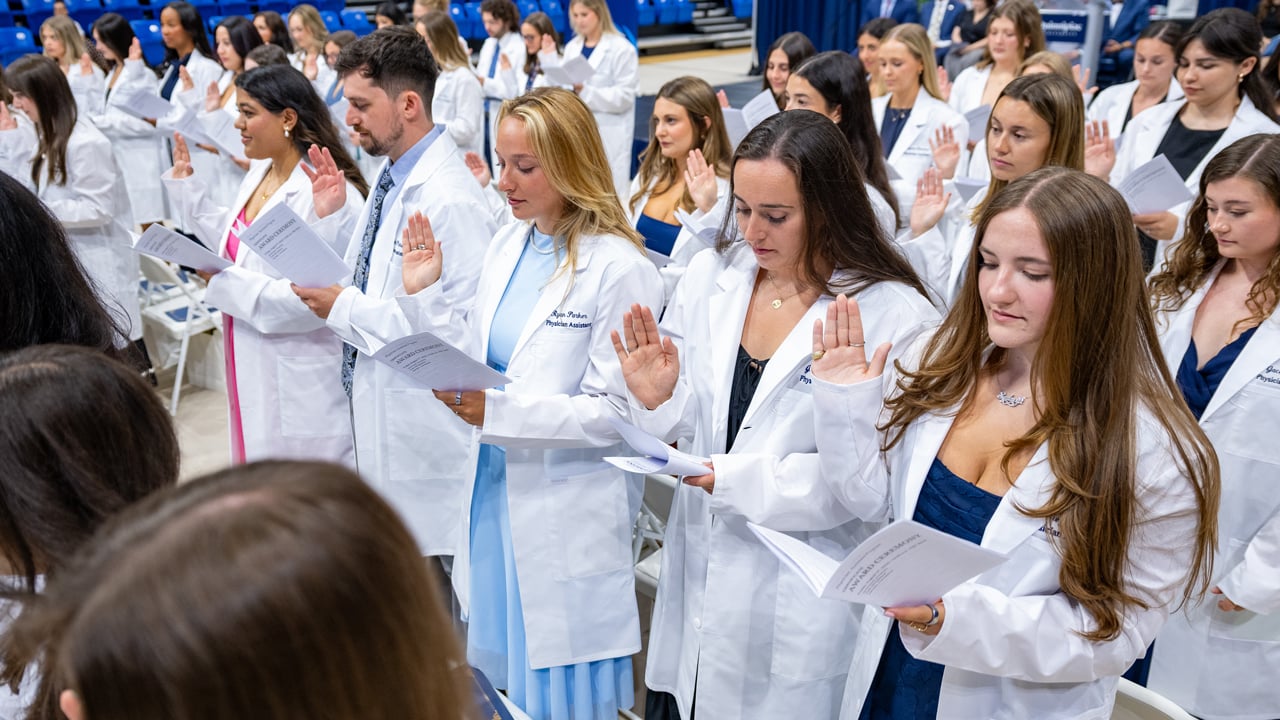
Aiden Hanley: Yeah, absolutely. So when I was applying, I applied to a couple of different entry level PA programs, which basically meant that, you know, there's a couple of programs out there where they'll guarantee admission to PA school immediately after you graduate undergrad. But some of them are a little different in their stipulations. So some of them you're guaranteed to interview. Some of them you're guaranteed to be considered, and some of them are like guarantee entry, guaranteed seats. So, Quinnipiac is one of the ones that was really nice because as long as you get that 3.2 GPA, you get 1,000 patient care hours. And you get a certain level of community service hours, you're guaranteed to matriculate into the graduate program.
Joel Vanner: So there's a seat saved for you exactly when you're an undergraduate in the graduate program.
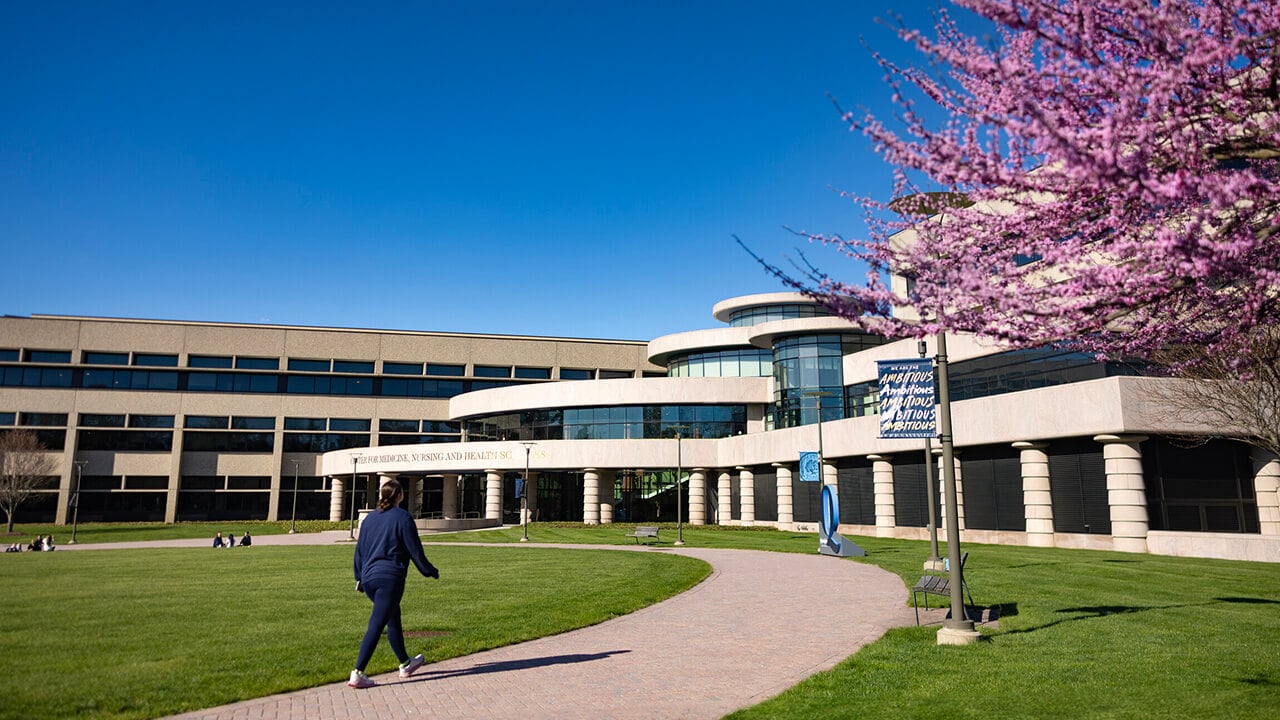
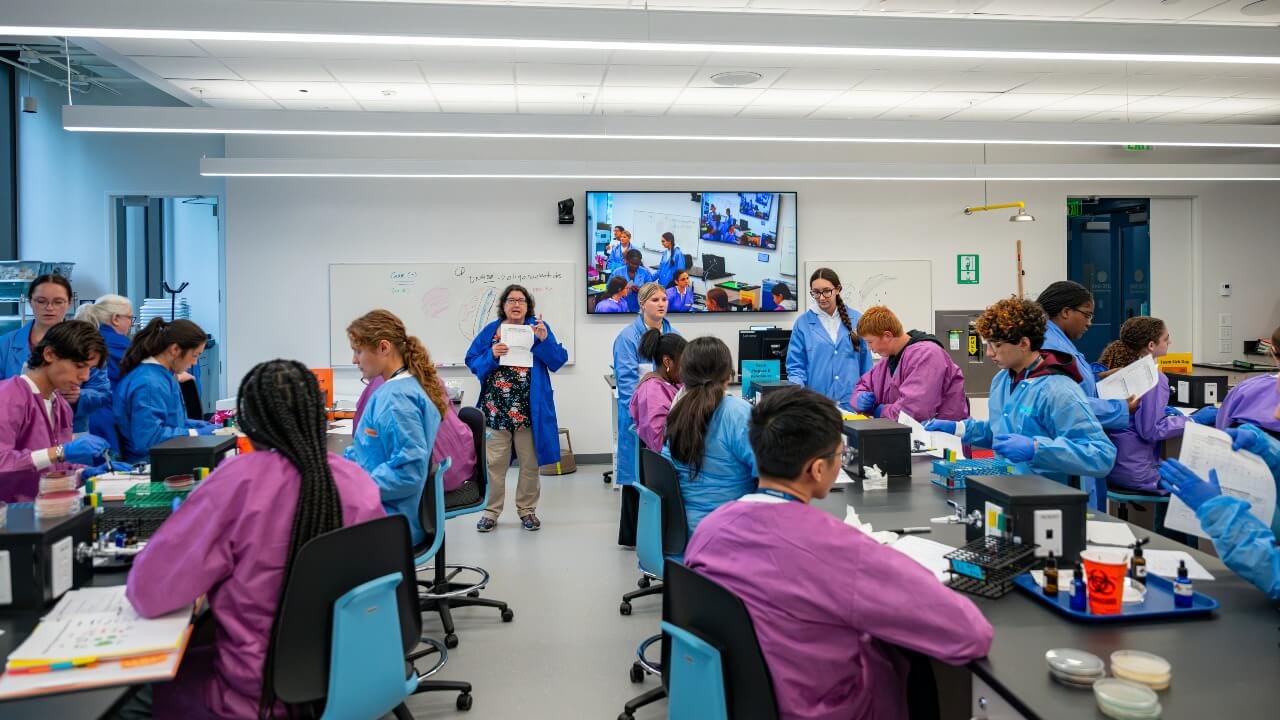
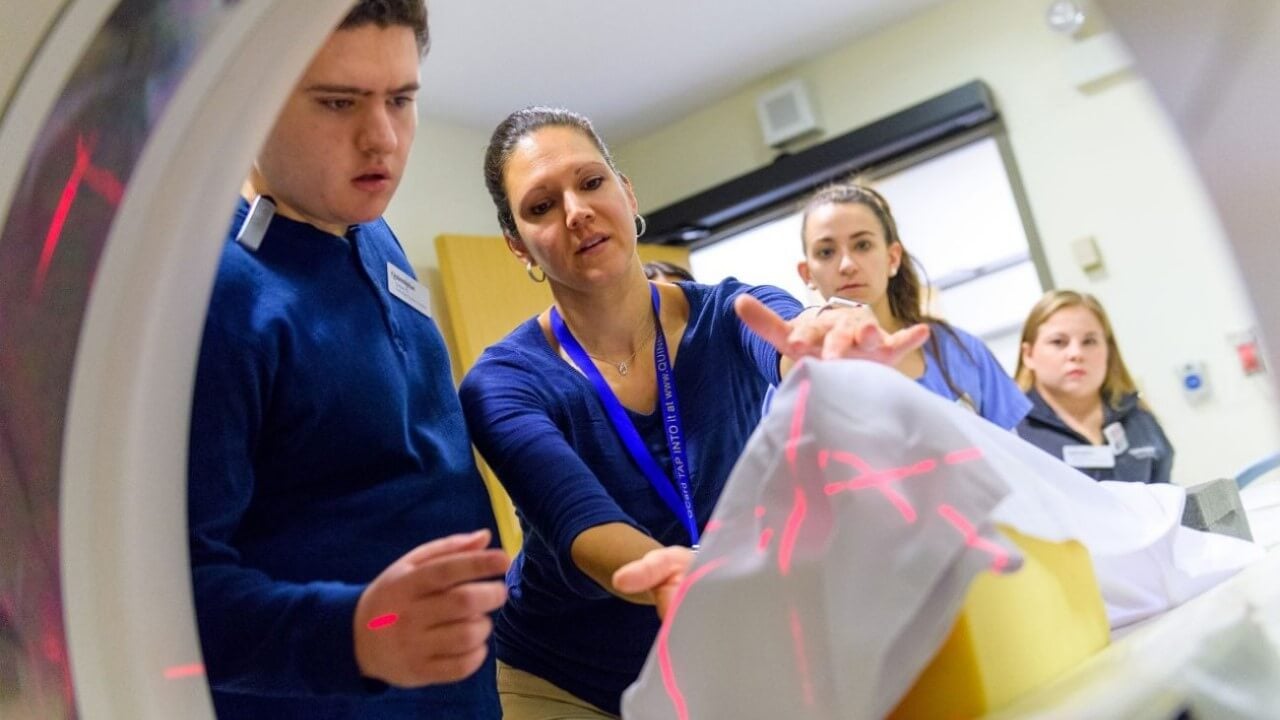
Aiden Hanley: Yup. So you kinda just have to handle business, and you're in. So that was really attractive to me, especially because it's only getting more and more competitive to get into physician assistant school. So I like the security that the entry level masters program offered me and then another thing is, because there were other programs like that, but Quinnipiac, in particular, I feel just had a really strong reputation in New England as being a school that produced high quality students and high quality healthcare providers. And they just also had, you know, I remember touring the Nort Haven campus for the first time, where the graduate School of Health Science is and, like, the facilities there were amazing. Like, they have real patient simulation labs. They have a cadaver lab, and all those experiences were things I wanted to get out of my healthcare education and that weren't always offered at other institutions.
Joel Vanner: So starting out in your undergraduate experience first, knowing that you have a seat safe for you in graduate school, there's a lot of work to get there and a lot of work once you're there, right? What was that transition like into a program like this? Were there faculty that guided you through it? What was kind of your orientation to the program and expectations that college would bring you?
Aiden Hanley: Yeah, so I think initially transferring in starting college from undergrad or from high school, I mean, starting from high school, it was definitely a transition, especially being in COVID. I never really, like, kind of built my educational fortitude. You know, I hadn't been challenged too much. So transitioning to college and taking a lot of those entry level science courses, it was the first time I was seeing a lot of that material. So there's definitely, like, a bit of a learning curve there. But the faculty is so great. Professor Seeger, who is the head of the program, of the ELMPA program. She's kind of like the program's mama bear. Like, she looks out for you. She immediately sets the expectation, and you start off a little afraid of her, but then you immediately love her and you only learn to love her even more as she kind of is like, your cheerleader the whole way. So she does a great job of acclimating you to the program. So many different faculty members are awesome. Every class, you'll find that there's, like, usually like three or four ELMPA students. And so kind of professors kind of know to look out for the ELMPA students, and they recognize, you know, their passion for medicine, their drive, to do well academically. So there's a lot of academic support for the ELMPA students, as well, which is really nice.
Joel Vanner: There's also residence life support. You were in the Healthcare LLC Living Learning Community you're freshman year, right?
Aiden Hanley: Yeah.
Joel Vanner: What was that experience like. Did you apply into it? What were some of the programs that took place there?
Aiden Hanley: Yeah. So yeah, I was in the Healthcare LLC my freshman year. That was a great experience. So I think I believe I did apply into it and was lucky to be accepted. And it was really nice one just living with like minded individuals who wanted a career in healthcare and had similar passions as me. So people that, you know, were altruistic and just wanted to help others, people that were taking similar classes as me, so we could talk about, you know, we had similar stresses and similar exams and-.
Joel Vanner: Probably study groups.
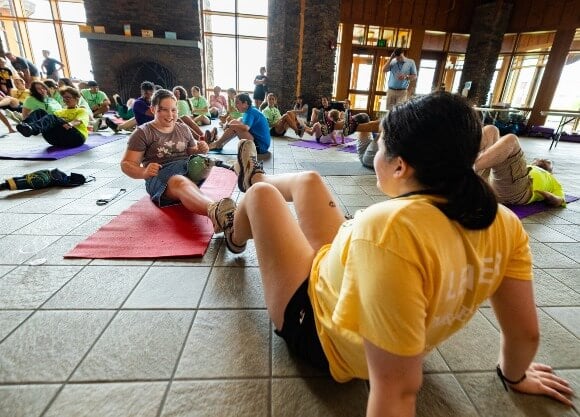
Aiden Hanley: Study groups, all that stuff. Yep. My RA at the time he was pre med, so he kind of knew the deal, as well, so I was able to go to him with any questions I had. And yeah, they had a lot of great like, programs that they offered. I remember they took us to the Hartford Healthcare SIM lab. They had Professor Seeger talk to us one day about just being interprofessional healthcare. It was also great, too, because while I was a pre PA student, you had other students that were pre med, pre PT, pre OT. So all these different health professions were coming in, I didn't know necessarily what OT did or what a PT did. But through these experiences and meeting all these people, I was able to kind of get a better grasp how all these occupations play a role in the healthcare team.
Joel Vanner: So that's awesome because students in the LLC maybe could discover another area of medicine or health care that they may want to study. You were pretty set where you were. One of the ways you gave back as an undergraduate student, you worked in the Office of Admissions, right? You were an admissions ambassador, and you also led the "Be a Bobcat for Day, " program, which is special and important to me. But tell our listeners what the "Be a Bobcat for a Day, " program is and if they're interested how they could take advantage of it.
Aiden Hanley: Sure. Yeah, so the Bobcat for day program is a program I had the opportunity to lead my senior year and it's a really cool opportunity that I wish was offered when I was applying to Quinnipiac. But essentially, it allows for students that are accepted into Quinnipiac to get paired with a student who goes to Quinnipiac that has a similar major as them, and they're able to shadow that patient for a day, attend the class that would likely fit into their curriculum of their major and just kind of tour around school. They get a free lunch for the day. And it really just gives a student an opportunity to kind of fully immerse themselves into Quinnipiac and kind of imagine themselves in that class taking that class or seeing themselves in the dorm or eating lunch in the dining. So it's a really cool opportunity, and it was really fun kind of seeing those connections form with students and perspective students and kind of really, like, allowing them to kind of explore the possibilities that are here at Quinnipiac.
Joel Vanner: So if I were to shadow you for a day, Aidan, tell me what a typical day in your life is like right now in graduate school in your first year of graduate school.
Aiden Hanley: Oh in graduate school, it wouldn't be very entertaining for you because it's a lot of sitting in lectures. Like, typically, like I had class this morning from 8:00 A.M. To, like, 2:00 P.M. And then, so it's a lot of basically the way didactici works is you're either studying, you're sleeping, or you're eating. It's kind of there's not Like there is time for other stuff, but it's a lot of just hitting the books, studying and taking that time to kind of have some self care and take care of yourself a little bit. But now, in terms of just a day in the life, it's mainly, you know, sitting in lectures, Mondays are our lab days. So we'll practice different clinical skills. So next week, I believe, we're doing IVs, so intravenous lines. So I'm really excited to be doing that. But we also do things like intubation, chest tubes, ultrasound, and all different types of stuff like that. So those are probably the most fun days to be a part of.
Joel Vanner: And you do that in the classroom before you go out and have internship experience where you're in an internship right now at Yale New Haven?
Aiden Hanley: Yep. So we have a pre clinical opportunities. So basically every student during their didactic year is assigned a preceptor at various hospitals around Connecticut. I have the opportunity to do my pre clinic at Yale New Haven Hospital on the orthopedic service in patient. So the idea is that, you know, your first year of PA school is primarily what's called didactic education. So you're in the classroom all day, you're studying, you're kind of learning how to be a PA, all the medicine behind it and whatnot. And then your second year is your clinical year where you are rotating through different specialties and essentially working as a PA with a preceptor, who is kind of looking over your shoulder, making sure that you're doing everything right, and you're applying what you learned. But with the pre clinical opportunity, it kind of gives you an opportunity to, acclimate to talking to patients, to doing physical exams. So predominantly I'm doing patient interviews, patient exams, listening to the heart and lung sounds, stuff like that, really just to get comfortable talking to and examining patients, so that by the time I go to my clinical rotations, that stuff isn't even that's like second nature to me. So I'm able to ask the questions I need to ask. I'm able to do the exams I need to do, and I'm really able to focus on the medicine. So it's a really cool opportunity. It's fun to be able to kind of re engage with patients because I've been locked away in a classroom for so long that it's fun to kind of remember why I'm doing this and get to work with patients again. So I'm having a lot of fun with it so far.
Joel Vanner: And we're lucky that we got to have you for an episode of this podcast. And it sounds very demanding, but the faculty you mentioned, Professor Seeger, earlier, is there to help you, your peers and an LLC and your graduate studies. I'm sure you have study circles, you know, whatever works out that way. What would you say? What advice would you give to students who maybe want to go into Quinnipiac's ELMPA program? How should they prepare themselves? What should they think about as they look to take a similar step in their careers?
Aiden Hanley: Sure. So I think students looking to go into the ELMPA program, I think the first thing I would do is just really make sure that healthcare in general is for you. You know, there's a lot of different sights and smells and.
Joel Vanner: So don't turn on the TV and watch Chicago Med.
Aiden Hanley: No yea.
Joel Vanner: Or one of those.
Aiden Hanley: A lot of those shows kind of glamorize it a little bit. It's a lot messier in real life. So I would say pursue clinical opportunities, shadowing opportunities, if EMT or first aid opportunities, if you can, just to try to get some idea of what it's like to be working in healthcare, I think is the first thought because this is a six year commitment, it's a big commitment, and you don't want to take that lightly. And then the second thing, I think is just you know, whether it's medicine or not, as you're kind of going through your education, pursue those things that are exciting but also a little scary. You know, I think the places that you grow the most are when you don't are when you feel out of your comfort zone. And it's okay. Like, this is the time to fail to mess up to make mistakes because that's where you're learning the most. So I would tell students to just say yes to as many opportunities as you can and to see where they take you. And if you know you have a passion for healthcare and you're willing to kind of put yourself out there and learn, I think that's really all you need to be successful.
Joel Vanner: Well, Aidan, I appreciate you giving us your time today for this episode of the podcast. Wish you luck and thanks for sharing your insights and experiences.
Aiden Hanley: Yeah, thanks so much for having me.
Joel Vanner: If you enjoy today's episode, be sure to subscribe and share and find other episodes of Who Are You on Apple Spotify and YouTube podcasts. Until next time when I ask my next guest, who are you? I'm Joel Vanner. Bye for now.
















Quinnipiac Today is your source for what's happening throughout #BobcatNation. Sign up for our weekly email newsletter to be among the first to know about news, events and members of our Bobcat family who are making a positive difference in our world.
Sign Up Now