



Netter students explore the impact of camp through innovative research
August 27, 2026
August 27, 2026
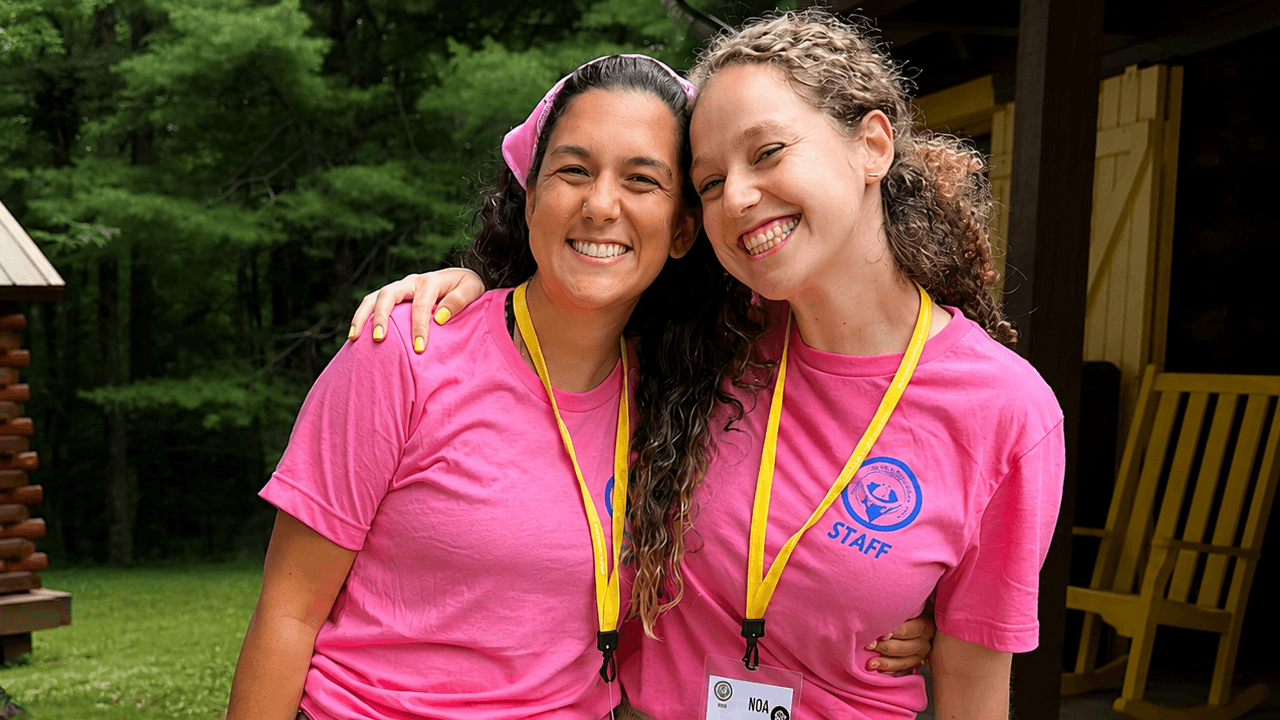
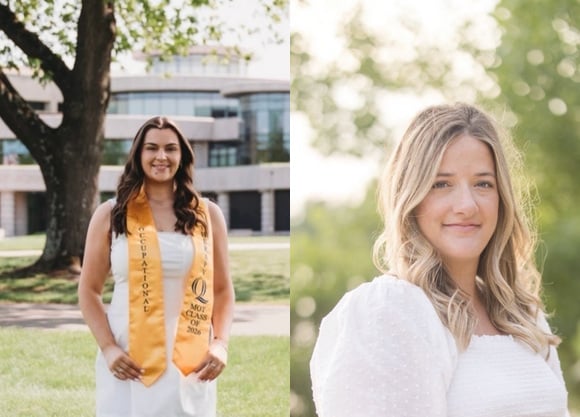
Cortes and Marx's capstone project used an innovative qualitative research method called photovoice, which combines photography and focus group discussions to help participants reflect on and share their experiences.
“We were both interested in the psychosocial aspect of survivorship for children with cancer, especially adolescents," Cortes mentioned. “When I heard about Hole in the Wall Gang Camp, I was so excited that children with all different complex medical conditions had a place to go and just be themselves.”
For many children and adolescents living with serious illnesses, the challenges extend beyond hospital visits and medical treatments. Social isolation, missed school experiences and feeling different from their peers can have lasting effects on psychosocial well being.
Founded to serve children with serious illnesses and their families, The Hole in the Wall Gang Camp offers a traditional camp experience adapted to meet campers medical needs. Cortes and Marx wanted to better understand the role belonging plays in those experiences.
"Many previous studies have focused on the importance of medical specialty camps in the overall healing of young people experiencing chronic illness, but we did not find any studies that looked at sense of belonging directly," said Marx.
The project was made possible through guidance of Ann Gillard, research director for SeriousFun Children’s Network, whom the students connected through Netter.
"Ann Gillard is the whole reason the project succeeded," Cortes said. "Our experience would not be the same without her."
To gather data, participants were given a Polaroid camera and asked to capture images that reflected their experiences at camp. The photographs later served as prompts during focus group discussions.
Both researchers found the approach especially effective with adolescents.
"I think that using photography as a tool to foster meaningful discussions amongst the adolescent participants was highly effective because photography is a medium that they are already excited about," Marx mentioned. "It's much easier to use a photo as an access point to discuss more intense or personal topics rather than asking questions about those things directly."
The photographs and conversations revealed a common theme that camp creates a space where young people can be themselves without being defined by illness.
"It was really powerful to hear the participants share that camp is one of the few places where they're able to truly be themselves, separate from their illnesses," Marx said. "At camp, their differences are embraced and celebrated."
For Cortes, one of the most meaningful findings was centered on connection through vulnerability.
"Junior staff members were truly able to bond, not only over their illnesses or their siblings' health, but also over regular teen issues, like sports tryouts or struggling grades," she said. "By sharing their experiences, others began to open up as well."
Their findings reinforce the importance of medical specialty camps in supporting psychosocial health, an aspect of care that can sometimes receive less attention than medical treatment itself.
"For so many of these kids, they spend time in and out of the hospital, which often means missing school," Cortes said. "Beyond falling behind academically, they often fall behind socially."
Marx said camps help address that gap by creating meaningful communities.
"The biggest thing that camps like Hole in the Wall do is connect children and young people affected by chronic illness with one another," she said. "In doing so, they help foster community."
The experience also deepened both students' understanding of patient care beyond the clinical setting. Cortes, who hopes to become a pediatric oncologist, said the project strengthened her commitment to supporting patients throughout their lives.
The project also reflected lessons learned throughout their medical education. Cortes credited faculty mentors, including Dr. Miklos Fogarasi, for encouraging students to see patients as people first.
"He always encouraged me to see patients for who they are outside of the clinic and the preservation of normalcy as best as possible," she said.
Marx said Netter’s emphasis on well being influenced her perspective as well. During medical school, she served as a peer advocate, helping organize wellness initiatives and connect classmates with support resources.
Both students hope their findings encourage other medical specialty camps to continue investigating programs that foster connection and belonging. They also believe photovoice could be adopted more broadly as a way to engage young people in meaningful reflection.
"I hope that our findings continue to emphasize the importance of medical specialty camping for young people living with chronic illnesses," Marx said. "Additionally, I hope that other camps consider using photovoice in their programming as a way of fostering meaningful reflection and discussion amongst their camp community and alumni."
For Cortes, the project provided a powerful reminder of why she chose medicine.
"One of our study participants told us to make sure her story was heard," Cortes said. "I hope to carry my patients' stories with me and be reminded that allowing kids to be kids is why I continue in medicine."

Quinnipiac Today is your source for what's happening throughout #BobcatNation. Sign up for our weekly email newsletter to be among the first to know about news, events and members of our Bobcat family who are making a positive difference in our world.
Sign Up Now