



Quinnipiac men’s lacrosse alumnus launches an app to support the improvement of all lacrosse players
July 22, 2026
July 22, 2026
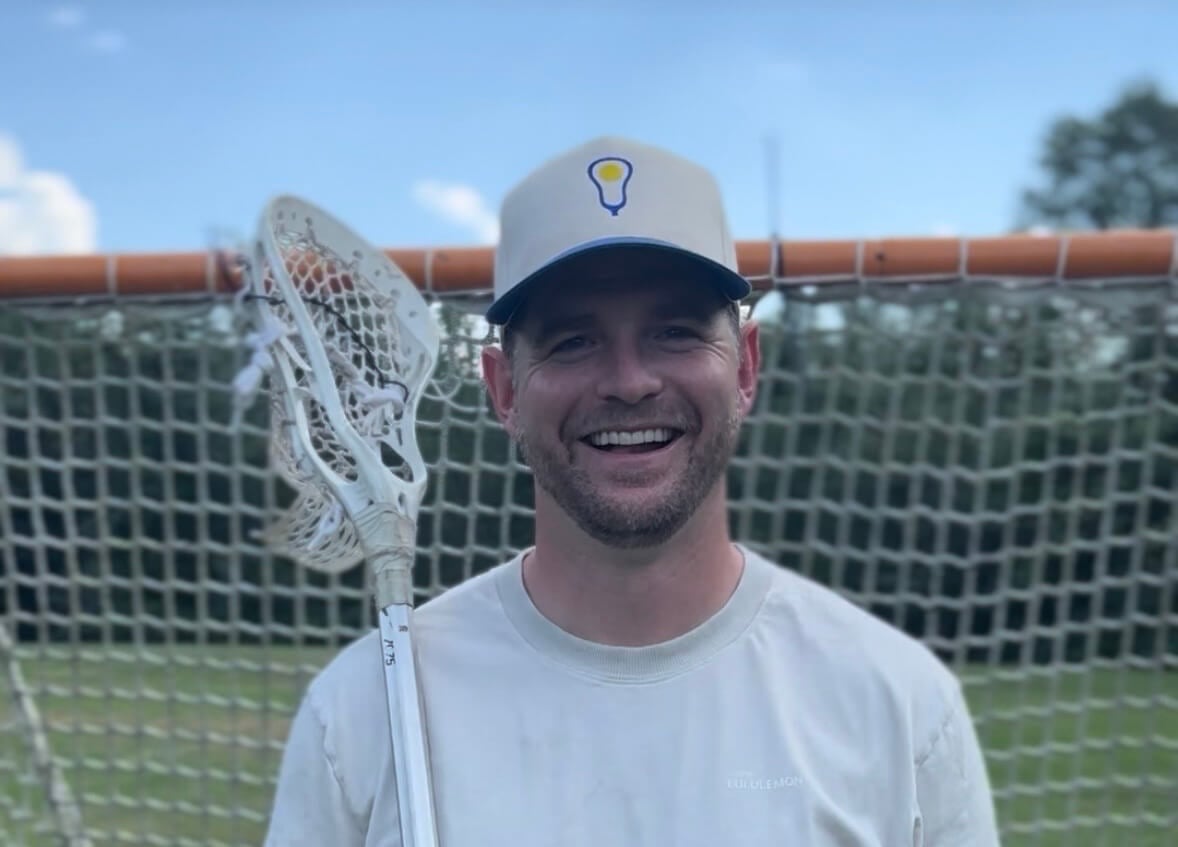
“Last March, I was venting to my wife about how little technology there was for lacrosse compared to other sports,” said Graves. “I was using a golf swing analyzer at the time and thought, 'Imagine if something like this existed for lacrosse.' I started building it as a fun side project, but quickly realized it had the potential to become something much bigger, so I went all in.”
This all-in mentality helped Graves navigate the challenges of app development. He noted the importance of making the technology useful for men’s and women’s players at all skill levels.
As a former men’s college lacrosse player, Graves is proficient in men’s lacrosse shooting mechanics. He said he worked diligently to make the women’s side of the app equal to the men’s.
“I put in a lot of work to get the women's side right. I leaned heavily on film study, coaching literature and feedback from women's players during testing,” Graves said. “Playing at a high level myself gave me a deep foundation for understanding shooting mechanics. My coaches harped on technique constantly; it was something we worked on every single day. But I had to be intentional about not letting my own experience bias how I built the women's side of the app. Getting that right was a priority.”
Men’s and women’s lacrosse are very different, requiring Graves to build a separate set of metrics for the app, he said.
“The pockets are different, the mechanics are different, so the things we measure, like elbow height, torso rotation, wrist snap, even the follow-through have different benchmarks depending on whether you're analyzing a men's or women's shot,” said Graves.
To make the app accessible for all skill levels, Graves pulled from his own childhood lacrosse experiences.
“I thought about my own experience growing up: my parents didn't play lacrosse, so I was on YouTube constantly, just trying to mimic what I saw,” said Graves. “I wanted parents who know nothing about the sport to be able to open the app with their kid and understand the feedback.”
The interface allows players to navigate to their skill level; the technology takes over from there, Graves said.
“When you set up your profile, you choose your level, youth, high school, or college and above,” Graves explained. “Based on the chosen tier, every metric and threshold in the app is calibrated accordingly. A youth player isn't being held to the same elbow height or torso rotation standard as a college player. The feedback language adjusts too, so it means something to whoever is reading it. Making that feel seamless from a programming standpoint was complex, but it was non-negotiable for me from day one.”
Graves’ app took a year to develop. He sought feedback constantly to get a product that was app-store ready.
“The first version gave users static images of their mechanics, basically freeze-frame snapshots with overlaid pose analysis,” said Graves. “It was functional, but I knew it wasn't enough. I brought that early version to the Boston College High School boy's lacrosse team to get real feedback from real players, and that was a turning point. I learned so much: what players wanted to see, how they interpreted the feedback, what confused them. That sent me back to the drawing board. The biggest leap was building out a full video playback experience where players can watch their shot back with joint highlights, frame-by-frame breakdowns, and instant feedback tied to specific moments.”
Graves emphasized that he valued feedback throughout the entire app development process and still seeks critiques now that the app is live.
“When players tell me something isn't clicking, whether it's how the feedback is worded, how a metric is displayed or something they wish the app did differently, I take it seriously and find a way to build it in,” Graves said.
Graves met his wife, Michaela Graves ‘13, at Quinnipiac and she was fundamental to the app’s development.
“Michaela also played lacrosse for the Bobcats, and Quinnipiac is where we met. She has been with me every step of the way in developing and launching this app,” said Graves. “Not only has she supported me through going back to school and changing careers, but she has also been instrumental in getting LaxCoach AI off the ground. From helping shape the vision to supporting the countless hours required to build it, her impact is woven into every part of this journey. Quite simply, none of this would have been possible without her.”
Graves also credits another member of his lifelong Bobcat community, his wife’s former teammate, Kearney Sneath ’14, with his brand’s success.
"When it came time to build the LaxCoach AI brand, there was no one I trusted more,” Graves said about Sneath. “She developed everything from the colors and fonts to the logo. Because she played lacrosse at Quinnipiac, she understood instinctively how the brand should feel and be represented. Having someone in my corner who gets both the sport and the vision made all the difference.”
Graves said he feels honored to give back to the sport that brought him so much joy.
“I just want to say how much it means to have LaxCoach AI covered by Quinnipiac Today. Quinnipiac is where I fell in love with the sport at a high level, and the fact that something I built is finding its way back to that community is something I am really proud of,” Graves said. “Lacrosse gave me so much, and if this app can give even one player a tool to develop their game that they wouldn't have had otherwise, that is everything to me. We are just getting started and I can't wait for people to see what is coming next.”

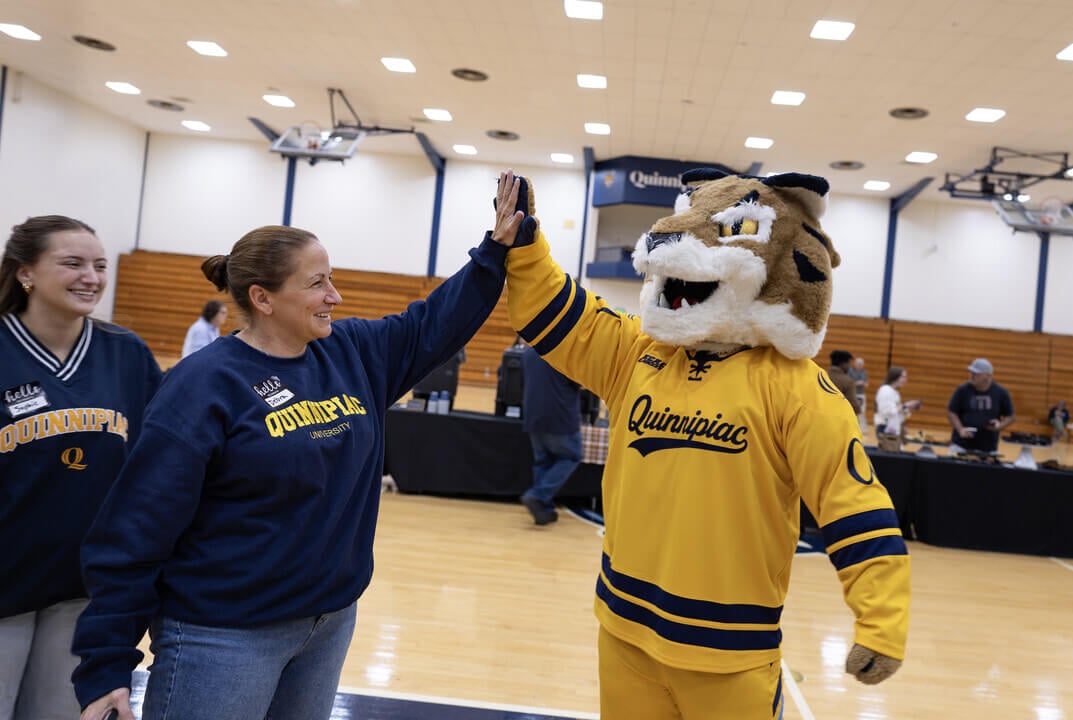
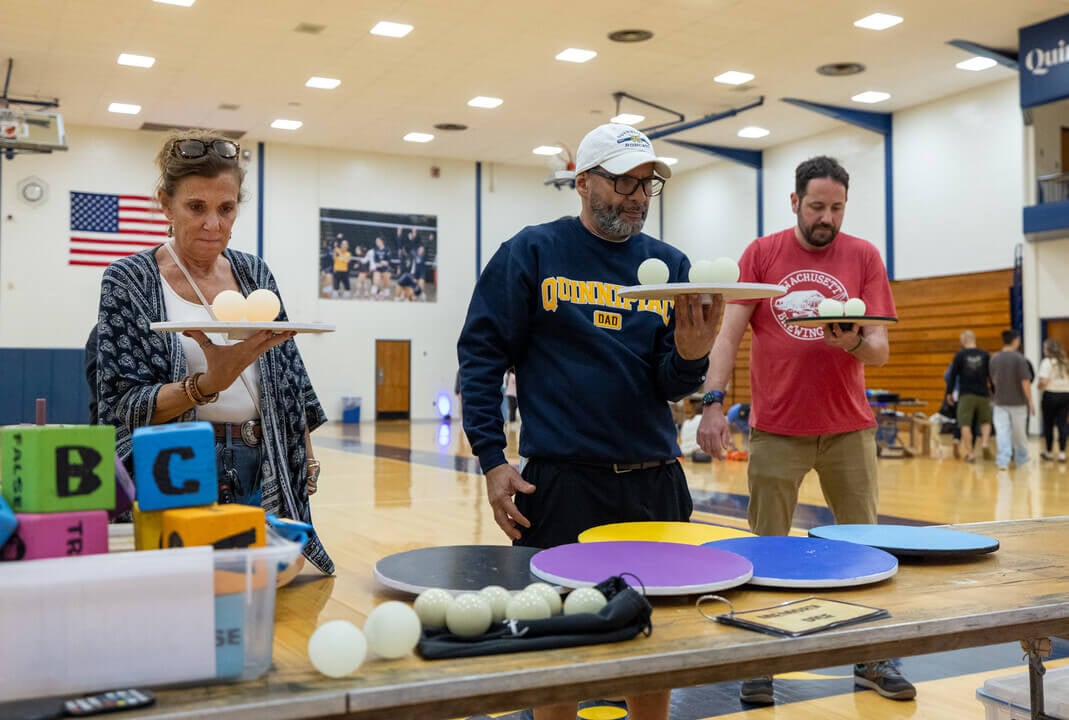
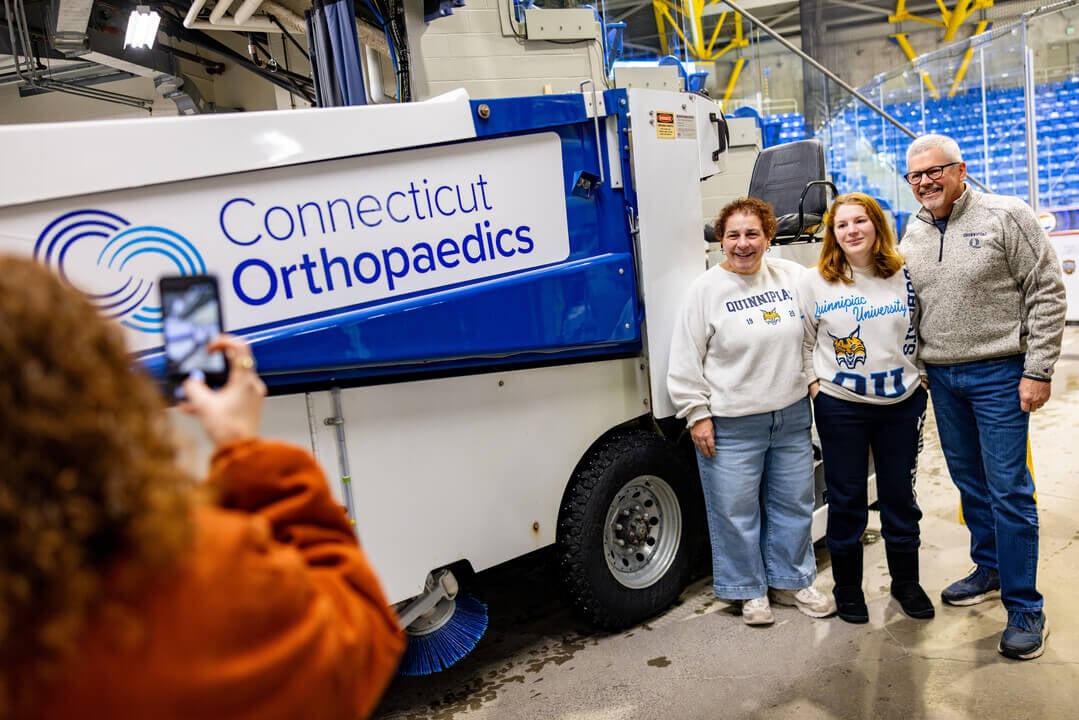
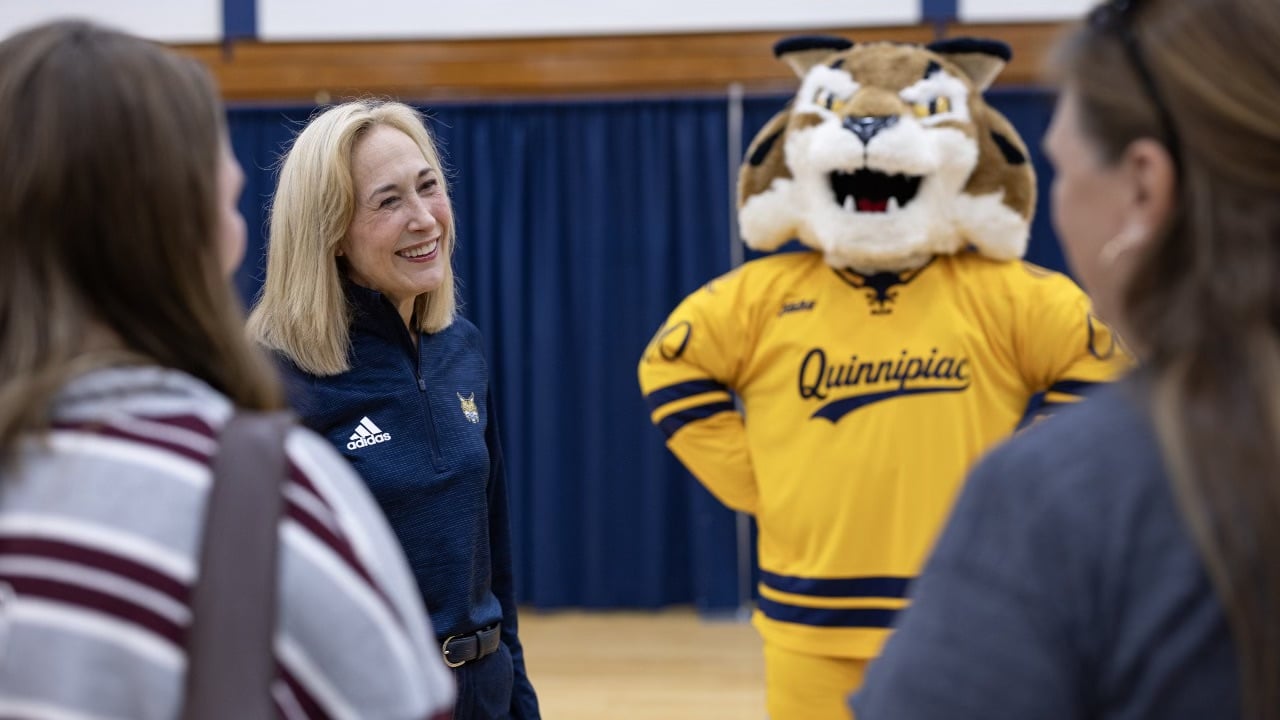
Want to learn what Quinnipiac is all about? We invite you to join us at an Open House, where our students, faculty and staff will introduce you to life as a Bobcat through a variety of sessions and tours.





















Quinnipiac Today is your source for what's happening throughout #BobcatNation. Sign up for our weekly email newsletter to be among the first to know about news, events and members of our Bobcat family who are making a positive difference in our world.
Sign Up Now