



The cost of educating Connecticut’s physicians is rising, but the cost of losing them to other states is even higher
November 18, 2026
November 18, 2026
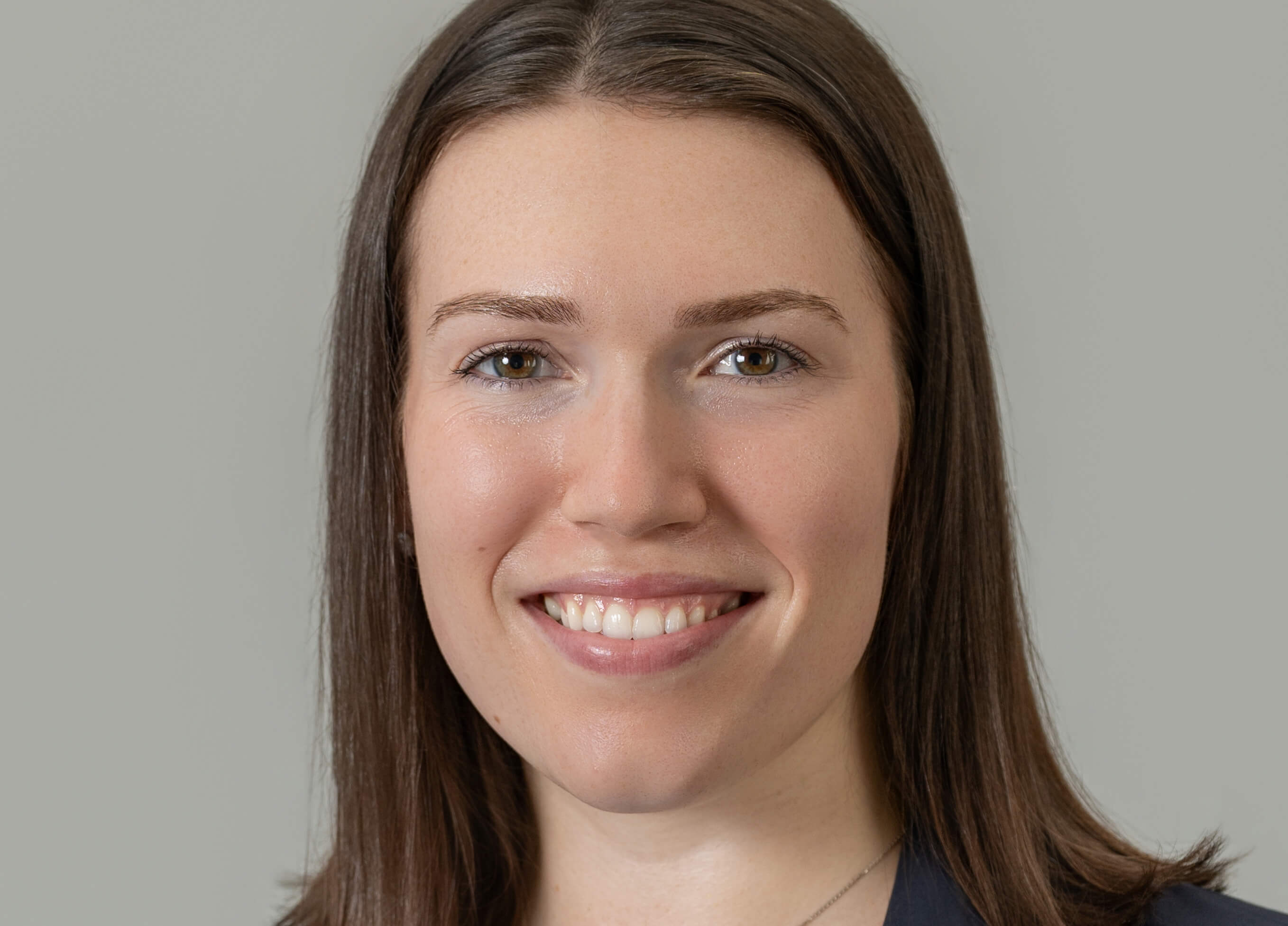
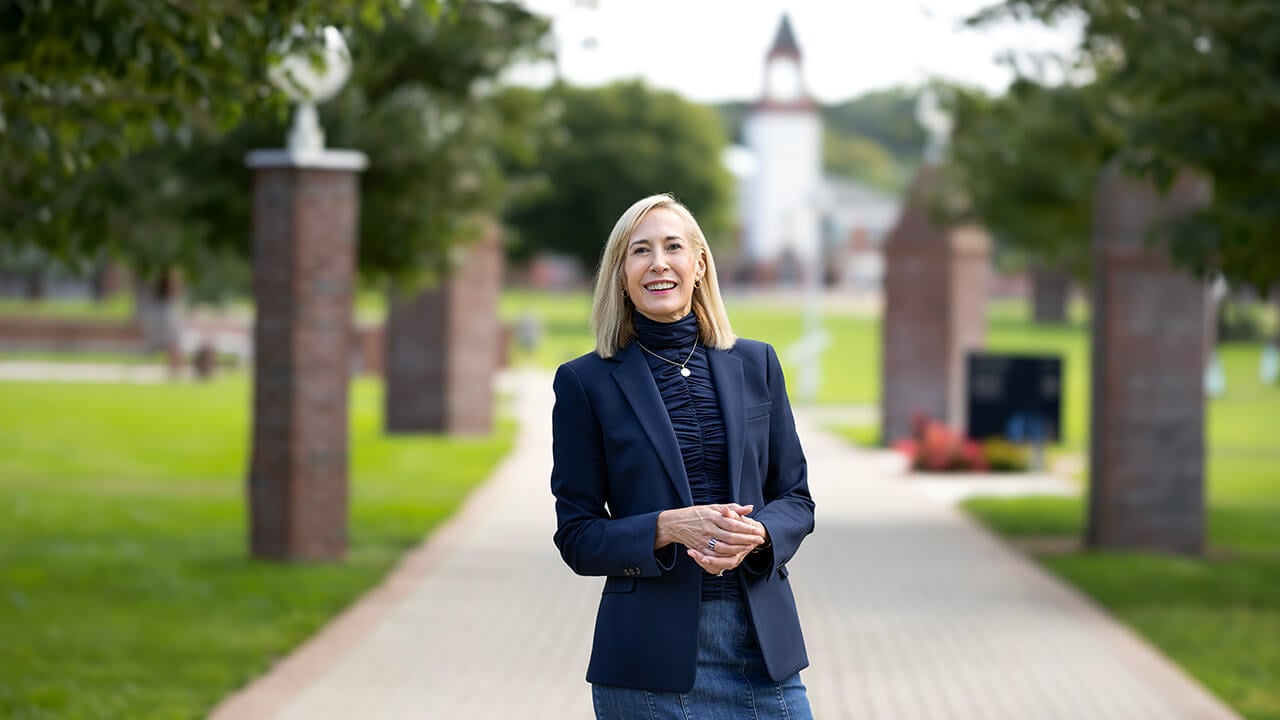
“I associated Connecticut with going to my grandparents' house. They lived in Shelton,” Marra said Tuesday. “My dad grew up in Westport. I have aunts and uncles who live in West Haven and Seymour and all over. Somehow, I just always knew I would come to Connecticut.”
Marra arrived at the Frank H. Netter MD School of Medicine in August 2023. Throughout her nearly four years, she has learned alongside classmates, shared study sessions with ink-stained overnights and found the deepest purpose of her life.
In May, Marra will graduate from Quinnipiac Netter. After her residency, she will begin a six-year commitment with the U.S. Department of Veterans Affairs through its Health Professions Scholarship Program. Perhaps more importantly, she will graduate with no student loan debt.
But for many of Marra’s peers in North Haven, staying in Connecticut to practice is growing increasingly difficult, if not downright impossible, a position Marra explored Nov. 4 in her opinion piece in the Hartford Courant.
“From my perspective as a student, the idea of school for service is something that is very near and dear to my heart,” Marra said. “Like I mentioned in the piece, I will be returning to the VA, so I feel very lucky that I was able to go to medical school without the weight of the significant medical debt that some of my classmates are facing.
“But these are my friends and classmates. We’ve put down roots here. We're learning medicine in these communities, and it’s been a really amazing experience for us,” Marra said. “We know how great Connecticut is and what it has to offer us as future physicians, especially in the state’s drier areas where there is a shortage of physicians. I think financial support is a huge, huge factor to keeping people here.”
Some aspiring doctors will graduate with student loan debt approaching $400,000 — the cost of a single-family home in some parts of the state. Although certain specialties are compensated at higher levels than others, there is a particular need in Connecticut for primary care physicians to treat those residents living in underserved rural and urban communities.
Overall, nearly 20% of state residents live in Health Professional Shortage Areas. This federal designation means there is less than one primary care physician for every 3,500 residents in a particular community.
“There needs to be some sort of financial support when it comes to career paths like primary care and family medicine,” Marra said. “From my perspective and the perspective of my classmates, it feels like we’re in a vicious cycle right now where physicians in those roles aren’t adequately compensated for the work they’re doing.
“The people who do go into those fields — where the need is so great — they end up carrying a higher debt load and a higher workload because there are fewer of them,” she said. “Because of that, it’s harder to find a primary care provider because they’re extremely busy. And, even if you do find one, it can take months to get an appointment.”
And yet, the state’s physician shortage extends beyond the dearth of primary care physicians and family physicians, Marra said. What’s more, some students may feel intense pressure to pursue higher-paying specialties to help pay off their medical debt.
“Connecticut already struggles to keep the physicians it trains. According to the Association of American Medical Colleges, the state ranks 43rd nationally for retaining doctors who complete residency here. Just 46.7% remain to practice, compared with 75.7% in California,” Marra wrote in her op-ed. “Connecticut also trails Vermont, New York, Massachusetts, and Maine. The state cannot afford to lose so many of the physicians who train here while its residents struggle to find care.”
In May, the state’s Physician Recruitment and Retention Working Group recommended financial assistance for medical students who commit to serving underserved communities in Connecticut after training. Marra said the proposal encourages students to enter high-need specialties while creating an incentive to remain in Connecticut and practice where physicians are needed most.
The group’s first priority recommendation is to award up to 15 scholarships per academic year with a maximum amount of $75,000 per year “with an obligation to practice primary care in a medically underserved area in the state of Connecticut.”
For Marra, it’s a good start, but following through with the plan is critical.
“It's encouraging to me that it's being recognized as an issue. I think that's obviously the first step,” she said. “What we really need — and what we’re really asking for — is more support so that we can really address this issue. This isn’t just a Quinnipiac issue. This is a statewide issue.
“The amount of traction that it’s starting to get feels very promising to me. So, in that way, I'm very optimistic. It feels like we have real energy behind this movement,” Marra said. “My hope is that it will be something that Quinnipiac and Connecticut as a whole — with the state’s other medical schools — will continue working toward.”
The issue and the moment have become personal for Marra. It’s why she wrote the op-ed piece, after all.
“I'm really passionate about staying in Connecticut and having my roots here and practicing in the communities where I’ve already been working in as a medical student,” she said. “This was my opportunity to kind of voice the things I had been feeling.”





















Quinnipiac Today is your source for what's happening throughout #BobcatNation. Sign up for our weekly email newsletter to be among the first to know about news, events and members of our Bobcat family who are making a positive difference in our world.
Sign Up Now